


Design and Functionality of Modern Anti Fatigue Agent Solutions from DongHai
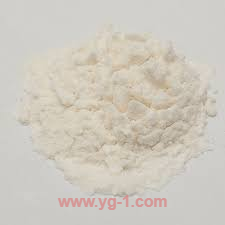
In rubber compounding environments where heat and shear forces are constantly present, formulators often turn to an Antiscorch agent as a practical safeguard that keeps premature cross-linking under control during mixing and shaping stages. This protective role becomes especially valuable when compounds must remain workable through extended processing windows without sacrificing final cured properties. Selecting the right material begins with understanding its composition and compatibility profile rather than relying solely on brand reputation.
From a materials standpoint, these agents are typically organic compounds designed to interact selectively with accelerator systems. They remain stable under ambient storage yet respond predictably once elevated temperatures activate the vulcanization chemistry. Compatibility with natural rubber, styrene-butadiene, nitrile and other common elastomers is a primary consideration, ensuring the additive disperses evenly without introducing unwanted side reactions or surface defects. Careful attention to purity and particle characteristics further supports uniform incorporation, reducing the risk of localized overheating or inconsistent batch behavior.
When approaching the selection process, processors benefit from matching the agent to the specific accelerator package and processing method in use. Open-mill mixing, internal mixing and extrusion each impose different thermal profiles, so the chosen additive should provide adequate delay without excessively extending cure times at the final molding stage. Evaluating supplier technical support and batch-to-batch consistency helps minimize variability across production runs. Observing how the material behaves in small-scale trials before full-scale adoption remains a reliable way to confirm suitability for a given formulation.
Functionally, the technology centers on temporary inhibition of the cross-linking reaction. The agent interferes with early formation of reactive intermediates, thereby extending the safe processing window. Once the compound reaches the intended curing temperature, this inhibitory effect diminishes and normal vulcanization proceeds. This delayed-action mechanism preserves the designed network density and physical properties of the finished rubber, supporting consistent hardness, elasticity and aging resistance. Modern versions emphasize clean release behavior so residual effects on the vulcanizate remain minimal.
User experience plays a noticeable role in daily plant operations. Operators appreciate materials that flow freely from packaging, disperse rapidly during mixing and leave little residue on equipment. Reduced risk of scorch-related scrap translates directly into fewer interruptions and lower material waste. Clear labeling and straightforward handling instructions further improve confidence on the production floor, especially when multiple shifts and different skill levels are involved. Feedback from compounders often highlights the value of products that maintain performance even under fluctuating humidity or slight variations in mixing intensity.
Design and appearance considerations extend beyond the chemical itself to packaging and presentation. Stable, well-sealed containers that resist moisture ingress protect product integrity during storage and transport. Visual cues such as consistent color and free-flowing powder form help quality-control teams quickly verify material condition upon receipt. Thoughtful package sizes aligned with typical batch volumes reduce handling steps and minimize leftover material. These practical design elements contribute to cleaner workspaces and smoother inventory management.
Integrating such an additive into existing workflows is most successful when the entire processing chain is considered. From raw-material storage through final molding, the protective delay offered by a well-chosen agent supports higher processing speeds and more flexible scheduling. Plants that previously faced frequent scorch incidents often report improved throughput once the correct material is identified and properly incorporated. Collaboration with experienced suppliers can accelerate this learning curve by providing formulation guidance tailored to specific equipment and end-use requirements.
The yg-1 line reflects focused development aimed at balancing processing safety with finished-product quality. Continuous refinement of synthesis and purification methods has helped maintain reliable performance across diverse rubber systems.
As processors continue refining their approaches to thermal management and compound stability, practical resources such as those available at https://www.yg-1.com/ offer additional perspective on how an Antiscorch agent fits into broader formulation strategies developed by Taizhou Huangyan Donghai Chemical Co., Ltd.

 English
 Arabic
 French
 Spanish
 Portuguese
 Deutsch
 Dutch
 Italiano
 Russian
 Romaian
 Portuguese (Brazil)
 Greek