


How Quality Switchgear Manufacturing Helps Reduce Electrical System Risks
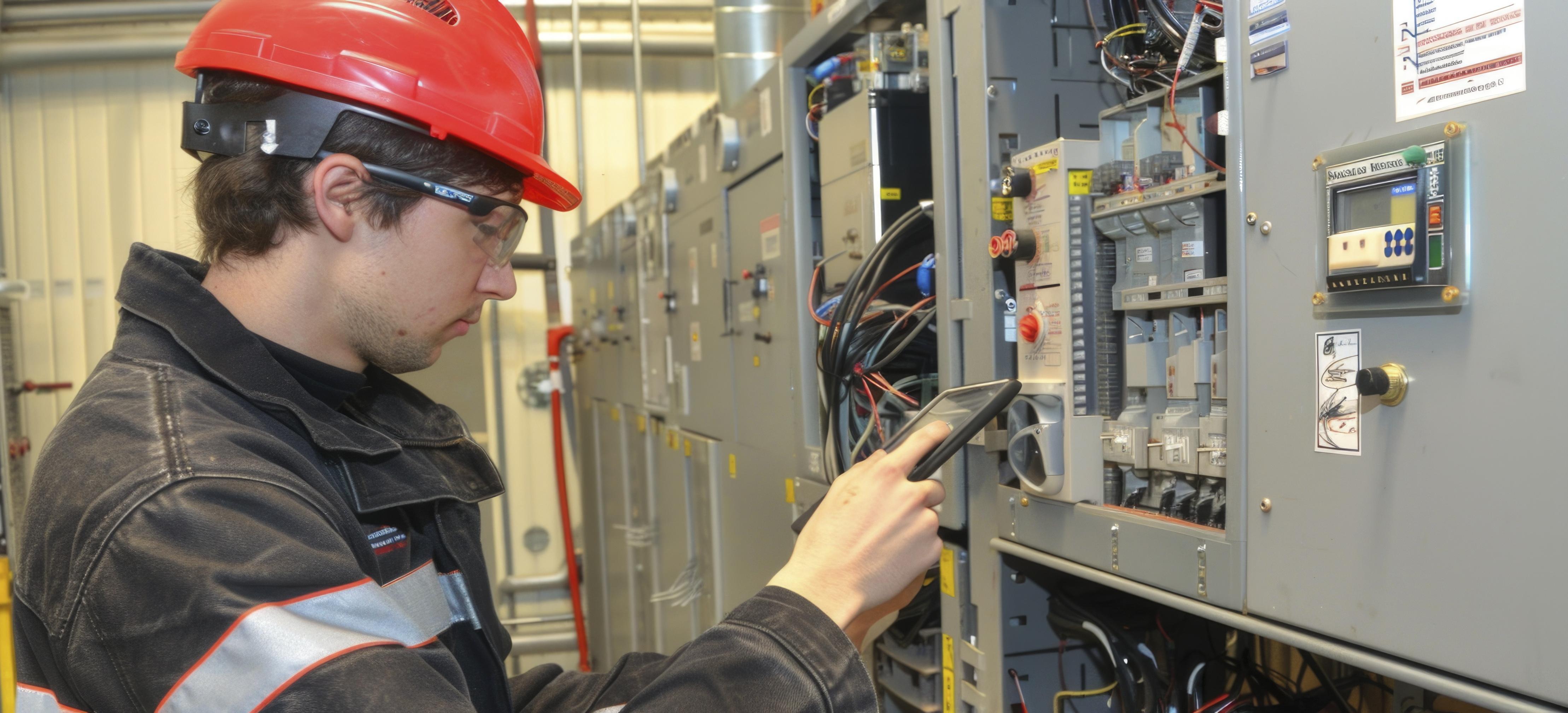
An electrical fault can affect much more than the equipment directly connected to it. In an industrial facility, a problem inside one distribution panel may interrupt production, damage connected machinery, or create safety concerns for maintenance personnel. These risks become more significant when electrical systems handle heavy loads or operate for extended hours.
The quality of switchgear plays an important role in controlling such situations. Properly selected components, accurate panel assembly, suitable protection arrangements, and thorough testing help electrical systems operate safely under different conditions. Understanding how these elements work together allows businesses to make better decisions when planning new installations or upgrading existing infrastructure.
How Manufacturing Quality Influences Electrical Safety
Switchgear controls and protects electrical circuits by allowing operators to switch, isolate, and manage power distribution. It commonly includes circuit breakers, protective devices, busbars, switches, and control components. Each part must perform its intended function within the overall electrical arrangement.
Poor assembly or unsuitable component selection can introduce problems that may not become visible immediately. Loose connections, incorrect wiring, inadequate clearances, and unsuitable protective devices can contribute to overheating, unexpected tripping, or equipment failure.
Manufacturing quality is therefore not limited to the materials used. It also depends on engineering calculations, assembly practices, inspection procedures, and whether the finished panel matches the approved design.
Component Selection Must Match the Application
Electrical panels operate under different load conditions. A panel serving lighting circuits has different requirements from one supplying industrial motors or production machinery. Selecting components without considering these differences can affect both safety and operating performance.
Circuit Breakers and Protection Devices
Circuit breakers protect electrical circuits by interrupting current when specified fault or overload conditions occur. Their ratings must suit the system voltage, expected current, and available fault level.
An incorrectly selected breaker may fail to provide the intended protection or interrupt power unnecessarily. Engineers should also review coordination between protective devices so that a fault in one section does not cause avoidable interruption across the entire installation.
Busbars and Electrical Connections
Busbars distribute current between incoming and outgoing circuits. Their material, dimensions, support arrangement, and connection quality must be appropriate for the required electrical capacity.
Connections deserve particular attention because loose or poorly tightened joints can create resistance and heat. Correct assembly, suitable tightening practices, and inspection help reduce the possibility of connection-related failures.
Panel Design Should Reflect Actual Operating Conditions
A well-designed panel considers more than electrical ratings. Engineers must account for the installation location, ventilation, ambient temperature, available space, cable entry, and access for maintenance.
For example, a panel installed in a dusty industrial environment may require an enclosure with an appropriate degree of protection. A crowded panel room may also create difficulties for technicians if equipment is positioned without sufficient working clearance.
The internal arrangement should make circuit identification and inspection straightforward. Clear labels, organized wiring, and accessible components reduce the chance of errors during troubleshooting and servicing.
Why Testing Matters Before Installation
A completed panel should undergo appropriate inspections and tests before it enters service. These checks help identify assembly defects and confirm that the equipment corresponds with the approved drawings and project requirements.
A typical quality-check process may include:
-
Visual inspection: Review the enclosure, component installation, labels, wiring routes, and physical condition.
-
Wiring verification: Check connections against approved electrical drawings and confirm that circuits are correctly identified.
-
Insulation testing: Assess insulation condition using suitable procedures and test equipment.
-
Functional checks: Verify control circuits, switching operations, indications, and interlocks where applicable.
-
Documentation review: Record inspection findings, test results, and any corrective work required before handover.
The exact tests depend on the panel type, project specifications, and applicable standards. Testing should be carried out by competent personnel using appropriate procedures rather than relying on a general visual check.
Manufacturing Expertise and Project Requirements
When selecting a Manufacturer of Electrical Switchgear, businesses should examine how the provider approaches engineering, component selection, assembly, and quality control. A low initial quotation does not necessarily represent the best value if the proposed panel does not suit the installation or requires frequent modifications.
The technical proposal should clearly identify panel ratings, protective devices, enclosure details, drawings, testing responsibilities, and project scope. Buyers should also clarify whether the provider can support installation, commissioning, upgrades, and maintenance when required.
For businesses comparing providers, the label Top Switchgear Company in UAE should not be the deciding factor on its own. It is more useful to assess documented capabilities, relevant project experience, technical support, and the ability to meet the actual requirements of the electrical system.
Reducing Risks Through Proper Maintenance
Even a well-manufactured panel needs regular attention. Electrical connections can deteriorate, protective components can age, and dust or heat can affect equipment over time. Without inspection, these conditions may remain unnoticed until they cause a fault or interruption.
Preventive maintenance helps identify developing issues before they become serious. Depending on the equipment, inspections may cover connection conditions, signs of overheating, protective devices, wiring, enclosure condition, and the operation of control circuits.
Voltronix Switchgear provides maintenance services that include inspections, preventive care, repairs, and maintenance arrangements for electrical distribution systems. Its service scope also covers distribution board audits, upgrade design, retrofit work, testing, and commissioning. These activities can help businesses address equipment condition and maintain the performance of existing installations.
The Role of Automation in Controlling Operational Risks
Some electrical risks are connected to how equipment is operated rather than the distribution panel alone. Automation systems can help manage operating sequences, monitor equipment status, and provide control functions suited to industrial processes.
PLC and HMI systems, VFD panels, and soft starter panels are examples of technologies used in industrial control applications. A VFD can regulate motor speed according to process requirements, while a soft starter helps manage the electrical and mechanical effects of motor startup.
Control systems must be designed around the machinery and process they serve. Incorrect interlocks, unsuitable settings, or poorly integrated signals can create operational problems. Proper configuration and functional testing help ensure that automated equipment responds as intended.
Making a Better Decision for Long-Term Reliability
Before approving an electrical panel, project owners should review the technical drawings, component specifications, protection arrangements, testing plan, and maintenance requirements. They should also confirm that the proposed equipment matches the installation environment and expected operating loads.
Voltronix Switchgear operates from Dubai Investment Park 02 and provides low-voltage panel solutions alongside switchgear, automation, and maintenance services. Its stated focus includes designing, manufacturing, and supplying electrical switchgear to meet customer requirements and applicable technical specifications.
Conclusion
Reducing electrical risks begins with sound engineering and continues through manufacturing, testing, installation, and maintenance. Every component and connection contributes to the performance of the finished system.
Businesses that assess these factors before purchasing equipment can make more informed decisions and reduce avoidable electrical problems. A carefully planned and properly maintained installation supports safer operation and more dependable power distribution.
 Portuguese
 English
 Arabic
 French
 Spanish
 Deutsch
 Turkish
 Dutch
 Italiano
 Russian
 Romaian
 Portuguese (Brazil)
 Greek