


Hair Transplant Surgery in Jaipur: What Patients Should Know
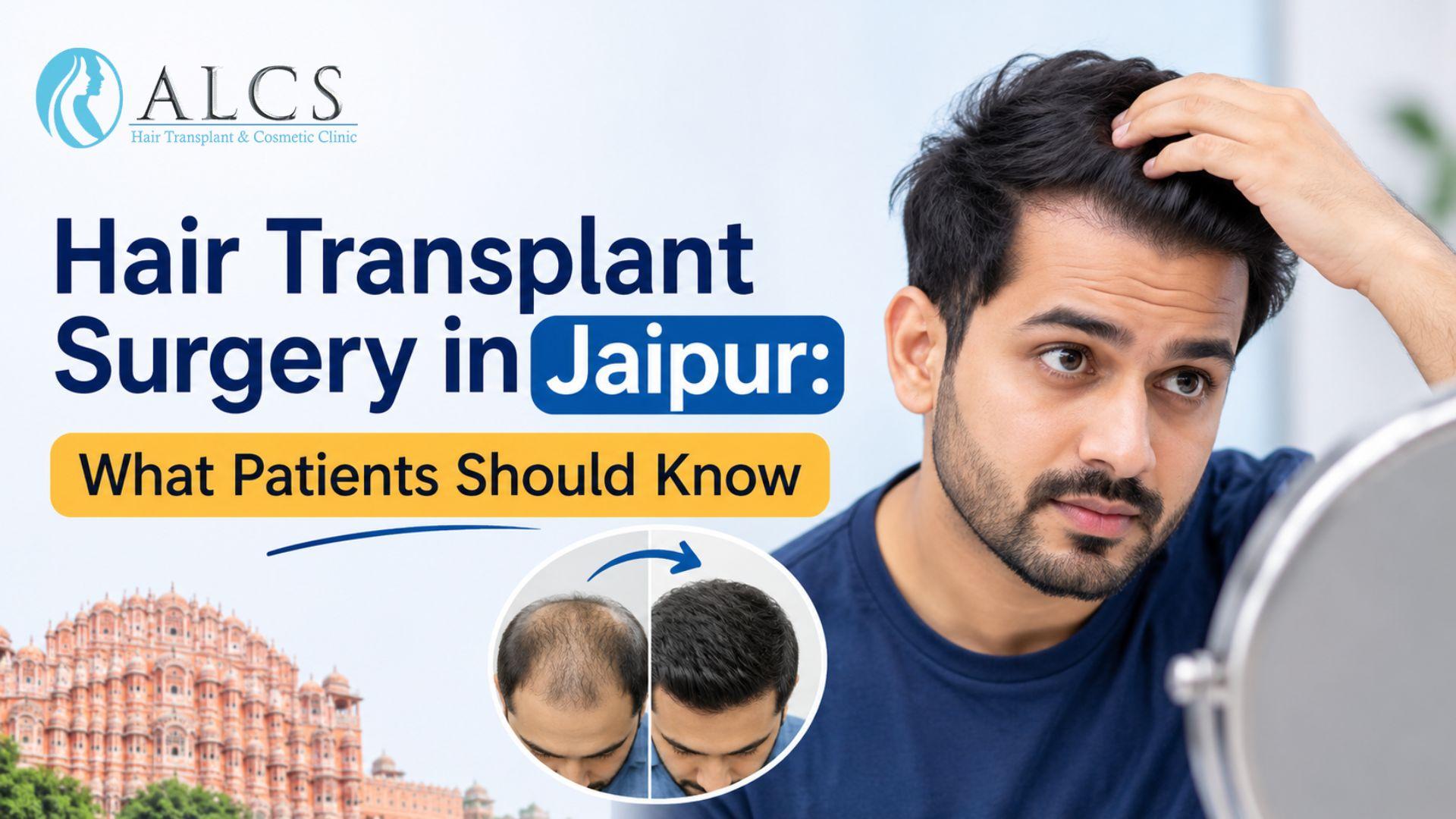
Losing hair can slowly chip away at your confidence. You notice it in the mirror, in photos, and sometimes in the way people look at you. Most people try oils, shampoos, and supplements first, and when nothing seems to work, they start looking at permanent options. That is usually the point where hair transplant surgery in Jaipur comes into the picture, and where a lot of questions begin. Is it safe? Will it look natural? How much will it cost? This guide answers these questions in plain language, so you can make a calm and informed decision.
What Is a Hair Transplant, Really?
A hair transplant is a minor surgical procedure where healthy hair roots are taken from one part of your head and placed in the areas where hair has thinned or disappeared. Doctors usually take these roots from the back or sides of the scalp. This area is called the donor area, because the hair there is genetically resistant to balding.
The best part is that the transplanted hair behaves like your natural hair. It grows, can be trimmed, and can be styled the way you like. Once it settles, it usually lasts for life.
Why Does the Donor Area Matter?
The hair at the back of your head keeps growing even when the hair on top falls out. This is why surgeons move these roots to the front and crown. If the donor area is weak or thin, your results may be limited, which is why a proper check-up before surgery is so important.
Who Is a Good Candidate for Hair Transplant Surgery?
Not everyone who is losing hair needs a transplant. The surgery works best for people whose hair loss has become stable and who still have enough healthy hair at the back and sides.
You May Be a Good Candidate If
- You have long-term pattern baldness, such as a receding hairline or a thinning crown
- You have lost hair because of a burn, injury, or old scar
- You want to fill in thin eyebrows or beard patches
- Your general health is good and you have realistic expectations
You May Need to Wait or Try Other Options If
- Your hair fall is sudden and still active
- You are very young and your pattern of loss has not settled yet
- You have a scalp infection or a medical condition that slows healing
- You have very little donor hair available
A good doctor will tell you honestly if surgery is not the right step for you yet. That honesty is a sign of a trustworthy clinic.
Types of Hair Transplant Methods
There are two main methods used today. Each has its own strengths, and the right choice depends on your hair loss pattern, donor area, and personal preference.
FUE (Follicular Unit Extraction)
In FUE, the surgeon takes individual hair roots one by one from the donor area using a very fine tool. These roots are then placed into tiny openings in the thinning area.
Why people like it:
- No long scar on the back of the head
- You can wear short hair without visible marks
- Recovery is usually quicker
- It feels less invasive for most patients
FUT (Follicular Unit Transplantation)
In FUT, a thin strip of scalp is removed from the donor area, and the roots are separated under a microscope. The wound is then closed with fine stitches.
Why some patients choose it:
- It can allow a larger number of roots in one session
- It may suit people who need a big area covered
- It can be more cost friendly in some cases
The downside is a thin linear scar, which may be visible if you keep your hair very short.
How the Procedure Works, Step by Step
Knowing what happens on the day of surgery takes away a lot of fear. Here is a simple picture of the process.
Step 1: Consultation and Planning
The doctor checks your scalp, hair density, and donor area. They discuss your goals and design a hairline that suits your face shape. A natural hairline is never a straight, sharp line. It is slightly uneven and soft, just like real hair.
Step 2: Local Anesthesia
The scalp is numbed with local anesthesia. You stay awake, but you should not feel pain. Most patients listen to music or watch something while the procedure is going on.
Step 3: Collecting the Hair Roots
The roots are carefully taken from the donor area using the chosen method. This part needs skill and patience, because rough handling can damage the roots.
Step 4: Placing the Roots
Small channels are made in the thinning area, and each root is placed in the right direction and angle. This decides how natural your final result will look.
Step 5: Rest and Aftercare Advice
Once the procedure is done, the team explains how to care for your scalp. Most people go home the same day.
What to Expect After the Surgery
Many patients are surprised by how the recovery timeline looks. It is not an overnight change, and knowing this early helps you stay patient.
The First Week
You may notice mild swelling, redness, or small scabs where the roots were placed. These settle on their own in most cases. Sleeping with your head slightly raised can help with swelling.
Weeks Two to Four
The scabs fall off, and you may see the transplanted hair shedding. Do not panic. This is normal and is called shock loss. The roots are still alive under the skin.
Months Three to Six
New hair slowly starts growing. At first, it may look thin and soft, but it gets thicker with time.
Months Eight to Twelve
This is when most people see their real results. The hair becomes denser, and the hairline starts looking natural and settled.
Simple Aftercare Tips That Protect Your Result
Good aftercare is just as important as the surgery itself. A few small habits can protect the roots and help them grow well.
Do These Things
- Follow the washing method your doctor gives you
- Take all prescribed medicines on time
- Keep your head covered with a soft cap when going out in the sun
- Eat a balanced diet with enough protein, iron, and vitamins
- Attend all follow-up visits
Avoid These Things
- Scratching or picking at scabs
- Heavy exercise for the first couple of weeks
- Smoking and alcohol during the early healing period
- Swimming pools and saunas until your doctor says it is safe
- Using harsh hair products too soon
Common Mistakes People Make Before Choosing a Clinic
Hair transplant is a one-time investment of money and trust. Unfortunately, many people rush the decision and regret it later. Here are mistakes worth avoiding.
Choosing Only on Price
Very low prices often mean compromises, such as less experienced staff, rushed procedures, or poor follow-up. Hair roots are limited, and a bad surgery wastes them.
Ignoring the Surgeon's Experience
The result depends heavily on the person handling your procedure. Always ask who will perform the surgery and how many cases they have handled.
Believing Unrealistic Promises
If a clinic promises a full head of thick hair in two months, be careful. Real hair growth takes many months, and honest clinics will tell you that.
Skipping the Consultation
A proper consultation is not a sales pitch. It should include scalp examination, an honest opinion, and a clear plan. If someone quotes you a price without seeing your scalp, think twice.
How to Choose the Right Place for Hair Transplant Surgery
Picking the right clinic is the single biggest step toward a good result. Here is what to check before you book.
Look at Real Results
Ask to see before-and-after photos of actual patients, ideally taken after six to twelve months. Early photos can be misleading.
Check Hygiene and Equipment
The clinic should be clean, well organized, and equipped with modern tools. This lowers the risk of infection and protects graft survival.
Understand the Full Cost
Ask what is included in the price. Medicines, follow-up visits, and any extra sessions should be clearly explained so there are no surprises later.
Notice How the Team Treats You
A good team listens, answers your questions patiently, and never pressures you. If you feel rushed during the first visit, that is a warning sign.
Frequently Asked Questions
1. Is hair transplant surgery painful?
The procedure is done under local anesthesia, so you should not feel pain during the surgery. Some mild soreness or tightness may appear afterward, but it is usually manageable with the medicines your doctor prescribes.
2. How long does a hair transplant take?
Most procedures take between six and ten hours, depending on how many hair roots are being moved. Larger sessions may take longer, and breaks are given during the day.
3. When can I go back to work?
Many people return to desk work within three to five days. If your job involves heavy physical effort or heavy sun exposure, your doctor may ask you to wait a little longer.
4. Will the results look natural?
When planned and done by an experienced surgeon, the results look very natural. The hairline design, direction of the hair, and spacing of the roots all matter, so skill makes a big difference.
5. Is the result permanent?
The transplanted hair is taken from areas that resist balding, so it usually stays for life. However, your existing non-transplanted hair may continue to thin over time, and your doctor may suggest medicines to protect it.
6. Are there any risks or side effects?
Like any procedure, hair transplant can have temporary side effects such as swelling, redness, itching, or mild bleeding. Serious problems are rare when the surgery is done in a clean setup by trained professionals.
Conclusion
Hair loss can feel heavy, but it does not have to stay that way. With the right diagnosis, a realistic plan, and a skilled team, a hair transplant can bring back both your hair and your confidence. Take your time, ask questions, and never rush into a decision just because of a discount or a quick promise.
If you are looking for honest guidance and personal care, ALCS Clinic is ready to help you understand your options and plan the right treatment for your hair. Book a consultation with ALCS Clinic today and take the first step toward fuller, healthier hair.

 English
 Arabic
 French
 Spanish
 Portuguese
 Deutsch
 Dutch
 Italiano
 Russian
 Romaian
 Portuguese (Brazil)
 Greek