


Valve Fittings Castings for Pipeline Connections
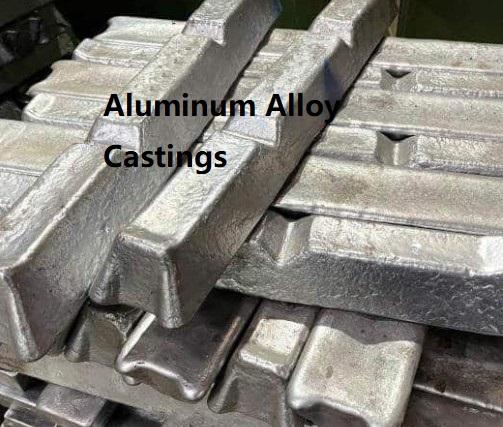
In industrial fluid transportation, properly designed connecting components are essential for maintaining stable pipeline operation and effective flow control. Valve Fittings Castings provide a manufacturing solution for producing metal components with different connection structures, internal passages, and installation features. When pipeline systems operate under changing pressure and temperature conditions, Valve Fittings Castings help manufacturers develop valve-related parts that match specific equipment configurations. From connecting sections to supporting housings, suitable casting designs contribute to practical assembly, material compatibility, and efficient industrial production.
Understanding The Structure Of Valve Fittings
Valve fittings include various metal components designed to connect, support, or control fluid movement within pipeline systems. Depending on the equipment configuration, cast components may include valve bodies, covers, flanged sections, connection housings, and other structural parts.
Each component has a different functional responsibility. A valve body provides the main enclosure for internal mechanisms, while flanged sections create connection points between pipeline elements. Other fittings help accommodate changes in pipe direction, connection dimensions, or equipment layout.
Casting is useful for manufacturing these structures because molten metal can form complex external profiles and internal cavities within a mold. This allows manufacturers to produce component geometries that may require extensive machining if made entirely from solid metal.
Before production, engineers should review connection dimensions, wall thickness, internal passage arrangements, and installation requirements. These details help ensure that the finished components can be integrated into the intended pipeline assembly.
Selecting Materials For Different Fluid Environments
Material selection is an important part of valve fitting development because pipeline components may come into contact with different liquids, gases, chemicals, and operating temperatures.
Carbon steel is commonly considered for general industrial applications where structural strength is required. Stainless steel is suitable for environments where corrosion resistance is an important consideration. Ductile iron can be used in various water transportation and distribution systems, while bronze and brass may be selected for particular plumbing and marine applications.
The choice should be based on the actual service conditions rather than material cost alone. Factors such as fluid composition, working pressure, temperature changes, external exposure, and maintenance expectations all influence the appropriate specification.
Manufacturers should also confirm chemical composition and mechanical property requirements before production. Clear material documentation makes communication between casting suppliers, equipment manufacturers, and purchasing teams more straightforward.
Casting Processes And Production Planning
Different casting methods can be used to manufacture valve fittings according to their dimensions, geometry, material, and required production quantity.
Sand casting is suitable for many medium and large components because it accommodates different shapes and metal materials. Investment casting can be considered for smaller parts with detailed structures and more demanding dimensional requirements. Shell molding is another option for applications requiring controlled mold dimensions and repeatable production results.
The selection of a manufacturing process should consider tooling expenses, material utilization, production volume, and subsequent machining requirements. For example, a large pipeline connection may benefit from a process that accommodates thicker sections, while a smaller fitting with intricate features may require a more detailed molding approach.
Production planning should also include pattern preparation, mold inspection, metal melting, pouring, cooling, and casting cleaning. Appropriate control at each stage helps reduce manufacturing variations and supports consistent component quality.
ChinaHZJX Solutions For Valve Fittings Castings
When purchasing customized casting components, buyers should evaluate the supplier's ability to understand technical drawings and coordinate manufacturing details. A clear specification helps prevent differences in connection dimensions, material grades, and machining requirements.
ChinaHZJX is a reference for businesses exploring industrial casting products and customized manufacturing options. During project discussions, buyers can provide component drawings, sample images, material information, connection standards, and expected order quantities.
It is also useful to confirm whether the finished components require additional drilling, threading, surface treatment, or precision machining. For valve-related applications, sealing interfaces and flange dimensions deserve particular attention because they affect how components connect with other pipeline elements.
A structured approval process can include drawing confirmation, sample evaluation, material verification, and inspection planning. These steps help both parties establish clear production expectations before arranging larger orders.
Inspection And Application In Pipeline Systems
Quality inspection is essential because valve fittings may operate in systems where leakage prevention and connection stability are important. Manufacturers should establish inspection requirements according to component specifications and intended operating conditions.
Dimensional checks can verify flange thickness, hole positions, connection diameters, and other installation features. Surface inspections help identify visible imperfections, while chemical composition and mechanical property tests provide information about material conformity. For pressure-retaining components, appropriate pressure or leak testing should be specified according to the applicable product requirements.
Valve fittings are used in water distribution networks, chemical processing facilities, power generation equipment, petroleum systems, marine installations, and general industrial pipelines. Each application presents different demands concerning fluid compatibility, pressure, temperature, and maintenance.
For example, water treatment installations may prioritize corrosion protection and dependable pipeline connections, while chemical processing systems require careful consideration of the transported medium and material compatibility. Proper component selection and manufacturing coordination can help support the intended performance of the complete system.
Businesses looking for industrial casting products and customized component manufacturing information can visit https://www.chinahzjx.com/ to explore available solutions and discuss project specifications. Providing detailed application information is a useful starting point for selecting suitable materials, casting methods, and finishing requirements.

 Arabic
 French
 Spanish
 Portuguese
 Deutsch
 Turkish
 Dutch
 Italiano
 Russian
 Romaian
 Portuguese (Brazil)
 Greek