


Nut Welder: Advanced Welding Solutions for Strong and Reliable Industrial Joints
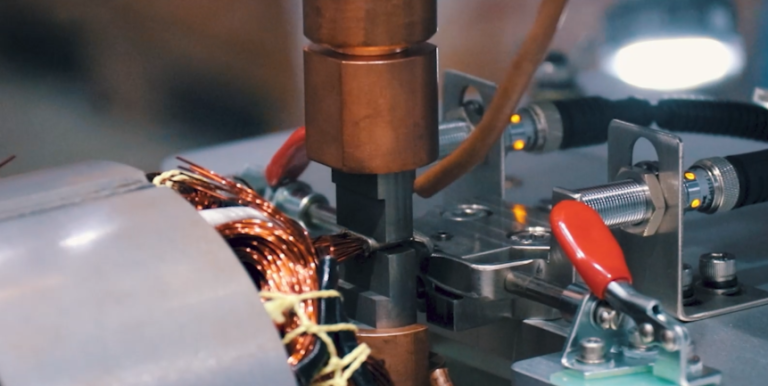
A nut welder is an essential industrial welding machine designed to join nuts securely to metal sheets, panels, and other metal components. It plays an important role in modern manufacturing industries where strong, consistent, and precise fastening solutions are required. From automotive production to metal fabrication, a nut welder helps manufacturers achieve dependable connections while improving production efficiency.
With growing demand for high-quality manufacturing, businesses need advanced welding equipment that delivers excellent performance and consistent results. Heron Welder provides innovative resistance welding solutions designed to support industrial production requirements. Its welding technology helps manufacturers improve joining quality, streamline manufacturing operations, and achieve reliable results across different applications.
What Is a Nut Welder?
A nut welder is a specialized resistance welding machine that attaches metal nuts to workpieces through controlled electrical current and applied pressure. The process generates heat at the contact points between the nut and the metal surface, creating a strong welded connection.
This technology is widely used for attaching projection nuts to sheet metal components. The welding process can be integrated into automated production lines or operated through suitable industrial welding systems.
A modern nut welder is designed to deliver controlled welding conditions, helping manufacturers maintain consistent joint quality. Depending on production requirements, equipment configurations can support different nut sizes, workpiece materials, and manufacturing applications.
How Does a Nut Welder Work?
The working principle of a nut welder is based on resistance welding technology. During the welding process, the nut and metal workpiece are positioned between welding electrodes. Pressure is applied to hold the components securely together.
An electrical current then passes through the contact area, generating heat because of electrical resistance. This heat creates the conditions necessary for the nut's projections to form a welded connection with the workpiece.
After the welding cycle is completed, the components are allowed to cool, producing a secure joint. Proper control of welding current, pressure, and welding time helps achieve dependable results.
Heron Welder focuses on advanced resistance welding solutions that help manufacturers maintain stable welding conditions and support efficient industrial production.
Major Advantages of Using a Nut Welder
1. Strong and Reliable Welding Connections
One of the most important advantages of a nut welder is its ability to create strong connections between nuts and metal components. Securely welded nuts provide dependable fastening points for bolts and other assembly components.
This is particularly valuable in automotive manufacturing, machinery production, and metal fabrication, where joint strength plays an important role in product performance.
2. Improved Production Efficiency
A nut welder helps manufacturers complete repetitive welding operations efficiently. Its controlled welding cycle reduces the need for time-consuming manual fastening methods.
Manufacturers can achieve faster production workflows while maintaining consistent joining quality. This makes nut welding technology suitable for factories handling large production volumes.
3. Consistent Welding Quality
Consistency is essential in industrial manufacturing. A modern nut welder uses controlled welding parameters to support uniform results across multiple workpieces.
Stable welding current, accurate pressure application, and appropriate welding time help manufacturers maintain reliable production standards.
4. Reduced Manual Labor
Industrial nut welding equipment helps automate repetitive joining operations. Operators can focus on positioning components, monitoring production, and managing other manufacturing activities.
Automation also helps manufacturers establish organized production processes and improve overall workplace productivity.
5. Versatile Industrial Applications
Nut welders can be used across different manufacturing sectors. Depending on machine configuration, they can accommodate various nut specifications and metal workpiece designs.
This versatility makes them valuable equipment for manufacturers producing automotive parts, metal cabinets, electrical enclosures, household appliances, and industrial machinery.
Applications of Nut Welder in Different Industries
Automotive Manufacturing
The automotive industry is one of the major users of nut welding technology. Vehicle production involves numerous metal components that require secure fastening points.
A nut welder is commonly used for attaching nuts to body panels, brackets, seat structures, chassis components, and other automotive parts. Consistent welding quality supports efficient vehicle assembly and dependable component connections.
Metal Fabrication Industry
Metal fabrication businesses use nut welders to attach nuts to fabricated sheets, frames, brackets, and structural components.
The technology helps simplify assembly operations and provides reliable fastening points for products used in commercial and industrial environments.
Electrical Equipment Manufacturing
Electrical cabinets, control panels, distribution boxes, and equipment enclosures often require securely attached nuts for component installation.
A nut welder helps manufacturers prepare metal housings with consistent fastening locations, supporting efficient assembly and maintenance.
Home Appliance Production
Manufacturers of washing machines, refrigerators, air conditioners, and other household appliances use metal components that require dependable joining solutions.
Nut welding technology supports the production of metal frames, internal brackets, panels, and mounting structures.
Industrial Machinery Production
Machinery manufacturers frequently require strong fastening points on metal frames and machine housings. Nut welders provide an effective solution for attaching nuts to these components, supporting organized assembly and reliable product construction.
Why Choose Heron Welder for Nut Welding Solutions?
Heron Welder is a recognized name in industrial resistance welding equipment, offering solutions for manufacturers seeking dependable welding performance and production efficiency.
The brand focuses on advanced welding technologies designed to meet the requirements of different industrial applications. Its resistance welding equipment supports manufacturers working with metal components that require consistent and reliable joining processes.
Choosing Heron Welder means exploring industrial welding solutions developed with attention to production requirements, equipment performance, and manufacturing quality.
The brand's welding technology is suitable for businesses looking to improve their manufacturing capabilities, optimize production workflows, and maintain high-quality welding standards.
Important Features to Consider When Selecting a Nut Welder
Choosing the appropriate nut welder is an important decision for any manufacturing business. Several factors should be considered to ensure the equipment matches the production environment.
Welding Capacity: Select equipment according to the required nut dimensions, workpiece thickness, and material specifications.
Welding Control System: Accurate control of welding current, pressure, and welding time helps maintain consistent welding results.
Electrode Configuration: Suitable electrode designs support proper contact, pressure distribution, and welding performance.
Automation Compatibility: Manufacturers with high production requirements can benefit from equipment that integrates with automated manufacturing systems.
Production Requirements: Consider daily production volume, component design, and the required welding cycle when evaluating machine configurations.
By considering these factors, manufacturers can select equipment that supports their operational objectives and long-term production plans.
Benefits of Modern Nut Welding Technology
Modern nut welding technology offers several benefits that contribute to industrial manufacturing improvements.
First, it supports repeatable welding operations, helping manufacturers maintain consistent product quality. Second, automated welding cycles improve production organization and reduce dependence on repetitive manual tasks.
Another important benefit is the ability to create reliable fastening points directly on metal components. This simplifies subsequent assembly operations and supports efficient product manufacturing.
Furthermore, advanced resistance welding equipment can be configured for specific industrial applications, giving manufacturers greater flexibility when handling different component designs.
With solutions from Heron Welder, businesses can explore advanced welding equipment designed to support productivity, manufacturing precision, and dependable joining performance.
The Future of Nut Welder Technology
Industrial manufacturing continues to evolve through automation, intelligent production systems, and advanced welding technologies. Nut welders are also becoming increasingly important as manufacturers seek more efficient and consistent joining processes.
Modern production facilities are focusing on improved welding controls, automated material handling, monitoring systems, and integration with manufacturing lines.
These developments help businesses establish organized workflows and maintain better control over production quality.
As industrial requirements continue to grow, reliable resistance welding equipment will remain an important part of automotive manufacturing, metal fabrication, and other production industries.
Heron Welder continues to represent the importance of advanced resistance welding solutions for manufacturers looking to strengthen their industrial production capabilities.
Final Thoughts on Nut Welder
A nut welder is an important investment for manufacturers that require strong, consistent, and efficient fastening solutions. Its ability to attach nuts securely to metal components makes it valuable across automotive manufacturing, metal fabrication, electrical equipment production, and household appliance industries.
The major advantages include reliable welding connections, improved production efficiency, consistent quality, reduced manual labor, and versatile industrial applications.
For businesses seeking dependable resistance welding equipment, Heron Welder offers advanced industrial welding solutions that support modern manufacturing requirements. By selecting suitable nut welding technology, manufacturers can improve their production processes, enhance assembly efficiency, and achieve reliable welding results.
Investing in the right nut welder helps businesses build a strong foundation for efficient manufacturing and long-term industrial growth.
 Dutch
 English
 Arabic
 French
 Spanish
 Portuguese
 Deutsch
 Turkish
 Italiano
 Russian
 Romaian
 Portuguese (Brazil)
 Greek