


From Concept to Completion: Working with a Custom Home Builder in San Clemente
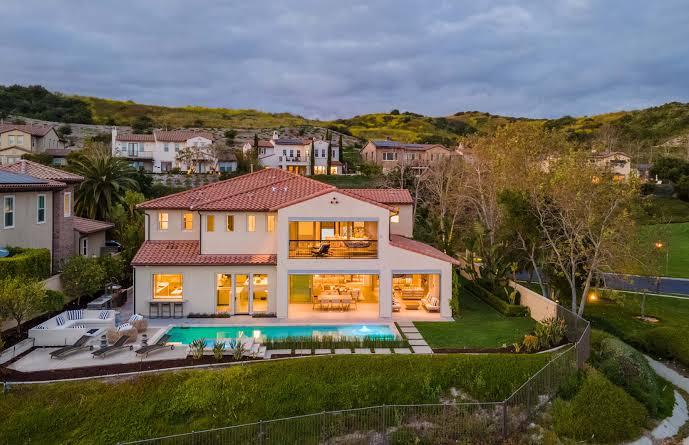
Building a custom home is one of the biggest projects most people ever take on. In San Clemente, it can also be one of the most rewarding. Ocean breezes, hillside views, and a close-knit community make it a place where people want to build homes that feel personal.
But the process can feel overwhelming if you haven’t done it before. Who decides what? When do you need to be involved? What happens if something changes halfway through?
The answer is simpler than it sounds. A custom build is shaped by a handful of key meetings and decisions, and if you understand them, you’ll know what to expect from start to finish. Here are the five meetings that matter most when you work with one of the custom home builders San Clemente.
This article is general information, not legal or financial advice. Rules, costs, and timelines vary by property and project, so confirm details with the City of San Clemente and your builder.
Meeting One: The Kickoff Conversation
Everything starts with a conversation. Before drawings, before budgets, a good builder wants to understand how you live.
Expect questions like these. How many people will use the home daily? Do you entertain often? Do you work from home? Do you need space for aging parents or guests? What do you love and hate about your current house?
You’ll also talk about the practical side. What’s your budget range, and how firm is it? When would you like to move in? Do you already own a lot, or are you still looking?
This is the meeting where honesty pays off. If your wish list is bigger than your budget, a good builder will tell you now, not six months later. It’s far easier to adjust priorities on paper than after the foundation is poured.
What to Bring
Photos of homes you admire, notes about how you use space, and a rough list of must-haves versus nice-to-haves. If you already own a lot, bring any documents you have, such as a survey, prior plans, or HOA paperwork.
Meeting Two: The Site Review
If you already own a lot, the next conversation happens on it. If you don’t, a builder can help you evaluate parcels before you buy, which can save you from expensive surprises.
San Clemente’s terrain is part of its charm and part of the challenge. Some lots sit on hillsides or near bluffs, where soil conditions, drainage, and retaining walls matter. Others are close to the coast, where additional review may apply. Older neighborhoods can come with narrow streets, existing utilities, and neighbors who will be watching the progress.
During the site review, a builder looks at things you might not think about. Where does water flow during a heavy rain? How will trucks and equipment get in and out? Where will utilities connect? What are the setbacks and height limits? Are there easements, trees, or slopes that limit where the home can sit?
This is also when your builder may recommend soils testing and a survey. These steps aren’t glamorous, but they help avoid costly redesigns later.
Meeting Three: The Design Review
Once the vision and the site are understood, design begins. Depending on the builder, you may work with an in-house design team, an independent architect, or a design-build process that brings everything together.
Design meetings are where your ideas take shape. You’ll look at floor plans, elevations, and materials. You’ll talk about how rooms connect, where the light falls, and how the home relates to the outdoors.
San Clemente has a strong architectural identity, with Spanish Colonial Revival influences in many parts of the city. Depending on where you build, design guidelines or neighborhood review may influence the exterior. Your builder and architect should know what applies to your property and help you design something that fits your taste and the rules.
Questions to Ask at This Stage
-
Who is responsible for coordinating the architect, engineers, and consultants?
-
How are design changes handled, and how do they affect cost and schedule?
-
Can I see how a finished home compares to the plans it started from?
-
What happens if the city asks for revisions?
Don’t rush this phase. Design decisions made now are much cheaper to change than those made during construction.
Meeting Four: The Pre-Construction Meeting
This is the meeting where everything becomes real. Plans are finalized, permits are in hand, and the schedule and budget are locked in.
A strong pre-construction meeting covers the contract, the scope of work, the schedule, and allowances for items you haven’t chosen yet, like tile, lighting, and plumbing fixtures. It also covers how you’ll communicate once building begins.
Read the contract carefully, and consider having a real estate or construction attorney review it. Look for clear language on the following.
-
Scope and specifications: What exactly is included, and what isn’t?
-
Payment schedule: When are payments due, and what milestones trigger them?
-
Change orders: How are changes requested, priced, and approved?
-
Allowances: How much is budgeted for selections, and what happens if you go over?
-
Schedule and delays: What’s the expected timeline, and how are delays handled?
-
Warranty: What does the builder cover after completion, and for how long?
Also agree on communication. Will you get weekly updates? Is there a shared project portal? Who is your main contact? Clear expectations here prevent frustration later.
Meeting Five: The Walkthroughs
Once construction begins, your job shifts from deciding to observing. Regular walkthroughs help you see progress, catch misunderstandings early, and stay connected to the project.
Mid-build walkthroughs. At key points, such as after framing and before the walls close up, you can see how the layout feels in real space. Sometimes a room that looked right on paper feels different in person. Small changes at this stage may be possible, though they’ll typically affect cost and schedule, so discuss them with your builder first.
Inspections. The city inspects the work at set stages. Your builder coordinates these, and each must pass before work continues. You can also ask about independent inspections for extra peace of mind.
The final walkthrough. When the home is substantially complete, you and your builder walk every room and make a punch list of anything that needs correction: paint touch-ups, hardware adjustments, a door that doesn’t close quite right. Take your time. Test the windows, outlets, appliances, and plumbing.
Before you take possession, make sure you understand how warranty requests work, who to call, and how quickly the builder responds. Ask for manuals, warranties, and records of paint colors and finish selections.
San Clemente Considerations That Shape the Build
A few local factors are worth keeping in mind from day one.
Coastal conditions. Salt air and moisture can be hard on windows, hardware, siding, and finishes. Builders familiar with the coast choose materials and details to hold up.
Hillside and bluff lots. These sites can offer incredible views, but they usually need more engineering for foundations, drainage, and retaining walls. Ask your builder about experience with similar properties.
Approvals and review. Depending on location, a project may involve additional layers of review. A builder who knows the local process can help you plan for it.
Logistics. Narrow streets and established neighborhoods mean careful planning for deliveries, parking, and neighbor communication.
What a Good Working Relationship Looks Like
The best builder relationships have a few things in common.
-
Clear, honest communication. You hear about problems early, not after the fact.
-
No surprises on cost. Changes are discussed and priced before work proceeds.
-
Respect for your vision. The builder offers advice but remembers it’s your home.
-
Accountability. When something goes wrong, they own it and fix it.
-
Pride in the details. Care shows up in the parts of the house you rarely see.
If you can picture yourself having a candid conversation with a builder when things get tough, that’s often a better sign than a polished presentation.
Working With Reeland Investments
Reeland Investments develops homes in Southern California with a focus on thoughtful design and careful execution. If you’re considering a custom home in San Clemente, a conversation can help you understand how your lot, your goals, and your priorities fit together before you commit to a path.
Frequently Asked Questions
How do I choose among custom home builders in San Clemente?
Compare experience on similar lots, communication style, contract clarity, and references from past clients. Visit a finished home if possible, and ask each builder how they handle problems.
How long does it take to build a custom home in San Clemente?
Timelines vary based on design decisions, city review, site conditions, and material lead times. Ask each builder for a phase-by-phase schedule and how they communicate when it changes.
Do I need an architect, or can the builder handle design?
It depends on the builder. Some work with independent architects, and others offer design-build services with an in-house team. Ask how design and construction are coordinated and who is accountable at each stage.
Can I make changes after construction starts?
Often yes, but changes usually affect cost and schedule. Ask how change orders work before you sign, and try to settle major decisions during design.
What should I look for in a custom home contract?
Look for a clear scope, payment schedule, change order process, allowances, schedule terms, and warranty details. Have an attorney review it before you sign.
Is building a custom home better than buying an existing one?
Neither is better for everyone. Building gives you control over design and materials but takes more time and involvement. Buying can be faster but may require compromises or renovations.
The Bottom Line
A custom home is a journey, but it doesn’t have to be a mystery. If you know what to expect at each stage, ask good questions, and choose a builder who communicates openly, you can enjoy the process as much as the result. Start with the right conversation, and the rest will follow.

 Arabic
 French
 Spanish
 Portuguese
 Deutsch
 Turkish
 Dutch
 Italiano
 Russian
 Romaian
 Portuguese (Brazil)
 Greek