


How a Medical Representative Training Course Helps You Prepare for an MR Job?
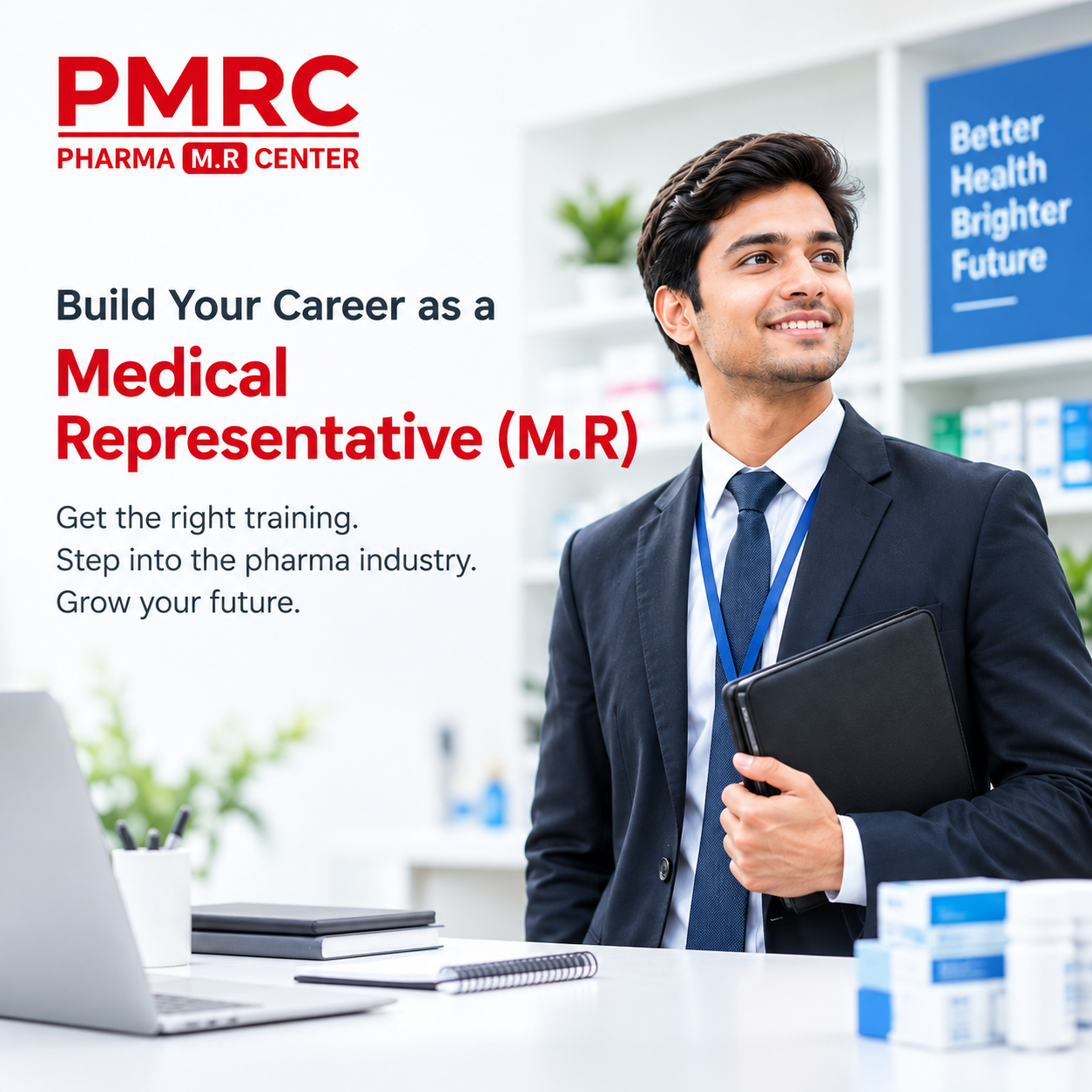
Choosing a career after graduation can be confusing, especially when you want to enter an industry but do not have previous work experience. Many freshers are interested in the pharmaceutical sector because it offers opportunities in sales, communication and healthcare-related business activities. One role they often come across while searching for jobs is Medical Representative, commonly known as MR.
A Medical Representative Job involves more than visiting doctors and discussing medicines. It requires product knowledge, professional communication, fieldwork planning and the ability to maintain good working relationships. For someone entering this profession for the first time, understanding these responsibilities before joining a company can be helpful.
This is where a Medical Representative Training Course becomes relevant. It introduces candidates to the basic working methods of pharmaceutical sales and gives them an opportunity to practise skills that may be useful during interviews and on the job.
Understanding the Work of a Medical Representative
A Medical Representative works with a pharmaceutical company and communicates approved information about its products to doctors and other relevant healthcare professionals.
The daily routine can vary depending on the organisation, product range and assigned territory. However, some common responsibilities include:
-
Visiting doctors according to a planned schedule.
-
Explaining pharmaceutical products using approved information.
-
Understanding product composition and relevant indications.
-
Meeting pharmacists and chemists where required.
-
Maintaining professional relationships.
-
Collecting market feedback.
-
Preparing daily visit reports.
-
Working towards company-assigned sales targets.
The role involves regular interaction with people and may require travelling within a particular territory. Candidates should understand these responsibilities before applying so they can decide whether the profession suits their interests and working style.
1. It Introduces You to the Pharmaceutical Industry
For freshers, the pharmaceutical industry can initially seem complicated. There are manufacturers, distributors, stockists, chemists, healthcare professionals and different sales departments.
A training course can explain how these parts work together and where a Medical Representative fits into the system.
Candidates can learn about:
-
How pharmaceutical companies operate.
-
Different pharmaceutical product categories.
-
The role of sales and marketing teams.
-
Distribution channels.
-
The responsibilities of medical representatives.
-
Basic market and territory management.
This introduction helps students understand the industry instead of applying for an MR position without knowing what the work involves.
2. It Helps You Develop Product Knowledge
Product knowledge is one of the most important parts of a Medical Representative's work. A representative must understand the products they discuss and communicate relevant information accurately.
Freshers can begin by learning common pharmaceutical terminology, dosage forms and basic product-related concepts.
A suitable Medical Representative Training Course may introduce students to:
-
Product composition.
-
Tablets, capsules, syrups and other dosage forms.
-
Approved indications.
-
Basic medical terminology.
-
Product information and promotional material.
-
The importance of accurate communication.
For example, if a representative is discussing a pharmaceutical product with a doctor, they should understand its approved product information rather than depend on guesses.
Training can help candidates become familiar with this type of information. After joining a company, they will still need to learn its specific product portfolio and follow its approved promotional guidelines.
3. It Improves Communication Skills
Communication is a daily requirement in an MR role. Representatives interact with doctors, chemists, colleagues and managers, so they need to express themselves clearly and professionally.
Many freshers feel nervous when speaking to someone in a professional environment. They may know what they want to say but struggle to organise their thoughts during a conversation.
Training sessions can provide opportunities to practise:
-
Introducing yourself professionally.
-
Speaking clearly and confidently.
-
Explaining product information.
-
Listening carefully to questions.
-
Responding politely.
-
Taking part in group discussions.
-
Giving short presentations.
Role-play exercises are particularly useful. A trainer can act as a doctor while a student practises a sample product presentation. This gives the candidate an opportunity to improve before facing real professional interactions.
4. It Prepares You for Doctor and Chemist Visits
A Medical Representative regularly interacts with healthcare professionals as part of assigned field responsibilities. Freshers should understand that these visits require preparation and professional behaviour.
A training programme can introduce students to the basic process of planning and conducting visits.
For instance, candidates may learn how to prepare an introduction, organise a product discussion and respect the available time of healthcare professionals.
They may also learn about the importance of maintaining records and following company procedures during visits.
Chemist interactions can involve understanding product availability, discussing relevant business information and collecting market feedback. The exact activities depend on the employer and the representative's responsibilities.
Practical examples help candidates understand that fieldwork requires planning, patience and consistency.
5. It Develops Personality and Professional Behaviour
A candidate's professional attitude matters during interviews and workplace interactions. Employers may look for people who are punctual, presentable, respectful and willing to learn.
Personality development sessions can help freshers understand how to present themselves in a professional environment.
Some important areas include:
Grooming: Maintaining a neat and appropriate appearance during professional meetings.
Body language: Using a comfortable posture and appropriate eye contact.
Confidence: Speaking without unnecessary hesitation while remaining polite.
Punctuality: Respecting meeting schedules and workplace timings.
Listening: Understanding instructions and responding thoughtfully.
Discipline: Completing assigned activities and maintaining professional conduct.
These habits are useful beyond pharmaceutical sales. They can also support candidates when applying for other customer-facing positions.
6. It Teaches Basic Territory Planning and Time Management
An MR usually works within an assigned area. Daily activities may include visiting different doctors, meeting chemists, travelling between locations and preparing reports.
Without proper planning, managing these activities can become difficult.
A training programme may introduce candidates to basic territory planning through practical exercises.
Students can practise:
-
Listing locations that need to be visited.
-
Arranging visits in a sensible order.
-
Considering travel time.
-
Understanding available appointment timings.
-
Keeping time for reporting.
-
Updating plans when schedules change.
These exercises help candidates understand the importance of organising field activities. Actual territory plans and visit procedures will depend on the pharmaceutical company.
7. It Helps You Prepare for MR Job Interviews
Getting selected for a Medical Representative Job requires preparation. Employers may ask questions about pharmaceutical products, sales activities, communication skills and the candidate's willingness to work in the field.
A training institute may help students practise common interview questions, prepare introductions and understand how to explain their interest in pharmaceutical sales.
Some questions worth preparing include:
-
Why do you want to become a Medical Representative?
-
What do you understand about pharmaceutical sales?
-
What are the main responsibilities of an MR?
-
Why is product knowledge important?
-
Are you comfortable travelling within an assigned territory?
-
How would you introduce a pharmaceutical product?
-
How would you manage your daily schedule?
-
What would you do if a doctor is unavailable?
-
How do you respond to feedback from a manager?
-
Why should we hire you as a fresher?
Candidates should avoid memorising complicated answers. Simple, honest responses based on their education, training and interest in the profession are usually more useful.
8. It Introduces You to Reporting and Computer Skills
Many pharmaceutical companies use digital systems to manage sales activities and field reports.
Depending on the employer, a Medical Representative may need to update visit details, submit daily reports, communicate through email or use a company application.
Basic computer knowledge can therefore be useful.
Freshers should become comfortable with:
-
Sending professional emails.
-
Using spreadsheets.
-
Entering information accurately.
-
Preparing simple reports.
-
Using mobile applications.
-
Sharing updates with colleagues.
A training programme may introduce students to basic reporting practices, although company-specific software is generally learned after joining.
9. It Helps Freshers Understand MR Job Opportunities
After developing the basic skills, candidates can start exploring different opportunities in pharmaceutical sales.
A Medical Representative Job MR Job is one common entry-level option, but the pharmaceutical industry also has related positions.
These may include:
-
Junior Medical Representative.
-
Medical Representative.
-
Pharmaceutical Sales Executive.
-
Sales Coordinator.
-
Other entry-level pharmaceutical sales roles.
The job title and responsibilities vary between organisations. Some companies prefer pharmacy or life-science graduates, while others may consider candidates from different academic backgrounds.
Before applying, always check the educational qualifications, experience requirements, job location, travel expectations and salary details mentioned in the vacancy.
With relevant experience and suitable performance, representatives may also become eligible for additional responsibilities or supervisory opportunities. Career growth depends on company policies, individual performance and available positions.
10. How to Choose the Right Medical Representative Training Course
Not every course provides the same learning experience. Before enrolling, candidates should understand the topics covered and the kind of practical guidance available.
Look for a programme that includes:
-
Pharmaceutical industry fundamentals.
-
Basic product knowledge.
-
Medical terminology.
-
Communication and presentation practice.
-
Personality development.
-
Fieldwork awareness.
-
Territory planning and reporting.
-
Interview preparation.
It is also sensible to ask about the training duration, practical activities, trainer guidance and placement assistance.
Pharma M.R Center focuses on helping aspiring candidates prepare for careers in the pharmaceutical industry, including freshers who are starting without previous work experience. Its training approach aims to help students understand the responsibilities of a Medical Representative and develop skills relevant to entry-level opportunities.
Candidates can contact the institute to learn about the available Medical Representative Training Course, course structure and placement support. Training can improve preparation, but it does not guarantee employment or selection by a pharmaceutical company.
What Should You Do After Completing the Training?
Completing a course is a starting point. Candidates should continue practising and actively prepare for available opportunities.
Here are a few useful next steps:
-
Prepare a resume that includes your education, training and relevant skills.
-
Practise common interview questions.
-
Search for vacancies on pharmaceutical company websites and recognised job portals.
-
Read each job description carefully.
-
Learn about the company before attending an interview.
-
Ask about the territory, responsibilities and salary structure.
-
Stay open to feedback and further learning.
Once you join a company, pay attention to its induction programme and product training. Practical experience will help you understand the job in greater detail.
Final Thoughts
Starting a career in pharmaceutical sales can feel challenging when you have no previous experience. However, understanding the profession and developing relevant skills can make the first step easier.
A Medical Representative Training Course can help freshers learn about pharmaceutical products, communication, professional behaviour, fieldwork and interview preparation.
If you are planning to apply for a Medical Representative Job, focus on building a strong foundation rather than worrying about your lack of experience. A positive learning attitude, regular practice and a willingness to work in the field can help you prepare for the responsibilities of a Medical Representative.
Whether you are exploring your first Medical Representative Job MR Job opportunity or considering a career change, practical preparation can help you approach the pharmaceutical industry with a clearer understanding of the work and expectations.
 Portuguese
 English
 Arabic
 French
 Spanish
 Deutsch
 Turkish
 Dutch
 Italiano
 Russian
 Romaian
 Portuguese (Brazil)
 Greek