


AVI Challenge Set and Visual Inspector Challenge Set for Better Quality Control
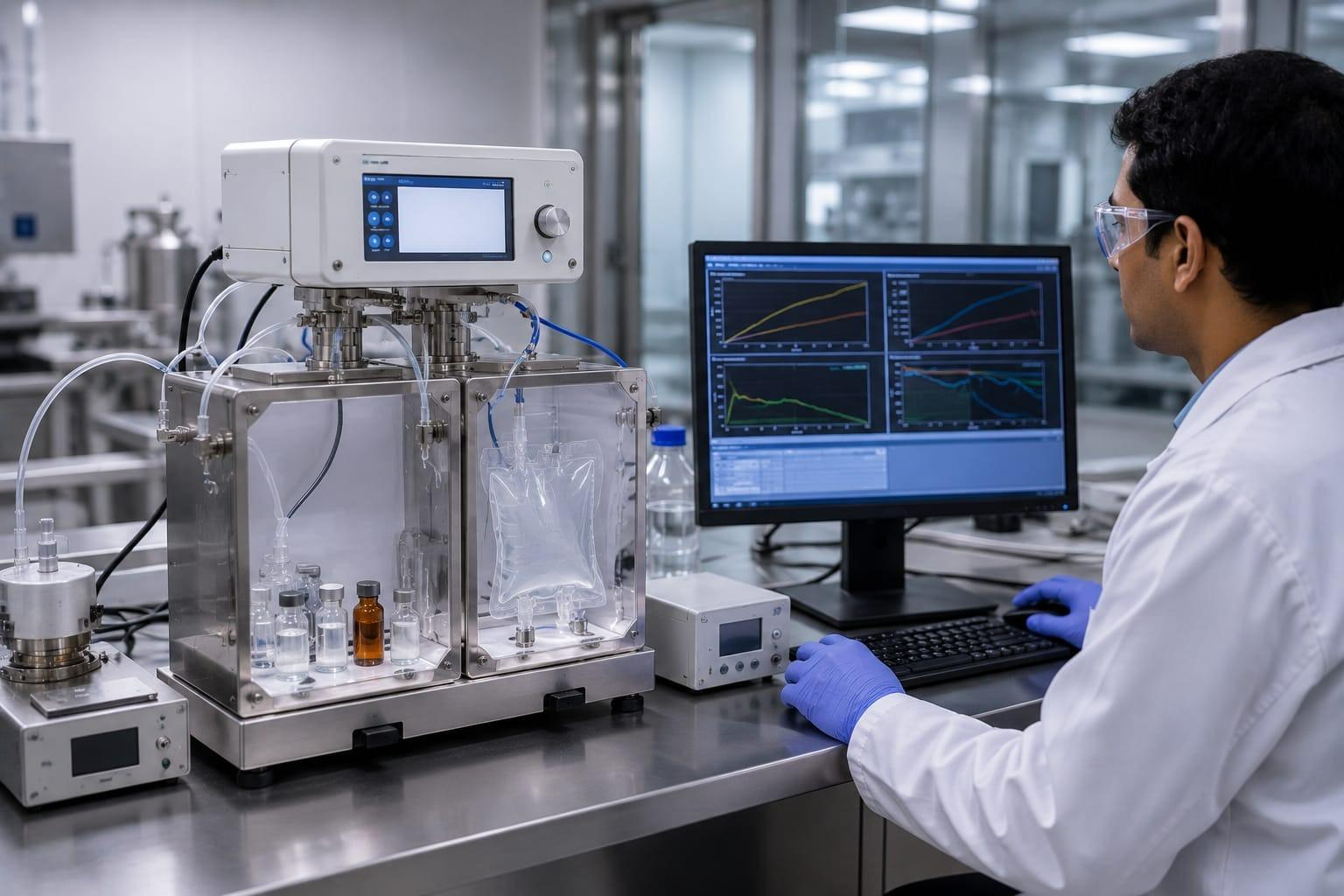
Gujarat, India – Quality checks are an important part of pharmaceutical manufacturing. Medicines and other pharmaceutical products must be checked carefully before they reach patients. Even a small defect in a product or its packaging may affect its quality and safety. This is why pharmaceutical companies need reliable inspection methods and proper training for inspection teams.
Two useful tools in this process are the AVI Challenge Set and the Visual Inspector Challenge Set. Both are designed to support inspection activities, but they serve different purposes. An AVI Challenge Set is used to evaluate automated visual inspection systems, while a Visual Inspector Challenge Set helps assess the skills of people who perform manual visual inspections.
FTI Incorporation supports pharmaceutical quality and inspection activities by providing solutions related to inspection qualification and testing. Understanding how these challenge sets work can help manufacturers build better inspection processes.
What Is an AVI Challenge Set?
An AVI Challenge Set is a collection of test samples used to check the performance of an Automated Visual Inspection (AVI) system. These systems use machines, cameras, lighting, and software to inspect pharmaceutical products for visible defects.
An AVI Challenge Set provides known samples that can be used during system testing. These samples may represent different types of visible defects, depending on the test design and the requirements of the manufacturer.
Why Is an AVI Challenge Set Important?
Automated inspection systems play an important role in modern pharmaceutical production. They can inspect products at high speed and help reduce the need for manual checking. However, a machine should not be considered reliable without proper evaluation.
An AVI Challenge Set can support this process in several ways.
1. Checks System Performance
The challenge set helps manufacturers check whether an automated system can identify the defects included in the test samples. It provides a structured way to review inspection results.
2. Supports System Qualification
Before an automated inspection system is used for routine production, its performance needs to be evaluated. Challenge samples can support qualification activities by providing known test conditions.
3. Helps Identify Weaknesses
Testing may show that a system does not detect certain challenge samples correctly. This information can help the team review machine settings, lighting, camera positions, or inspection parameters.
4. Supports Consistent Inspection
Regular and properly planned testing can help manufacturers understand whether their inspection systems continue to perform as expected.
5. Provides Useful Test Records
Documenting the results of challenge testing helps create a record of system performance. These records can support internal quality reviews and inspection procedures.
What Is a Visual Inspector Challenge Set?
A Visual Inspector Challenge Set is used to assess the ability of people who carry out manual visual inspections. In pharmaceutical manufacturing, trained inspectors may examine products to identify visible defects.
Manual inspection requires focus, proper training, and a clear understanding of the inspection procedure. Inspectors need to know what to look for and how to follow the required inspection conditions.
A Visual Inspector Challenge Set contains samples with known characteristics. These samples allow companies to assess whether an inspector can correctly identify the defects included in the challenge.
Why Is a Visual Inspector Challenge Set Important?
People play an important role in pharmaceutical quality control. Even when inspection procedures are clearly written, inspectors need regular training and performance evaluation.
A Visual Inspector Challenge Set can support this work in different ways.
1. Evaluates Inspector Skills
The challenge set helps assess whether an inspector can identify the test defects presented during an evaluation. It provides a practical way to review inspection skills.
2. Supports Training Programs
New inspectors need proper training before carrying out inspection work. Challenge samples can be used as part of a structured training program to help them understand different defect types.
3. Identifies Training Needs
Test results may show that an inspector has difficulty identifying certain samples. Trainers can use this information to plan further practice and guidance.
4. Encourages Consistent Inspection
A clear evaluation process helps companies review how inspectors perform under defined conditions. It can support more consistent inspection practices across the team.
5. Helps Maintain Inspection Records
Keeping records of training and qualification activities helps companies track inspector performance over time and plan future evaluations.
Difference Between an AVI Challenge Set and a Visual Inspector Challenge Set
Although both challenge sets support pharmaceutical inspection, they are designed for different inspection methods.
An AVI Challenge Set is mainly used to evaluate automated inspection equipment. It helps check whether a machine can identify the defects represented by the test samples.
A Visual Inspector Challenge Set is used to evaluate people who perform manual inspections. It helps assess their ability to recognise the defects included in the test.
The main difference is the inspection method being evaluated. One focuses on machine performance, while the other focuses on human inspection skills.
How to Use Challenge Sets Effectively
Using a challenge set correctly is just as important as selecting the right one. Pharmaceutical companies should follow a planned process that matches their approved procedures and quality requirements.
Here are some important points to consider:
- Define the purpose: Decide whether the evaluation is for an automated system or a manual inspector.
- Select suitable samples: Choose challenge samples that match the intended evaluation and applicable requirements.
- Follow approved procedures: Carry out testing under clearly defined and controlled conditions.
- Record the results: Document the samples used, test conditions, observations, and outcomes.
- Review performance: Study the results to identify any issues or areas that need improvement.
- Plan further training or testing: Use the findings to guide additional training, system adjustments, or follow-up qualification activities where needed.
The testing process should be suitable for the product, inspection method, and quality system. Companies should also follow relevant regulatory guidance and their internal procedures.
Choose FTI Incorporation for Pharmaceutical Inspection Solutions
Selecting suitable inspection and qualification tools is an important step for pharmaceutical manufacturers. The right solutions can help companies assess inspection performance, support training, and maintain organised quality processes.
FTI Incorporation provides solutions for pharmaceutical inspection and qualification needs. Its range of inspection-related products includes options for companies looking to support both automated and manual visual inspection activities.
Whether a manufacturer needs an AVI Challenge Set to evaluate automated inspection equipment or a Visual Inspector Challenge Set to assess manual inspection skills, it is important to understand the purpose of the product before making a selection.
FTI Incorporation focuses on supporting pharmaceutical companies with inspection-related solutions that can fit into their quality and qualification activities.
Conclusion
Visual inspection is an important part of pharmaceutical quality control. Both automated systems and trained inspectors need proper evaluation to help ensure that inspection activities are carried out as expected.
An AVI Challenge Set helps manufacturers assess the performance of automated visual inspection systems. A Visual Inspector Challenge Set helps evaluate the skills of people performing manual inspections. Although their purposes are different, both can support a more organised and reliable inspection process.
Office Address
Head office: Forensic Technological Innovation, Incubated at National Forensic Sciences University, Sector 9, Gandhinagar Gujarat 382007, India.
Manufacturing Unit: Shukan Industrial Park, GIDC, Sector 26, Gandhinagar, Gujarat 382610
USA office: 58 Albert Ct, City: Randolph, State: New Jersey Zip code: 07869 USA
Europe office: Jisperveldstaart, 1024AT, Amsterdam
Contact Us
+91–9638344845
+91–9654428259
+91–8888860585
info@ftinfsu.org
 Greek
 English
 Arabic
 French
 Spanish
 Portuguese
 Deutsch
 Turkish
 Dutch
 Italiano
 Russian
 Romaian
 Portuguese (Brazil)