


How Metal Fabrication Turns Raw Materials Into Useful Structures and Products
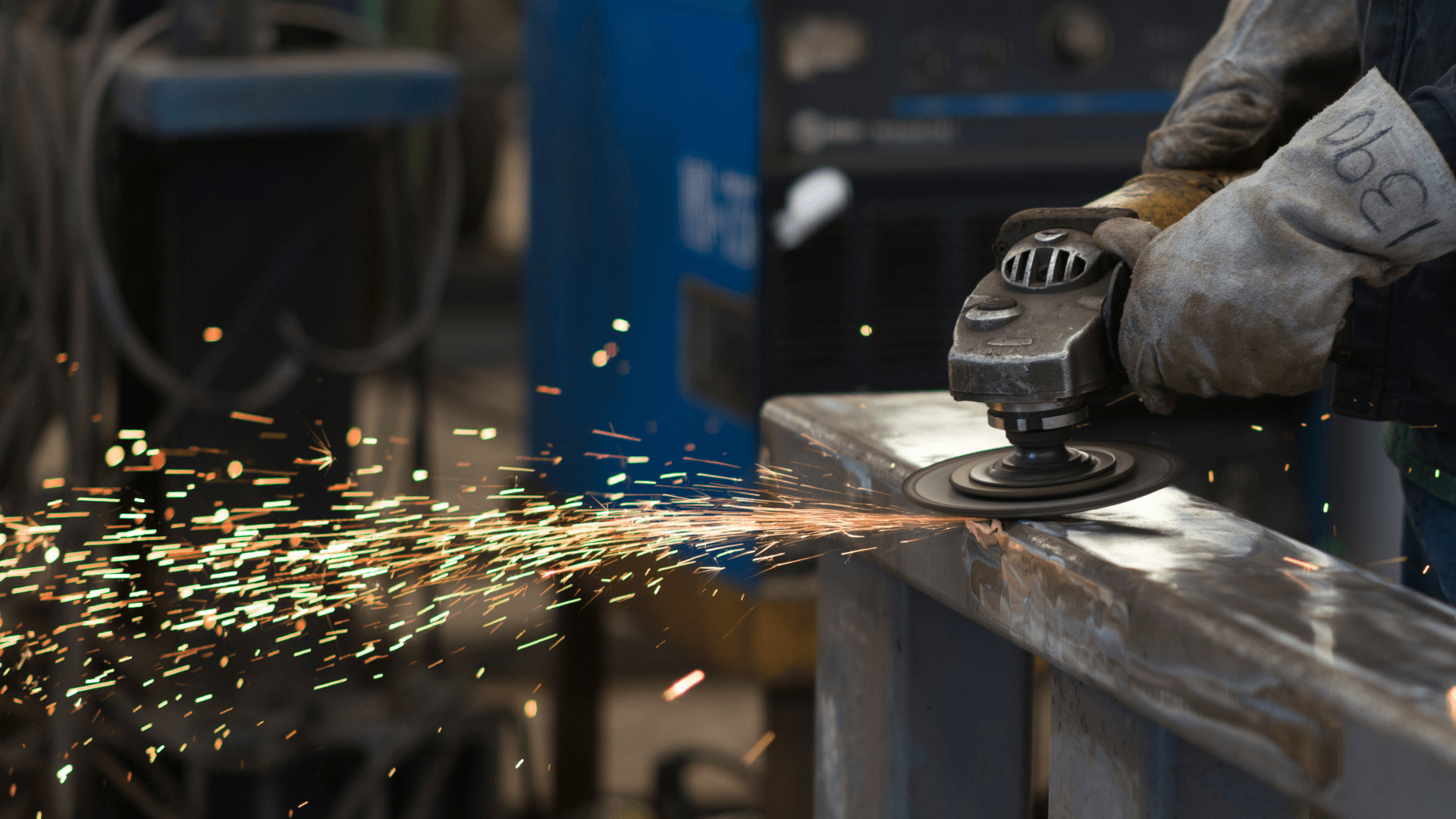
Metal is used in many parts of everyday life, from building frames and gates to machinery, storage units, and decorative features. However, raw metal sheets, bars, and pipes cannot always be used in their original form. They need to be measured, cut, shaped, joined, and finished to meet specific requirements. Metal Fabrication is the process of turning raw metal materials into finished products and structures. It combines practical skills, specialized equipment, and careful planning to create items for residential, commercial, and industrial use. Understanding the different stages of fabrication helps explain why proper measurements, material selection, and workmanship are important for producing strong and functional metal products.
Understanding the Main Stages of Metal Fabrication
Fabrication usually begins with a design or set of measurements that explains the shape, size, and purpose of the finished product. The metal is then prepared and cut into the required pieces. Depending on the project, workers may bend, drill, weld, or assemble the individual sections. The final stage often includes grinding, surface cleaning, painting, or protective coating. Each step must be completed with care because an error during cutting or assembly can affect the entire project. Metal Fabrication requires a clear understanding of the design and the properties of the selected material. Careful planning helps reduce wasted materials and makes it easier to produce components that fit together correctly.
Choosing the Right Metal for Each Project
Different metals have different strengths, weights, appearances, and resistance to environmental conditions. Steel is commonly used for structural frames, brackets, machinery, and heavy-duty equipment because of its strength. Stainless steel is often selected for applications where corrosion resistance and easy cleaning are important. Aluminum is lighter and can be useful for frames, panels, enclosures, and other products where reducing weight matters. The right choice depends on how the finished item will be used, the environment where it will be placed, and the expected load. A Metal Fabrication in Stafford project should begin with material selection that matches its purpose. Choosing an unsuitable metal can affect durability, maintenance needs, and overall performance.
Cutting and Shaping Metal Components
Cutting is one of the first major operations in fabrication. Metal sheets, pipes, bars, and plates must be cut into specific sizes before they can be assembled. Depending on the material and design, fabricators may use saws, shears, plasma cutters, or laser cutting equipment. Shaping may involve bending, rolling, or forming the metal to achieve the required dimensions and angles. Accurate cutting and shaping are important because poorly fitted pieces can create gaps or alignment problems during assembly. Modern Metal Fabrication methods allow many components to be produced with consistent measurements. Proper machine settings and careful handling also help maintain clean edges and reduce material waste.
The Role of Welding in Metal Assembly
Welding joins separate metal pieces to create a single structure or component. It is commonly used for frames, supports, railings, machinery parts, gates, and industrial equipment. Different welding methods are suitable for different metals, thicknesses, and working conditions. The choice depends on the required joint strength, project design, and production needs. Welded areas must be properly prepared and inspected to identify visible defects or weak connections. In Metal Fabrication, welding plays an important role in the strength and stability of the finished product. Proper training, suitable equipment, and appropriate protective measures are necessary to complete welding work safely and produce consistent results.
Creating Custom Metal Products
Not every project can be completed with standard, ready-made components. Some buildings, businesses, and industrial facilities need metal products designed to fit specific dimensions or working conditions. Custom projects may include storage racks, equipment frames, access platforms, protective covers, brackets, gates, and specialized machine components. The design may need to account for available space, installation points, weight requirements, and the way the product will be used. Metal Fabrication makes it possible to create components that match these individual requirements. Accurate drawings and clear measurements help fabricators understand the project and produce items that fit the intended location without unnecessary adjustments.
Applications in Construction and Industrial Work
Metal components are used throughout the construction and manufacturing sectors. Building projects may require support frames, stair structures, railings, roof components, and other fabricated items. Industrial facilities often need machine guards, equipment stands, storage systems, conveyor parts, and maintenance platforms. Agricultural operations may use metal frames, brackets, trailers, and repair components for equipment. Each application has different requirements for strength, size, and exposure to weather or working conditions. Metal Fabrication supports these industries by providing parts and structures made for specific tasks. Correct material selection and careful assembly help ensure that fabricated products are suitable for their intended use.
Surface Finishing and Protection Against Corrosion
After cutting, shaping, and joining, metal products may need surface finishing to improve their appearance and protect them from damage. Grinding can remove rough edges and smooth welded areas, while cleaning prepares the surface for additional treatments. Depending on the application, products may receive paint, powder coating, galvanizing, or another protective finish. These treatments can help reduce corrosion, particularly when metal items are exposed to moisture or outdoor conditions. Finishing requirements should be considered early because they may affect material preparation and project costs. A complete Metal Fabrication process includes attention to the final surface, not just the shape and assembly of the product.
Quality Checks and Workplace Safety
Quality checks help confirm that fabricated products match the required measurements and design. Workers may inspect dimensions, joint alignment, weld appearance, surface condition, and the overall fit of assembled components. More demanding projects may require additional testing based on engineering specifications and industry requirements. Safety is equally important throughout the process. Cutting machines, welding equipment, sharp edges, heavy materials, and hot surfaces can create workplace hazards. Proper protective equipment, machine guards, ventilation, and safe material-handling procedures help reduce these risks. Metal Fabrication facilities need suitable safety practices to protect workers and maintain consistent production standards.
Factors That Affect Fabrication Costs and Project Timelines
The cost of a fabrication project depends on several factors, including metal type, material thickness, design complexity, dimensions, finishing requirements, and the amount of labor involved. Custom designs may require additional planning, specialized cutting, or more detailed assembly. Larger projects can also involve material transportation, installation, and extra quality checks. Project timelines depend on material availability, equipment requirements, production workload, and the number of fabrication stages. Providing accurate drawings and measurements can help reduce delays and avoid unnecessary changes. Before starting a Metal Fabrication project, it is useful to establish the required specifications, expected finish, budget, and delivery schedule so that everyone understands the work involved.
Metal fabrication supports a wide range of construction, manufacturing, repair, and custom production needs. From simple brackets and frames to complex industrial components, each product requires the right materials, accurate measurements, suitable equipment, and careful assembly. Cutting, shaping, welding, finishing, and inspection all contribute to the final result. Choosing fabrication methods based on the project's purpose can help reduce waste and improve the usefulness of the finished product. With proper planning and attention to safety, Metal Fabrication can turn basic metal materials into durable products designed for specific residential, commercial, and industrial applications.
 Portuguese
 English
 Arabic
 French
 Spanish
 Deutsch
 Turkish
 Dutch
 Italiano
 Russian
 Romaian
 Portuguese (Brazil)
 Greek