


The Hidden Cost of Connected Workplaces: Is Your Business Ready for Modern Data Leak Protection?
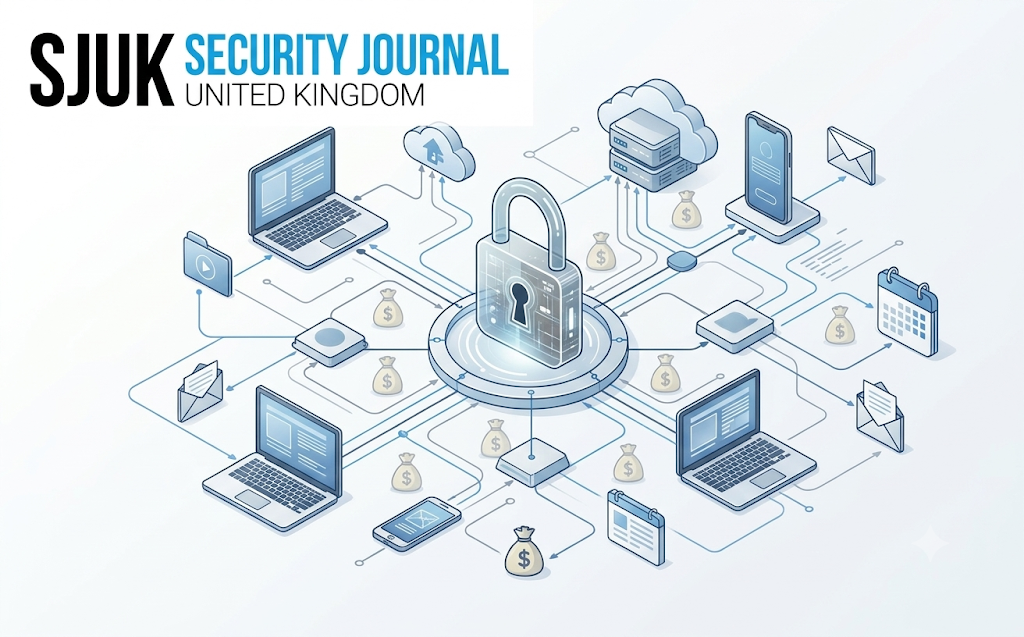
Modern workplaces are becoming increasingly connected. Employees access business information through cloud platforms, mobile devices, collaboration applications and remote networks. While these technologies improve productivity, they also create additional opportunities for confidential information to become exposed.
The growing number of digital connections means businesses must rethink how they manage sensitive information. Traditional security measures may not provide sufficient visibility when employees, contractors and external partners access company data from different locations.
This is where data leak protection becomes an important part of modern business security. Organisations need strategies that identify how information moves, who can access it and what happens when sensitive files are shared beyond authorised environments.
The Growing Security Challenge of Connected Workplaces
The modern workplace no longer operates within a single office network. Employees regularly switch between corporate laptops, personal smartphones, cloud storage platforms and remote working environments.
Although these arrangements offer flexibility, they can make information management more complicated. A document downloaded onto an unmanaged device or shared through an unsecured channel may create an exposure risk.
Businesses must therefore understand that workplace connectivity extends beyond network protection. Security teams need visibility into user activity, file transfers, application permissions and access patterns.
Effective data leak protection requires a broader understanding of how information travels throughout the workplace rather than focusing exclusively on external cyberattacks.
Why Traditional Security Measures Are Not Enough
Firewalls and antivirus software remain valuable security components, but they do not address every situation involving information exposure.
For example, an employee may unintentionally send a confidential document to the wrong recipient. Another individual might upload internal files to an unauthorised cloud storage service. These incidents may occur without malware or an external attacker entering the network.
This highlights the importance of combining network security with endpoint monitoring, identity management and information access controls.
Businesses should evaluate whether their existing security arrangements can detect unusual file transfers, prevent unauthorised downloads and identify inappropriate access to confidential information.
Understanding the Role of Employee Access Management
Employees require access to information to perform their responsibilities. However, unrestricted permissions can increase the consequences of compromised accounts and accidental disclosures.
A role-based access control strategy helps businesses limit information availability according to job responsibilities. Employees should only access the files and systems necessary for their work.
Multi-factor authentication can provide another layer of protection by requiring additional verification before granting access.
Regular permission reviews are equally important. When employees change roles or leave an organisation, their previous access privileges should be reviewed and adjusted.
These measures strengthen data leak protection by reducing unnecessary access to sensitive business information.
Cloud Collaboration Creates New Exposure Risks
Cloud-based collaboration has transformed how teams communicate and exchange information. Employees can work on shared documents, transfer large files and access business resources from almost anywhere.
However, convenience can sometimes encourage unsafe sharing practices.
Publicly accessible links, excessive permissions and poorly configured storage environments can expose confidential information. Businesses should regularly examine their cloud configurations and establish clear rules for external file sharing.
Automated monitoring can also help identify unusual downloads, suspicious sharing activity and unexpected changes to document permissions.
An effective cloud security strategy should balance accessibility with accountability. Employees need convenient tools, but those tools must operate within clearly defined security boundaries.
The Importance of Continuous Monitoring
Security risks can develop gradually. A user account may begin accessing unusual amounts of information, or a previously inactive device may suddenly initiate large file transfers.
Continuous monitoring helps security teams recognise these patterns before they develop into serious incidents.
Businesses can use data loss prevention technologies, security information monitoring and endpoint detection capabilities to identify suspicious behaviour.
However, monitoring should be supported by clear policies and appropriate privacy safeguards. Employees should understand what activity is monitored and why these controls are necessary.
Modern data leak protection should focus on identifying genuine risks while avoiding unnecessary disruption to everyday business operations.
Building a Stronger Workplace Security Strategy
Businesses can strengthen information security through several practical measures:
-
Classify sensitive information: Identify confidential, financial, personal and operational data so appropriate safeguards can be applied.
-
Review access permissions: Remove unnecessary privileges and regularly examine user access.
-
Secure employee devices: Apply encryption, authentication and endpoint security controls.
-
Establish sharing policies: Define acceptable methods for transferring confidential files.
-
Train employees: Explain how accidental disclosures, suspicious links and unsafe applications create risks.
-
Test incident response procedures: Ensure security teams understand how to investigate and contain exposure incidents.
These measures create a more consistent approach to protecting information across connected working environments.
Preparing for the Future of Connected Work
Workplace technology will continue to evolve through automation, artificial intelligence, cloud adoption and increasingly flexible working arrangements.
As these developments accelerate, businesses will need stronger visibility into how information is created, stored and transferred.
Security teams should regularly assess emerging technologies before introducing them into everyday operations. New applications must be evaluated for their access requirements, storage practices and potential exposure risks.
Industry discussions, including those followed by Security Journal UK, continue to highlight the importance of adapting security strategies to changing business environments.
Ultimately, data leak protection is not simply a technical requirement. It is an ongoing responsibility involving technology, employee behaviour, governance and organisational accountability.
Businesses that understand their information flows and establish appropriate controls will be better positioned to protect valuable data while maintaining the flexibility of connected workplaces.
Frequently Asked Questions
1. What is data leak protection?
It refers to the policies, technologies and processes used to prevent confidential information from being exposed, transferred or accessed without authorisation.
2. Why are connected workplaces more vulnerable to data exposure?
They involve multiple devices, cloud applications, remote connections and external sharing arrangements, increasing the number of potential exposure points.
3. How does employee access management improve security?
It limits access to sensitive information according to job responsibilities, reducing unnecessary exposure.
4. What role does cloud monitoring play in information security?
It helps identify unusual downloads, unsafe sharing permissions and suspicious activity across cloud environments.
5. How often should businesses review their information security policies?
Policies should be reviewed regularly and whenever significant changes occur in technology, working arrangements or business operations.
 Romaian
 English
 Arabic
 French
 Spanish
 Portuguese
 Deutsch
 Turkish
 Dutch
 Italiano
 Russian
 Portuguese (Brazil)
 Greek