


Why Children and Adults Can Benefit from Dental Sealants
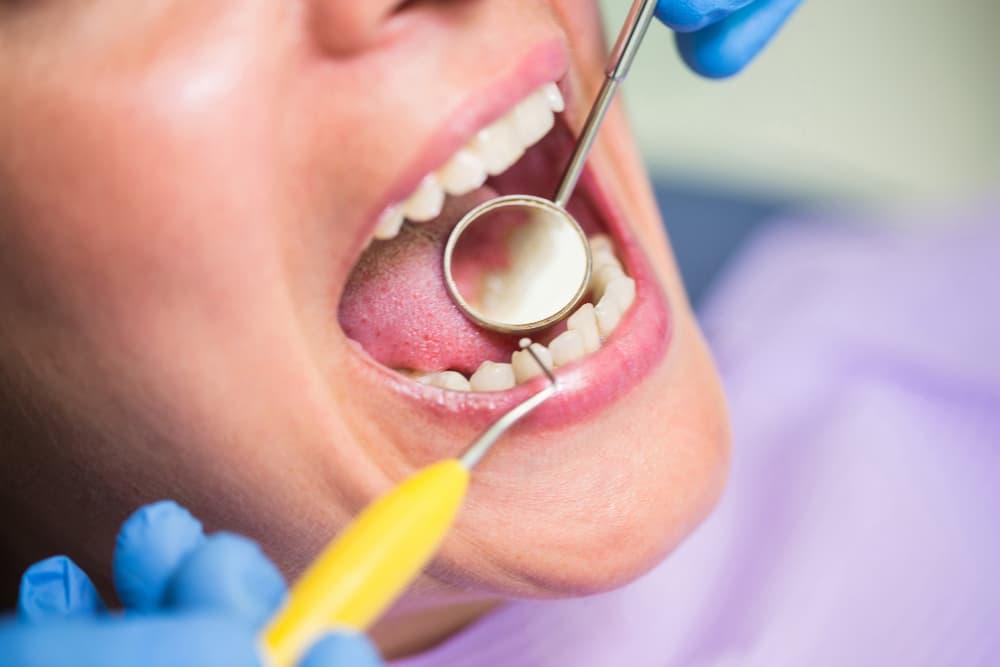
Maintaining healthy teeth requires consistent oral hygiene, balanced nutrition, and regular professional dental examinations. However, even individuals who brush and floss properly may experience cavities in areas that are difficult to clean, particularly the grooves of back teeth. Preventive dentistry offers several solutions to reduce these risks and protect natural tooth surfaces. Dental sealants are one such preventive option that helps create a protective barrier against food particles and harmful bacteria. They can benefit both children and adults by supporting long-term oral health and reducing the likelihood of tooth decay.
What Are Dental Sealants?
Dental sealants are thin protective coatings applied to the chewing surfaces of back teeth, especially molars and premolars. These teeth often contain deep grooves and small pits where food particles and plaque can accumulate. Because these areas can be difficult to clean thoroughly, they may become more vulnerable to cavities. Sealants cover these vulnerable surfaces and create a smoother protective layer. The material is generally tooth colored or transparent, allowing it to blend naturally with the existing teeth while supporting preventive dental care.
How Sealants Protect Natural Teeth
The primary purpose of dental sealants is to prevent bacteria and food particles from collecting in the deep grooves of teeth. When properly applied, the coating creates a barrier that makes these surfaces easier to keep clean. This reduces opportunities for cavity causing bacteria to remain trapped in difficult areas. Sealants work alongside regular brushing, flossing, and fluoride exposure rather than replacing these habits. Their protective function can be particularly useful for newly erupted permanent molars, which are often more vulnerable to decay.
Materials Used in Dental Sealants
Dental sealants are commonly made from specialized dental resin materials or glass ionomer materials. Resin based sealants are widely used because they can bond effectively to properly prepared tooth surfaces. Glass ionomer options may be considered in certain situations, depending on moisture control and the patient's dental condition. The selected material depends on professional evaluation, tooth eruption, and individual treatment requirements. Dental professionals explain the available choices and determine which material is appropriate for providing protection while maintaining the health of natural tooth structures.
Why Children Benefit From Dental Sealants
Children are particularly vulnerable to cavities because their newly erupted permanent molars often have deep grooves that collect food and bacteria. Young children may also find it difficult to maintain consistent brushing and flossing habits without adult supervision. Sealants provide an additional layer of protection during important stages of dental development. Applying them at an appropriate time can help reduce the risk of decay in vulnerable back teeth. Preventive dental visits also allow professionals to monitor tooth development and recommend other protective treatments when needed.
Protecting Newly Erupted Permanent Molars
Permanent molars generally emerge during childhood and play an important role in chewing and maintaining dental alignment. Their chewing surfaces may contain narrow grooves that are difficult to clean effectively. Sealants can protect these areas soon after the teeth fully emerge, provided they are suitable for treatment. Early protection may help prevent cavities before significant damage develops. Dental professionals examine the eruption stage and tooth condition before recommending application. Timely preventive treatment can support healthier permanent teeth throughout adolescence and adulthood.
Supporting Better Childhood Oral Health
Establishing healthy dental habits during childhood can influence oral health throughout life. Sealants provide additional protection while children learn to brush correctly, floss regularly, and make healthier food choices. Parents can support these habits by arranging routine examinations and supervising daily cleaning activities. Dental professionals may also explain the importance of limiting sugary snacks and maintaining adequate fluoride exposure. Combining sealants with consistent home care helps create a stronger preventive approach and reduces the likelihood of childhood cavities requiring restorative procedures.
Can Adults Also Benefit From Dental Sealants?
Dental sealants are not limited to children because certain adults may also have tooth surfaces that are vulnerable to decay. Adults with deep molar grooves, a history of cavities, or difficulty cleaning particular areas may benefit from professional evaluation. However, sealants are generally more effective when applied to healthy tooth surfaces without existing decay or extensive restorations. Dental professionals assess each tooth before recommending treatment. Individual oral health conditions, previous dental work, and cavity risk help determine whether sealants are an appropriate preventive option.
Protecting Cavity Prone Adult Teeth
Some adults continue to experience cavities in the grooves of their molars despite maintaining regular oral hygiene habits. This may happen because certain tooth surfaces naturally contain deeper pits that are difficult to clean. Sealants can provide additional protection when these areas are suitable for application. Adults with previous decay may require closer monitoring and other preventive measures alongside sealants. Professional assessment helps identify vulnerable surfaces and determine whether protective coatings can contribute to reducing future cavity risks.
Preventing Further Tooth Damage
Preventing cavities is important because untreated decay can gradually damage enamel and affect deeper tooth structures. Early preventive care may reduce the need for fillings, crowns, or more complicated restorative procedures. Sealants can help protect selected chewing surfaces, particularly when combined with fluoride treatment and consistent oral hygiene. Adults should continue attending routine dental appointments because sealants do not protect every tooth surface. Regular examinations allow dental professionals to identify new concerns and check whether existing protective coatings remain intact.
The Dental Sealant Application Process
Applying dental sealants is generally a straightforward preventive procedure that does not usually require drilling or removing healthy tooth structure. The process begins with an examination to confirm that the selected teeth are suitable for treatment. Dental professionals then clean and prepare the chewing surfaces before applying the protective material. A curing light may be used to harden certain sealants. The procedure is usually completed within a short appointment, making it a convenient preventive option for many children and adults.
Cleaning and Preparing the Teeth
Before applying sealants, the dental professional thoroughly cleans the selected tooth surfaces to remove plaque, food particles, and other deposits. The teeth are then dried, and the surrounding area is kept as moisture free as possible. In many cases, a conditioning solution is applied briefly to prepare the enamel for bonding. This preparation helps the sealant attach properly to the tooth surface. Careful cleaning and isolation are important because contamination during application can affect how effectively the material bonds.
Applying and Hardening the Sealant
After preparation, the dental professional places the liquid sealant material into the grooves and pits of the selected teeth. The material spreads across the chewing surface and fills small spaces that may otherwise collect food particles. Depending on the product used, a special curing light may harden the coating within a short time. Once the material sets, the professional checks its coverage and bite contact. Minor adjustments may be made to ensure that the treated tooth feels comfortable during normal chewing.
Major Benefits of Dental Sealants
Dental sealants offer several preventive advantages for individuals who are at increased risk of developing cavities in the back teeth. Their protective coating helps limit the accumulation of food particles and bacteria in deep grooves. The procedure is generally comfortable, minimally invasive, and suitable for many children and adults. Sealants can also reduce the need for certain restorative treatments when used as part of a broader prevention strategy. Their effectiveness depends on proper application, regular monitoring, and continued daily oral hygiene.
Reducing the Risk of Tooth Decay
One of the main advantages of sealants is their ability to protect vulnerable chewing surfaces from cavity causing bacteria. Deep molar grooves can be difficult to clean, allowing plaque to remain in small spaces. By covering these areas, sealants create a smoother surface that is easier to maintain. This can reduce the likelihood of decay developing in treated grooves. However, cavities may still form elsewhere, so patients should continue brushing, flossing, using fluoride toothpaste, and attending regular examinations.
Supporting Long Term Dental Health
Preventive treatments can contribute to long-term oral health by reducing avoidable damage to natural teeth. Sealants may help preserve healthy enamel during important developmental stages and support adults with cavity prone molars. Preventing decay can also reduce the likelihood of needing more extensive dental procedures in the future. Their benefits are greatest when patients maintain consistent oral hygiene and attend follow-up appointments. Dental professionals can check the coating periodically and recommend repairs or replacement if the protective material becomes worn.
Are Dental Sealants Safe?
Dental sealants have been widely used in preventive dentistry for many years and are generally considered safe when applied appropriately by qualified dental professionals. The materials are designed specifically for use on tooth surfaces and are selected according to clinical requirements. As with other dental procedures, individual circumstances should be considered before treatment. Patients or parents can discuss material choices, possible concerns, and expected benefits during an appointment. A professional examination helps determine whether sealants are suitable for the patient's oral health condition.
Understanding Possible Side Effects
Most patients tolerate sealant application well, and significant complications are uncommon. Occasionally, a newly applied coating may feel slightly uneven until the dental professional checks and adjusts the bite. If the material becomes damaged or partially detached, the treated tooth may require reassessment. Patients should report discomfort or unusual changes after treatment rather than attempting to adjust the coating themselves. Professional monitoring helps identify problems early and ensures that sealants continue providing appropriate protection to vulnerable tooth surfaces.
Importance of Professional Application
Proper application is essential for achieving reliable protection because sealants must bond effectively to clean, prepared tooth surfaces. Excess moisture or inadequate preparation can affect how well the material attaches. Dental professionals use appropriate techniques and equipment to ensure suitable coverage and check the final result. They also evaluate whether the tooth has existing decay or other conditions requiring different treatment. Professional application helps ensure that the procedure is appropriate and that patients receive guidance about maintaining their treated teeth.
How Long Do Dental Sealants Last?
Dental sealants can provide protection for several years, although their lifespan varies according to material, chewing habits, tooth condition, and daily oral care. Some coatings remain intact for a long time, while others may gradually wear down or become partially detached. Regular dental examinations allow professionals to check their condition and determine whether repairs or replacement are necessary. Patients should understand that sealants are not permanent restorations and require periodic monitoring to maintain their protective function.
Factors That Affect Sealant Durability
Several factors influence how long a sealant remains effective. Frequent chewing of hard foods, teeth grinding, and normal wear can gradually affect the protective coating. The quality of the initial application and the condition of the tooth surface also play important roles. Patients who maintain good oral hygiene and attend regular examinations may have a better opportunity to preserve their sealants. Dental professionals can identify worn areas and recommend suitable maintenance before the protective layer becomes significantly compromised.
When Sealants Need Replacement
Sealants may require repair or replacement when they become chipped, worn, or partially detached from the tooth surface. During routine examinations, dental professionals inspect the coating and check whether the underlying enamel remains protected. If a section is missing, additional material may be applied after appropriate preparation. Replacement decisions depend on the condition of the tooth and the remaining sealant. Regular monitoring helps ensure that vulnerable grooves continue receiving protection and reduces the possibility of unnoticed decay developing beneath damaged areas.
Dental Sealants Compared With Other Preventive Treatments
Sealants are one part of a comprehensive preventive dental care plan. Other treatments, including fluoride applications and professional cleaning, also help protect teeth against cavities and gum problems. Although these procedures serve different purposes, they can complement each other when recommended according to individual needs. Sealants mainly protect the chewing surfaces of selected back teeth, while fluoride helps strengthen enamel across a wider area. Professional cleaning removes plaque and tartar. Combining suitable preventive treatments can provide broader protection for natural teeth.
Difference Between Sealants and Fluoride Treatment
Dental sealants and fluoride treatments protect teeth through different mechanisms. Sealants create a physical barrier over the grooves of selected teeth, reducing the accumulation of food particles and bacteria. Fluoride helps strengthen enamel and improves its resistance to acid attacks. It may be delivered through toothpaste, mouth rinses, or professional applications. Depending on cavity risk and tooth development, dental professionals may recommend both treatments. Their combined use can support preventive care, particularly for children and individuals who are more susceptible to tooth decay.
Combining Sealants With Professional Cleaning
Professional cleaning helps remove plaque and hardened tartar from areas that ordinary brushing cannot clean effectively. Sealants provide additional protection by covering vulnerable grooves on selected tooth surfaces. These treatments serve different purposes but can work together as part of a preventive care strategy. A dental professional may recommend cleaning before applying sealants to ensure that the tooth surfaces are properly prepared. Routine examinations help monitor both general oral cleanliness and the condition of existing protective coatings.
Maintaining Healthy Teeth After Sealant Application
Receiving dental sealants does not eliminate the need for daily oral hygiene or regular professional care. Patients should continue brushing twice daily with fluoride toothpaste and cleaning between their teeth every day. A balanced diet and reduced consumption of sugary snacks can also help prevent cavities. Children may need parental supervision to develop effective cleaning habits, while adults should maintain consistent routines according to their dental needs. Regular examinations allow professionals to evaluate the sealants and identify any additional preventive requirements.
Developing Consistent Oral Hygiene Habits
Consistent oral hygiene helps protect all tooth surfaces, including those covered by sealants. Patients should use a soft bristled toothbrush and clean every area carefully without applying excessive pressure. Daily flossing removes plaque and food particles from spaces between teeth that sealants do not cover. Cleaning the tongue may also help reduce bacteria associated with unpleasant breath. These simple habits support healthier gums, stronger enamel, and better overall oral cleanliness. Following professional instructions helps maintain the benefits of preventive dental treatment.
Choosing Tooth Friendly Eating Habits
Dietary choices have a significant influence on cavity development and enamel health. Frequent consumption of sugary snacks and sweetened beverages provides bacteria with substances that contribute to acid production. Limiting these foods and choosing balanced meals can help reduce dental risks. Dairy products, vegetables, fruits, and water can support general nutritional and oral health needs. Sticky sweets may also remain trapped around teeth for longer periods. Making thoughtful food choices complements sealants and other preventive measures while supporting healthier teeth.
Choosing the Right Dental Professional for Sealant Treatment
Selecting an appropriate dental professional is important when considering preventive treatments for children or adults. Patients should look for suitable qualifications, experience in preventive dentistry, hygienic facilities, and clear communication. A dental professional should examine the teeth before recommending sealants and explain whether the procedure is appropriate for each selected surface. Parents may also ask about material choices, application methods, and follow-up requirements. Understanding these details helps families make informed decisions and maintain confidence in their preventive dental care.
Importance of Regular Dental Assessments
Regular dental assessments help determine whether sealants are necessary and whether existing coatings remain effective. During these appointments, professionals examine tooth surfaces, check for early signs of decay, and evaluate gum health. They may also recommend fluoride treatment or other preventive services according to individual cavity risk. Children benefit from monitoring as permanent teeth emerge, while adults may require assessments based on previous dental problems. Consistent examinations help ensure that preventive care remains suitable as oral health needs change.
Personalized Preventive Dental Care
A personalized preventive plan considers age, cavity history, enamel condition, oral hygiene habits, and individual risk factors. Some patients may benefit from sealants on newly erupted molars, while others may require fluoride applications or more frequent professional cleaning. Dental professionals explain these options and recommend appropriate combinations according to clinical findings. This approach avoids unnecessary procedures while focusing on areas that need additional protection. Personalized care encourages better oral health decisions and supports the preservation of natural teeth throughout life.
Conclusion
Dental sealants provide a useful preventive option for protecting cavity prone tooth surfaces in both children and adults. By covering deep grooves in molars, they help reduce food and bacterial accumulation while supporting healthier enamel. Their benefits are strongest when combined with regular dental examinations, professional cleaning, fluoride exposure, and consistent home oral hygiene. Understanding the application process, durability, and maintenance requirements helps patients make informed decisions about treatment. Individuals seeking preventive dental guidance and professional oral healthcare can consider Clove Dental Riverpark for support in maintaining healthy teeth and protecting smiles at every age.
 Romaian
 English
 Arabic
 French
 Spanish
 Portuguese
 Deutsch
 Turkish
 Dutch
 Italiano
 Russian
 Portuguese (Brazil)
 Greek