


Understanding the Procedures Performed by Oral Surgeons Riverpark
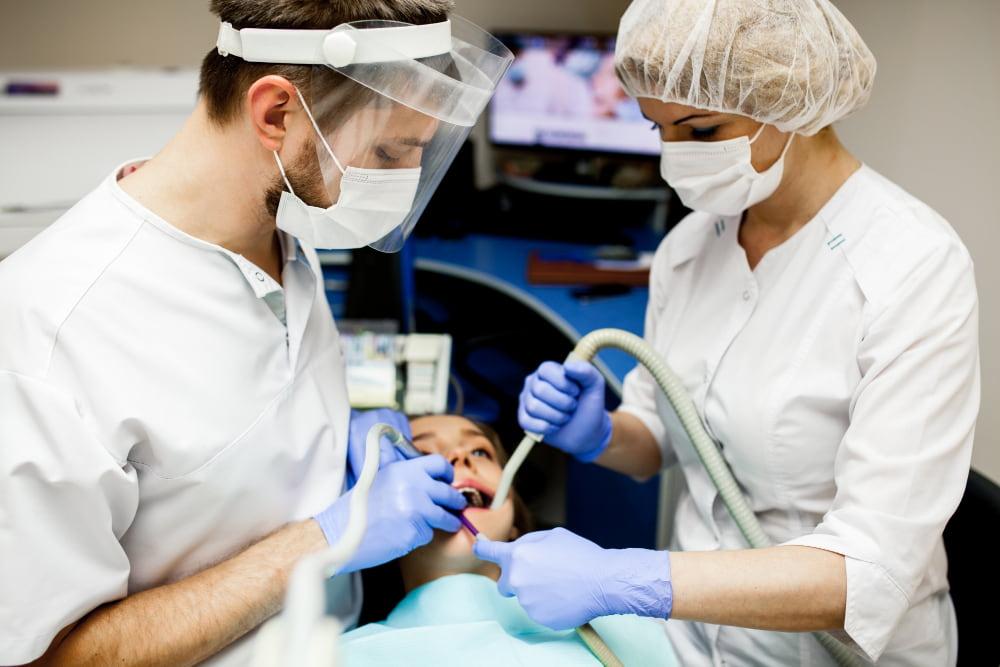
Oral health sometimes requires specialised procedures that go beyond routine dental examinations, fillings, and preventive treatments. Certain conditions involving impacted teeth, jaw irregularities, facial injuries, and complex infections may require advanced surgical care. Understanding these procedures helps patients recognise when specialist attention may be necessary and what they can expect during treatment. Consulting Oral Surgeons riverpark can help individuals explore appropriate solutions for complex dental concerns while receiving guidance about preparation, recovery, and long term oral health. Learning about common oral surgery procedures also allows patients to make informed decisions about their dental treatment.
What Is an Oral Surgeon?
An oral surgeon is a dental specialist trained to diagnose and manage conditions affecting the mouth, teeth, jaws, and surrounding facial structures. Oral and maxillofacial surgeons receive advanced education in surgical procedures involving both hard and soft tissues. Their work may include removing impacted teeth, treating oral infections, placing dental implants, and correcting certain jaw conditions. Some procedures are performed under local anaesthesia, while others may require sedation or general anaesthesia depending on their complexity. These specialists coordinate treatment carefully to address individual needs and support safe recovery.
Common Procedures Performed by Oral Surgeons
Wisdom Teeth Removal
Wisdom teeth removal is one of the most frequently performed oral surgery procedures. These third molars usually emerge during late adolescence or early adulthood, although their development varies between individuals. Sometimes, there is insufficient space for them to grow normally, causing them to become impacted beneath the gums or against neighbouring teeth. This may lead to pain, swelling, infection, or difficulty cleaning the surrounding area. An oral surgeon evaluates the tooth position through examination and dental imaging before recommending removal when necessary.
Corrective Jaw Surgery
Corrective jaw surgery, also called orthognathic surgery, addresses certain structural problems involving the upper jaw, lower jaw, or both. These conditions may affect chewing, speaking, breathing, facial balance, and bite alignment. Surgery may be considered when significant jaw discrepancies cannot be corrected through orthodontic treatment alone. The procedure involves repositioning the affected jaw structures according to a carefully developed treatment plan. Oral surgeons often work alongside orthodontists to coordinate preparation and recovery. Detailed assessments and imaging help determine whether corrective surgery is appropriate for the patient's condition.
Understanding the Importance of Oral Surgery
Treating Complex Dental Conditions
Some dental problems involve structures that cannot be adequately treated through routine procedures. Deeply impacted teeth, complicated infections, cysts, and significant jaw abnormalities may require specialist evaluation. Oral surgeons have the training and equipment needed to manage these concerns through appropriate surgical techniques. Early assessment can help prevent certain conditions from progressing and affecting nearby teeth or bone. Treatment recommendations depend on the severity of the problem, the patient's general oral health, and available alternatives. A detailed consultation helps establish the most suitable approach.
Preserving Oral Function
The teeth, gums, jawbones, and surrounding tissues work together to support chewing, speaking, and other everyday activities. Certain conditions can interfere with these functions and cause persistent discomfort. Oral surgery may help restore function by removing problematic teeth, treating damaged tissues, or correcting structural abnormalities. The primary objective is to improve oral health while preserving healthy structures whenever possible. Specialists carefully assess how a proposed procedure may affect surrounding tissues and long term function before proceeding with treatment.
Reducing the Risk of Further Complications
Untreated dental infections, impacted teeth, and certain abnormal growths can sometimes lead to additional oral health problems. Depending on the underlying condition, these concerns may affect neighbouring teeth, surrounding bone, or soft tissues. Surgical treatment may be recommended to remove the source of the problem and reduce the risk of further damage. However, not every dental condition requires surgery. A specialist evaluates the available treatment options and explains the possible benefits and risks before recommending an intervention.
Diagnostic Procedures Before Oral Surgery
Clinical Examination
Before recommending surgery, an oral surgeon performs a detailed examination of the patient's mouth, teeth, gums, and jaw. The assessment may include reviewing symptoms, identifying swelling, checking tooth mobility, and evaluating bite relationships. The specialist also considers existing dental restorations, previous procedures, and relevant medical history. This information helps determine the possible cause of the problem and whether surgical treatment is appropriate. Patients should explain any medications, allergies, or previous reactions to anaesthesia during the consultation to support safe treatment planning.
Dental X Rays and Imaging
Dental imaging provides important information about structures that cannot be examined directly. Conventional dental X rays may help identify tooth positions, root shapes, bone conditions, and certain infections. More complex cases may require three dimensional imaging, such as cone beam computed tomography, to evaluate anatomical details. These images help specialists understand the relationship between teeth, nerves, sinuses, and surrounding bone. Accurate imaging supports treatment planning and helps identify possible complications before surgery. The type of imaging depends on the clinical requirements of each patient.
Developing a Personalised Treatment Plan
After reviewing examination findings and diagnostic images, the oral surgeon develops a treatment plan based on the patient's individual needs. The plan may include the recommended procedure, anaesthesia options, preparation instructions, and expected recovery considerations. Alternative treatments may also be discussed when available. Patients should have an opportunity to ask questions about the procedure, potential risks, and expected outcomes. A clear treatment plan helps establish realistic expectations and ensures that important details are understood before the surgical appointment.
Anaesthesia and Comfort During Oral Surgery
Local Anaesthesia
Local anaesthesia is commonly used for many dental surgical procedures. It temporarily numbs the treatment area, helping prevent pain while the specialist performs the procedure. Patients generally remain awake and can respond to instructions throughout treatment. The amount and type of anaesthetic depend on the procedure and individual requirements. Some patients may experience pressure or movement sensations even when the area is numb. The dental team monitors comfort and can provide additional anaesthesia when clinically necessary.
Sedation Dentistry
Sedation may be considered for patients experiencing significant dental anxiety or undergoing procedures that require additional comfort management. Depending on the clinical situation, options may include inhaled sedation, oral medication, or intravenous sedation. These approaches differ in their effects and monitoring requirements. The specialist reviews the patient's health history and procedure complexity before recommending an appropriate option. Patients must follow specific preparation and transportation instructions when sedation is planned. Sedation does not replace local anaesthesia when numbing the surgical area is required.
General Anaesthesia
General anaesthesia may be recommended for selected complex procedures or specific patient circumstances. It produces a controlled state of unconsciousness under the supervision of qualified anaesthesia professionals. This option is generally reserved for cases where the procedure or patient's needs make other approaches less suitable. Before treatment, the medical team evaluates health history, medications, and possible anaesthesia risks. Patients receive detailed instructions about fasting, medication management, and recovery arrangements. Careful monitoring continues throughout the procedure and during the initial recovery period.
Preparing for an Oral Surgery Procedure
Sharing Medical Information
Patients should provide complete and accurate medical information before undergoing oral surgery. Details about existing health conditions, allergies, medications, previous operations, and anaesthesia reactions can influence treatment planning. Certain medications may require special consideration, although patients should never stop prescribed medication without professional advice. The oral surgeon may coordinate with the patient's physician when additional medical guidance is necessary. Providing accurate information helps the treatment team identify potential risks and make appropriate arrangements before the procedure.
Following Preoperative Instructions
Preparation requirements vary depending on the type of surgery and anaesthesia. Patients receiving local anaesthesia may have different instructions from those undergoing sedation or general anaesthesia. They should follow all guidance concerning food, drinks, medication, oral hygiene, and arrival arrangements. If fasting is required, the specified time should be followed carefully. Patients should also arrange transportation when advised, particularly if sedative medication will affect alertness. Following preparation instructions helps support a safer and more organised treatment experience.
Planning for Recovery
Preparing for recovery before surgery can make the healing period more manageable. Patients may need soft foods, prescribed medications, cold packs, and suitable supplies at home. They should understand when normal activities can resume and whether time away from work or school may be necessary. Individuals undergoing more extensive procedures may require assistance with transportation and everyday tasks during initial recovery. Discussing these arrangements beforehand helps reduce unnecessary stress and allows patients to concentrate on following postoperative instructions.
What Happens During the Oral Surgery Procedure?
The exact surgical process depends on the condition being treated and the complexity of the planned procedure. Generally, the specialist first confirms the treatment area and administers the selected anaesthesia. The surgical site is prepared using appropriate infection control measures. The oral surgeon then performs the required procedure using specialised instruments and techniques. Depending on the treatment, this may involve removing a tooth, repositioning tissue, placing an implant, or correcting a jaw structure. After completing the procedure, the specialist provides instructions and explains what to expect during recovery.
Recovery and Aftercare Following Oral Surgery
Managing Swelling and Discomfort
Some swelling, tenderness, and mild bleeding can occur after oral surgery, depending on the procedure. Patients may be advised to apply cold packs during the initial recovery period and take recommended medication according to instructions. Rest is important, particularly after more extensive treatment. Physical exertion should be avoided for the period recommended by the surgical team. Discomfort generally improves as healing progresses, although recovery varies between individuals. Severe or worsening pain should be reported to the dental professional rather than managed through self medication.
Maintaining Oral Hygiene
Keeping the mouth clean supports healing and helps reduce the risk of infection. However, the surgical area may require special care during the initial recovery period. Patients should follow instructions about brushing, rinsing, and avoiding direct contact with the wound. In some cases, a gentle saltwater rinse or prescribed mouthwash may be recommended after a specific period. Vigorous rinsing and forceful spitting should be avoided when advised. Maintaining hygiene around unaffected teeth remains important throughout the recovery process.
Choosing Suitable Foods
Soft foods are often recommended during the early recovery period because they require less chewing and place less pressure on the surgical area. Options may include yoghurt, mashed vegetables, soft rice, scrambled eggs, and other foods that are easy to consume. Very hot, hard, crunchy, or spicy foods may irritate healing tissues and should be avoided when instructed. Patients should also maintain adequate fluid intake without using straws if advised against them. Gradually returning to a normal diet depends on comfort and professional guidance.
Attending Follow Up Appointments
Follow up appointments allow the oral surgeon to evaluate healing, identify possible complications, and provide additional guidance. Some procedures require stitches to be removed, while others use dissolvable materials. The specialist may also examine the surgical site and confirm whether healing is progressing as expected. Patients should attend scheduled reviews even when discomfort has improved. Any concerns, including unusual swelling, persistent bleeding, fever, or worsening pain, should be reported promptly rather than waiting for the next routine appointment.
Possible Risks and Complications of Oral Surgery
Like other surgical treatments, oral surgery involves potential risks that depend on the procedure and individual health conditions. These may include bleeding, swelling, infection, delayed healing, temporary numbness, or discomfort. Certain procedures involving the jaw or impacted teeth may carry additional risks related to nearby nerves and anatomical structures. The specialist explains relevant complications before obtaining consent. Following preparation and aftercare instructions can help reduce avoidable problems. Patients should seek professional advice if symptoms become severe, unexpected, or progressively worse during recovery.
When Should Someone Consult an Oral Surgeon?
A specialist consultation may be appropriate when a patient experiences impacted wisdom teeth, complicated tooth damage, persistent oral infections, jaw abnormalities, or problems requiring advanced surgical treatment. Referral may also be recommended when dental imaging reveals unusual findings that need further evaluation. Persistent swelling, difficulty opening the mouth, and recurring discomfort should not be ignored. Sudden facial swelling accompanied by difficulty breathing or swallowing requires emergency medical attention. Early professional assessment helps identify the cause of symptoms and determine whether surgery or another treatment is necessary.
Conclusion
Oral surgery plays an important role in managing complex dental and jaw conditions that may not respond to routine treatment. Procedures such as wisdom teeth removal, dental implant placement, tooth extraction, and corrective jaw surgery can address specific problems while supporting oral function and long term dental health. Proper diagnosis, personalised treatment planning, and careful aftercare contribute to a more organised treatment experience. Patients should understand the available options and discuss concerns with a qualified specialist. Clove Dental Riverpark can be considered by individuals seeking dental guidance and support in understanding appropriate treatment options for their oral health needs.

 Arabic
 French
 Spanish
 Portuguese
 Deutsch
 Turkish
 Dutch
 Italiano
 Russian
 Romaian
 Portuguese (Brazil)
 Greek