


Effective Treatment Options Available from a Dentist for Gum Disease
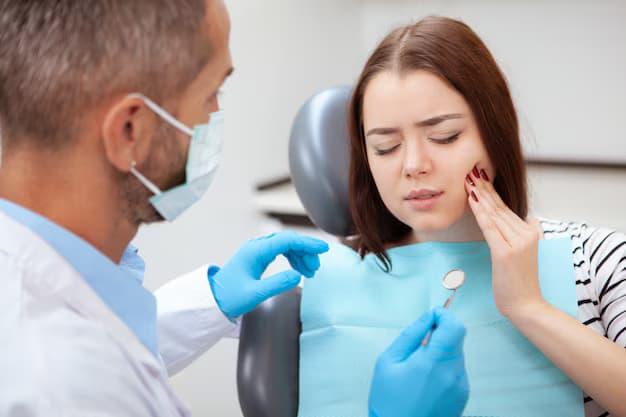
Healthy gums provide essential support to natural teeth and contribute significantly to overall oral health. However, plaque buildup, poor oral hygiene, smoking, and certain health conditions can increase the risk of gum infections and inflammation. When these problems remain untreated, they may gradually damage the tissues and bone supporting the teeth. Understanding the available treatment options helps individuals recognise the importance of early dental care and consistent prevention. Consulting a dentist for gum disease can help patients identify the severity of their condition, explore suitable treatments, and protect their natural teeth.
Understanding Gum Disease and Its Causes
Gum disease, also known as periodontal disease, is an inflammatory condition affecting the tissues surrounding and supporting the teeth. It commonly begins when plaque, a sticky bacterial film, accumulates along the gumline. If plaque is not removed regularly, it can harden into tartar and contribute to irritation and infection. Early gum disease is called gingivitis, while advanced disease is known as periodontitis. Without appropriate care, periodontitis can cause gum recession, bone loss, loose teeth, and eventually tooth loss.
Common Signs and Symptoms of Gum Disease
Redness and Swollen Gums
Healthy gums generally appear firm and pink, although natural colouring varies between individuals. Redness, puffiness, and tenderness may indicate inflammation caused by plaque accumulation. These changes are commonly associated with gingivitis, the earliest stage of gum disease. Some individuals experience little discomfort and may overlook the symptoms during daily brushing. However, persistent swelling should not be ignored. A dental examination can identify the source of inflammation and help determine whether professional cleaning or additional periodontal treatment is necessary.
Bleeding During Brushing or Flossing
Bleeding gums are another common warning sign of inflammation. Some people notice blood while brushing, flossing, or eating firm foods. Although aggressive brushing can occasionally cause irritation, repeated bleeding may indicate gingivitis or another gum condition. Healthy gums should not regularly bleed during gentle cleaning. Patients should avoid stopping their oral hygiene routine because of minor bleeding and should seek professional advice instead. Early assessment can help identify plaque buildup and prevent inflammation from progressing into more serious periodontal damage.
Persistent Bad Breath
Persistent bad breath, also called halitosis, may sometimes be associated with gum disease. Bacteria accumulating around the gumline and within periodontal pockets can produce unpleasant odours. Food particles trapped between teeth and inadequate oral hygiene may contribute to the problem as well. Mouthwash and breath fresheners may temporarily mask the smell without addressing its underlying cause. A dental professional can examine the gums, identify possible sources of bacterial buildup, and recommend suitable treatment to improve oral health and breath freshness.
Different Stages of Gum Disease
Gingivitis
Gingivitis is the earliest stage of gum disease and mainly affects the gum tissues. Common signs include redness, swelling, and bleeding during brushing or flossing. At this stage, the supporting bone is generally not damaged, and the condition can often be reversed with effective plaque removal and improved oral hygiene. Professional dental cleaning helps remove deposits that ordinary brushing cannot eliminate. Regular checkups and consistent home care are important for preventing gingivitis from developing into a more serious periodontal condition.
Early Periodontitis
When gingivitis is not managed, inflammation may progress into early periodontitis. Bacteria can begin affecting the tissues and bone supporting the teeth, creating periodontal pockets between the gums and tooth surfaces. These pockets allow plaque and bacteria to accumulate below the gumline. Patients may continue experiencing bleeding, swelling, and persistent bad breath. Professional periodontal treatment is important at this stage because damage to supporting structures may become more difficult to reverse. The dentist evaluates pocket depth and recommends an appropriate treatment plan.
Moderate to Advanced Periodontitis
Moderate and advanced periodontitis involve more significant destruction of the supporting tissues and bone. Gum recession, deep periodontal pockets, tooth mobility, and changes in bite may develop as the condition progresses. Some individuals experience discomfort while chewing, although advanced gum disease does not always cause obvious pain. Treatment may require deep cleaning, periodontal surgery, or other specialist procedures depending on the severity. Early professional intervention remains important because untreated advanced disease can eventually result in tooth loss.
Effective Treatment Options for Gum Disease
Periodontal Maintenance
Periodontal maintenance involves regular professional monitoring and cleaning after active gum disease treatment. Individuals with a history of periodontitis may require more frequent visits than those attending routine preventive appointments. During these visits, the dental professional checks gum condition, measures periodontal pockets when appropriate, and removes new plaque or tartar deposits. Maintenance helps manage bacterial buildup and identify early signs of recurring inflammation. Consistent appointments are important because periodontal disease can return even after successful initial treatment.
Antibiotic Treatment
In selected cases, a dental professional may recommend antibiotics as part of a broader periodontal treatment plan. These medicines may help manage certain bacterial infections when used alongside appropriate mechanical cleaning procedures. Depending on the clinical situation, medication may be prescribed in tablet form or applied locally to selected periodontal areas. Antibiotics are not a replacement for scaling, root planing, or good oral hygiene. Their use depends on the type and severity of infection, medical history, and professional assessment.
Laser Assisted Periodontal Treatment
Laser technology may be used in selected periodontal procedures to support the management of infected gum tissues. Depending on the technique, lasers may help target affected areas or assist with certain surgical procedures. Their suitability depends on the patient's periodontal condition, available equipment, and the clinician's training. Laser treatment is not necessary or appropriate for every case of gum disease. Patients should ask about the expected benefits, limitations, alternatives, and evidence supporting the recommended approach before deciding on treatment.
Advanced Treatment Options for Severe Gum Disease
Flap Surgery
Flap surgery may be recommended when deep periodontal pockets remain difficult to manage through nonsurgical cleaning alone. During the procedure, the gum tissue is carefully lifted to allow access to deeper areas of the tooth roots and surrounding bone. The specialist removes accumulated deposits and cleans the affected surfaces before repositioning the gum tissue. In selected cases, the procedure may also involve reshaping irregular bone areas. The purpose is to improve access for cleaning and reduce periodontal pocket depth where clinically appropriate.
Bone Grafting
Advanced periodontitis can cause damage to the bone supporting natural teeth. In certain cases, bone grafting may be considered to help rebuild or support areas affected by bone loss. The procedure involves placing suitable grafting material at the affected site, where it can support the body's healing response. The choice of material and expected results depend on the amount of bone damage and the patient's overall condition. Bone grafting is not suitable for every periodontal defect, so careful specialist assessment is essential.
Guided Tissue Regeneration
Guided tissue regeneration is a specialised periodontal procedure intended to support the regrowth of certain tissues lost through periodontal disease. A barrier membrane may be placed around a treated area to help guide healing and encourage selected supporting tissues to regenerate. The procedure may be combined with bone grafting when appropriate. Its success depends on factors such as defect shape, infection control, oral hygiene, and individual healing response. A periodontist evaluates whether the affected area is suitable for this treatment.
Tooth Extraction When Necessary
In advanced cases, a tooth may become so loose or damaged that it cannot be maintained comfortably or predictably. If periodontal support is severely compromised, extraction may be recommended after other treatment options have been considered. Removing a tooth affected by extensive damage can help manage local problems and prepare the mouth for further restorative treatment when appropriate. Replacement options may include implants, bridges, or dentures, depending on the patient's bone support and general oral health. The dentist explains these choices before proceeding.
How a Dentist Diagnoses Gum Disease
Reviewing Dental and Medical History
A periodontal assessment generally begins with a discussion of symptoms, dental habits, medical conditions, and previous treatment. Certain factors, including diabetes, smoking, medications, and family history, may influence gum health. The dentist may ask when bleeding or swelling began and whether the patient has noticed bad breath, sensitivity, or tooth mobility. Accurate information helps identify possible risk factors and guide further examination. Patients should provide details about their medications and general health to support appropriate treatment planning.
Measuring Periodontal Pockets
A periodontal probe is a specialised instrument used to measure the spaces between the teeth and surrounding gums. Healthy gum pockets are generally shallow, while deeper measurements may indicate periodontal tissue damage. The dentist records measurements at different points around the teeth to evaluate the extent and distribution of gum disease. Bleeding during probing may also provide information about inflammation. These measurements help establish a baseline for treatment and allow the dental professional to monitor changes during follow up visits.
Dental X Rays
Dental X rays help evaluate the bone supporting the teeth and identify changes that may not be visible during a clinical examination. They can reveal patterns of bone loss associated with periodontitis and provide information about tooth roots and surrounding structures. Imaging findings are considered alongside gum measurements and other clinical observations. X rays are not required at every appointment, and the dentist recommends them according to individual needs. Accurate assessment helps determine the severity of periodontal disease and guide treatment decisions.
Factors That Increase the Risk of Gum Disease
Several lifestyle, health, and oral hygiene factors can increase the likelihood of developing periodontal problems. Inadequate brushing and flossing allow plaque to accumulate, while smoking can affect gum health and interfere with healing. Diabetes may increase the risk of periodontal disease, particularly when blood glucose levels are poorly controlled. Hormonal changes, certain medications, stress, and genetic susceptibility may also influence gum condition. Understanding these factors helps individuals take preventive steps and discuss personal risks with their dental professional.
Daily Habits That Support Healthy Gums
Brushing Properly Twice Daily
Brushing twice a day with a soft bristled toothbrush and fluoride toothpaste helps remove plaque from tooth surfaces and along the gumline. Patients should use gentle movements rather than applying excessive pressure, which may irritate the gums or contribute to abrasion. Particular attention should be given to areas where teeth meet the gums. An electric toothbrush may be useful for individuals who find thorough manual brushing difficult. Consistent brushing helps control bacterial buildup and supports healthier gum tissues.
Cleaning Between Teeth
A toothbrush cannot effectively reach every space between neighbouring teeth. Floss, interdental brushes, or other dentist recommended cleaning aids can help remove plaque and food particles from these areas. The most suitable option depends on tooth spacing, gum condition, and individual dexterity. Cleaning between teeth regularly helps reduce bacterial accumulation and supports periodontal health. Patients who experience bleeding or difficulty using these tools should ask a dental professional for guidance instead of avoiding interdental cleaning altogether.
Following a Balanced Diet
A balanced diet provides nutrients that support healthy gums and the body's normal healing processes. Foods containing vitamins, minerals, protein, and fibre can contribute to general oral health. Limiting frequent consumption of sugary snacks and drinks may help reduce plaque related dental problems. Drinking sufficient water also helps maintain oral moisture and supports natural cleansing. Although nutrition cannot replace periodontal treatment, healthy dietary habits can complement professional care and help maintain better oral health over time.
Avoiding Tobacco Products
Smoking and other tobacco use can increase the risk of gum disease and make periodontal problems harder to manage. Tobacco may affect blood flow to gum tissues and interfere with normal healing responses. Smokers may also notice fewer obvious signs of inflammation, which can delay recognition of developing problems. Quitting tobacco can support better oral and general health. Patients who need assistance should discuss available cessation support with an appropriate healthcare professional.
The Importance of Regular Dental Checkups
Regular dental examinations allow professionals to identify early gum inflammation before it progresses into more serious periodontal damage. During these appointments, the dentist checks gum appearance, plaque accumulation, tooth stability, and other signs of concern. Patients with a history of periodontitis may need more frequent periodontal maintenance visits. Routine assessments also provide an opportunity to review brushing techniques and discuss changes in oral health. Consistent professional care helps maintain treatment results and reduces the likelihood of unnoticed gum problems.
When Should Someone Seek Professional Gum Treatment?
Individuals should arrange a dental examination if they regularly experience bleeding gums, persistent swelling, bad breath, gum recession, or loose teeth. These symptoms may indicate inflammation or damage to the supporting structures of the teeth. Pain is not always present during the early stages of gum disease, so waiting for discomfort can delay necessary care. A dental professional can assess the condition and recommend suitable treatment. Prompt attention is especially important when swelling, infection, or rapid changes in tooth stability occur.
Conclusion
Gum disease can affect the tissues and bone supporting natural teeth, but appropriate treatment and consistent preventive care can help manage its progression. Options such as professional cleaning, scaling and root planing, periodontal maintenance, and advanced surgical procedures are selected according to individual needs. Early diagnosis, healthy daily habits, and regular dental examinations remain essential for protecting gum health. Individuals experiencing warning signs should seek professional guidance rather than allowing symptoms to continue. Clove Dental Riverpark can be considered by patients seeking dental assessments and guidance about suitable approaches to maintaining healthier gums and stronger natural teeth.

 English
 Arabic
 French
 Spanish
 Portuguese
 Deutsch
 Dutch
 Italiano
 Russian
 Romaian
 Portuguese (Brazil)
 Greek