


Diazepam 10mg – A Complete Guide to Medical Uses and Dependence Risks
Introduction
Diazepam is a prescription medication belonging to a group of medicines known as benzodiazepines. It is commonly used in medical settings to manage certain anxiety-related conditions, muscle spasms, and other health problems. It may also be prescribed for specific seizure-related conditions and symptoms associated with alcohol withdrawal. Diazepam works by affecting chemical activity in the brain, helping to produce a calming effect and reduce excessive nervous system activity.
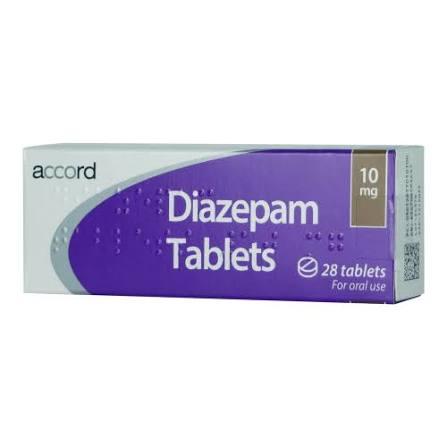
Diazepam 10mg is a particular tablet strength that should only be used when prescribed by an appropriately qualified healthcare professional. Although the medicine can provide important therapeutic benefits, it also carries risks, including drowsiness, impaired coordination, tolerance, and physical dependence. Understanding its medical uses, potential side effects, and safety precautions is essential for anyone receiving this treatment.
This guide explains how diazepam works, why healthcare professionals prescribe it, and what patients should understand about its risks.
What Is Diazepam 10mg?
Diazepam is a medicine that belongs to the benzodiazepine class. It acts on the central nervous system and enhances the activity of gamma-aminobutyric acid (GABA), a naturally occurring chemical messenger that helps regulate brain activity.
By increasing GABA's calming effects, diazepam can reduce excessive nervous system activity. This may help relieve anxiety, relax muscles, and control certain types of seizures.
The 10mg strength describes the amount of diazepam contained in an individual tablet. It does not mean that every patient should take this amount. The appropriate strength and treatment schedule depend on the patient's medical condition, age, other medications, and individual response.
Diazepam is not suitable for everyone. A healthcare professional should assess the patient's medical history before prescribing it.
Medical Uses of Diazepam
Healthcare professionals may prescribe diazepam for several specific medical conditions. Its use depends on the patient's symptoms, medical history, and treatment requirements.
1. Management of Anxiety
One recognised use of diazepam is the short-term management of severe anxiety symptoms. Anxiety can involve persistent worry, nervousness, restlessness, and physical symptoms such as muscle tension.
Diazepam may help reduce excessive nervous system activity and provide temporary relief in carefully selected circumstances. However, it is generally not recommended as a long-term solution for ordinary anxiety because prolonged use increases the risk of dependence.
Other treatments, including psychological therapies and certain longer-term medications, may be more appropriate for ongoing anxiety disorders.
2. Relief of Muscle Spasms
Diazepam has muscle-relaxing properties and may be prescribed for certain conditions involving painful muscle spasms. It works through the central nervous system rather than directly treating the underlying cause of muscle problems.
A healthcare professional should investigate persistent or unexplained muscle pain before recommending medication.
3. Treatment of Certain Seizures
Diazepam may be used in specific seizure-related situations because of its ability to reduce excessive electrical activity in the brain.
Its use depends on the type of seizure and the clinical circumstances. Emergency seizure treatment should always follow medical instructions, as uncontrolled seizures require prompt professional attention.
4. Alcohol Withdrawal Symptoms
In supervised medical settings, diazepam may be used to manage certain symptoms associated with alcohol withdrawal.
Withdrawal can cause anxiety, shaking, sweating, agitation, and, in severe cases, seizures. Medical supervision is important because alcohol withdrawal can become dangerous.
5. Other Specialist Medical Uses
Healthcare professionals may sometimes prescribe diazepam for other recognised medical indications, depending on individual circumstances and applicable clinical guidance.
It should never be used to self-treat unexplained symptoms or replace an appropriate medical assessment.
How Diazepam Works in the Body
Diazepam affects the central nervous system by enhancing the action of GABA. This neurotransmitter reduces excessive communication between nerve cells and helps maintain a balance of brain activity.
When diazepam enhances GABA activity, patients may experience reduced anxiety, muscle relaxation, and sedation. These effects explain why the medicine has several different medical applications.
Diazepam remains active in the body for a relatively long period. Its effects and breakdown products can persist, meaning that drowsiness and reduced alertness may continue after taking it.
Patients should therefore follow their prescriber's instructions carefully and avoid taking additional medication without professional advice.
Possible Side Effects of Diazepam 10mg
Like other prescription medicines, Buy Valium Diazepam 10mg Uk can cause side effects. Some are relatively mild, while others require immediate medical attention.
Common side effects may include:
-
Drowsiness: Feeling unusually sleepy or having difficulty staying alert.
-
Dizziness: Experiencing light-headedness, particularly when standing up.
-
Muscle weakness: Reduced physical strength or coordination.
-
Confusion: Difficulty concentrating or thinking clearly.
-
Memory problems: Temporary difficulty remembering events.
-
Reduced alertness: Slower reactions and impaired judgement.
These effects may be more noticeable when treatment begins or when other medicines affect the central nervous system.
More serious reactions can include breathing difficulties, severe confusion, unusual behavioural changes, or an allergic reaction. Emergency medical assistance should be obtained if someone develops serious breathing problems, becomes difficult to wake, or loses consciousness.
Understanding Dependence and Addiction Risks
One of the most important considerations associated with diazepam is its potential to cause physical dependence and addiction.
Physical dependence occurs when the body becomes accustomed to a medicine and experiences withdrawal symptoms when its use is reduced or stopped. This can happen even when someone has been taking diazepam according to medical instructions.
Tolerance is another concern. It occurs when the body becomes less responsive to a medicine over time, potentially reducing its original effects.
Several factors may increase the risk of dependence:
-
Taking diazepam for longer than prescribed.
-
Using higher amounts than directed.
-
Taking it more frequently than recommended.
-
Having a previous history of substance dependence.
-
Combining diazepam with other sedating substances.
-
Continuing treatment without regular medical reviews.
The Medicines and Healthcare products Regulatory Agency (MHRA) emphasises the importance of understanding benzodiazepine dependence, addiction, and withdrawal risks. Patients should discuss these risks with their healthcare professionals before and during treatment.
cpd.mhra.gov.uk+1
Withdrawal Symptoms and Stopping Treatment
Stopping diazepam suddenly after regular use can cause withdrawal symptoms. These occur because the nervous system has adapted to the medicine's effects.
Possible withdrawal symptoms include:
-
Increased anxiety and nervousness.
-
Difficulty sleeping.
-
Headaches and muscle discomfort.
-
Irritability and restlessness.
-
Sweating and shaking.
-
Difficulty concentrating.
-
Mood changes.
In severe situations, withdrawal can cause hallucinations, severe confusion, or seizures.
For this reason, patients should never stop regular diazepam treatment abruptly without medical guidance. A healthcare professional can develop an individualised gradual reduction plan based on the duration of treatment, previous medication use, and the patient's overall health.
Some people require a slower reduction process and additional support to manage withdrawal symptoms safely.
NHS+1
Important Drug Interactions and Safety Precautions
Diazepam can interact with other medicines and substances, potentially increasing unwanted effects.
Alcohol: Alcohol should be avoided because it can intensify sedation and increase the risk of dangerous breathing problems.
Opioid pain medicines: Combining diazepam with opioids can cause profound sedation, respiratory depression, coma, and potentially fatal outcomes.
Other sedatives: Sleeping tablets, certain antihistamines, and other medicines that cause drowsiness may increase the sedative effects of diazepam.
Antidepressants: Some antidepressants can affect how diazepam works or increase side effects. Patients should inform their prescriber about all medicines they use.
Anaesthetic medicines: Diazepam may interact with medicines used during surgery or medical procedures. Healthcare professionals should be informed about its use before treatment.
Patients should also avoid driving, cycling, or operating machinery if they feel sleepy, dizzy, or less alert.
NHS+1
Who Should Avoid or Use Diazepam With Caution?
Diazepam is not appropriate for every patient. A healthcare professional must consider individual medical circumstances before prescribing it.
Additional caution may be necessary for people with:
-
Serious breathing problems.
-
Severe liver disease.
-
Sleep apnoea.
-
A history of alcohol or drug dependence.
-
Certain mental health conditions.
-
Muscle weakness associated with myasthenia gravis.
-
Pregnancy or breastfeeding.
Older adults may be particularly sensitive to diazepam because sedation and impaired coordination can increase the likelihood of falls and injuries.
Patients should provide their healthcare professional with a complete medical history, including previous reactions to benzodiazepines and any existing prescriptions.
Responsible Use and Medical Monitoring
Responsible use of diazepam involves following professional medical advice and attending recommended follow-up appointments.
In the UK, diazepam is a prescription-only medicine. It should be obtained through legitimate, regulated healthcare channels rather than unverified online sellers.
Patients should follow these precautions:
-
Use diazepam only when it has been prescribed to them.
-
Never increase the prescribed amount independently.
-
Do not share tablets with family members or friends.
-
Avoid alcohol and recreational drugs during treatment.
-
Inform healthcare professionals about other medicines and supplements.
-
Attend medical reviews to assess whether treatment remains necessary.
-
Discuss any unwanted effects or concerns about dependence promptly.
For anxiety and insomnia, benzodiazepine treatment is generally intended to be short term, commonly no longer than four weeks. Individual treatment requirements may differ for other medical indications.
NHS+1
Alternatives to Diazepam
Depending on the underlying condition, healthcare professionals may recommend alternatives to diazepam.
For anxiety disorders, cognitive behavioural therapy (CBT), psychological support, and certain antidepressant medicines may provide longer-term treatment options.
For muscle spasms, treatment may involve physiotherapy, appropriate physical activity, and addressing the underlying cause.
For sleep-related difficulties, improving sleep routines, managing stress, and cognitive behavioural therapy for insomnia (CBT-I) may be beneficial.
The most appropriate alternative depends on the patient's symptoms, medical history, and individual treatment needs.
Conclusion
Diazepam 10mg is a benzodiazepine medication with several recognised medical uses, including the management of severe anxiety, muscle spasms, and certain seizure-related conditions. Its ability to enhance GABA activity helps reduce excessive nervous system activity and produces calming and muscle-relaxing effects.
However, its benefits must be considered alongside important safety concerns. Drowsiness, impaired coordination, drug interactions, tolerance, and physical dependence are significant considerations. Combining diazepam with alcohol or opioid medicines can be particularly dangerous.
Patients should use diazepam only under appropriate medical supervision and should never change or discontinue regular treatment without professional guidance. Understanding its medical uses and potential risks can help patients make informed decisions and approach treatment responsibly.
Medical Disclaimer: This article is intended for general educational purposes and does not replace professional medical advice, diagnosis, or treatment. Diazepam 10mg should only be used when prescribed by a qualified healthcare professional.
 Spanish
 English
 Arabic
 French
 Portuguese
 Deutsch
 Turkish
 Dutch
 Italiano
 Russian
 Romaian
 Portuguese (Brazil)
 Greek