


Understanding the Process and Advantages of Invisalign Treatment
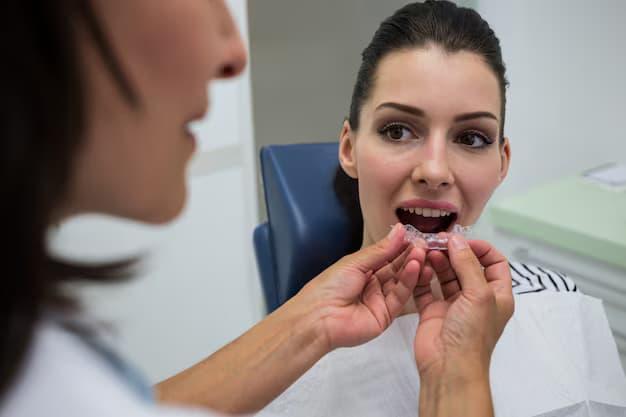
A straight, well aligned smile can improve dental appearance while supporting comfortable chewing and easier oral hygiene. However, crowded teeth, gaps, overlapping, and bite irregularities can affect both confidence and everyday oral health. Modern orthodontic care offers different approaches to correcting these concerns, including clear removable aligners designed to move teeth gradually. Understanding invisalign treatment helps patients learn how this approach works, who may benefit, and what to expect throughout the process. Exploring the treatment stages, advantages, limitations, and maintenance requirements allows individuals to make informed decisions about improving their smile.
What Is Invisalign Treatment?
Invisalign treatment is an orthodontic approach that uses a series of transparent, removable plastic aligners to gradually move teeth into planned positions. Each aligner is designed to apply controlled pressure to specific teeth, helping guide them through small movements over time. Patients change from one aligner to the next according to the schedule provided by their orthodontic professional. The aligners are custom made using digital scans or impressions of the teeth. This personalised approach allows the treatment plan to address individual alignment concerns while providing a less noticeable alternative to conventional fixed braces.
How Clear Aligners Work
Clear aligners work by applying gentle, consistent pressure to selected teeth. Each set is slightly different from the previous one, allowing gradual movement towards the planned final position. Small tooth coloured attachments may sometimes be placed on certain teeth to help the aligners achieve more controlled movements. Patients generally wear their aligners for most of the day, removing them for meals, drinks other than water, and oral hygiene. Consistent use is important because teeth may not move as planned when aligners are worn irregularly. Regular professional monitoring helps ensure that treatment progresses appropriately.
Dental Problems Invisalign May Help Correct
Crowded Teeth
Crowding occurs when there is insufficient space within the dental arch for all teeth to sit in their intended positions. This can cause teeth to overlap, rotate, or appear uneven. Crowded areas may also be more difficult to clean, increasing the likelihood of plaque accumulation and gum problems. Clear aligners may help create a more organised arrangement by gradually moving selected teeth into planned positions. However, the amount of movement possible depends on the severity of crowding, available space, and overall bite condition. A professional examination determines whether aligners are suitable or another orthodontic approach is needed.
Gaps Between Teeth
Spaces between teeth can develop because of differences in tooth size, jaw structure, missing teeth, or natural spacing patterns. Some individuals seek orthodontic treatment because visible gaps affect the appearance of their smile. Clear aligners can gradually move teeth closer together when the underlying dental condition allows it. The orthodontic professional evaluates the size and location of the spaces before recommending treatment. In some cases, gaps may be associated with gum disease or other dental concerns that require attention first. Correct diagnosis helps ensure that orthodontic movement supports both appearance and long term dental health.
Bite Alignment Problems
Bite problems occur when the upper and lower teeth do not meet in a balanced position. Common examples include overbite, underbite, crossbite, and open bite. Depending on their severity, these conditions may affect chewing, speech, tooth wear, and jaw comfort. Clear aligners can correct selected bite irregularities, although more complex cases may require additional orthodontic methods or specialist care. Treatment planning considers the relationship between both dental arches, jaw position, and tooth movement requirements. Patients should ask whether aligners can address their particular bite concern and what limitations may affect the expected result.
Who May Be Suitable for Invisalign?
Clear aligners may be suitable for teenagers and adults with certain mild to moderate orthodontic concerns. Good candidates generally have healthy teeth and gums, understand the importance of consistent aligner use, and can attend scheduled review appointments. More complex tooth movements or significant jaw discrepancies may require alternative treatment approaches. Existing cavities, gum inflammation, or untreated dental infections should usually be addressed before orthodontic treatment begins. The orthodontic professional evaluates oral health, tooth positions, bite relationships, and patient expectations before recommending aligners. Suitability depends on clinical findings rather than age or appearance alone.
The Initial Consultation and Dental Assessment
The treatment process begins with a consultation to understand the patient's concerns and determine whether clear aligners are appropriate. The dental professional examines the teeth, gums, bite, and jaw relationship while reviewing relevant dental history. Digital scans, photographs, and X rays may be taken to assess tooth positions and supporting structures. These records help create a detailed treatment plan based on the movements required. Patients can discuss expected treatment duration, costs, possible discomfort, and alternatives during this appointment. A thorough assessment helps identify potential problems before aligner treatment begins.
Digital Scanning and Custom Treatment Planning
Once a patient is considered suitable, digital scans or other accurate records are used to create a three dimensional representation of the teeth. The orthodontic professional uses this information to plan the movement of individual teeth throughout treatment. A sequence of aligners is then designed to guide the teeth towards their intended positions. Patients may be shown a digital preview of the planned movement, although the final result can differ from a simulation because biological responses vary. Careful planning helps establish realistic expectations and allows the professional to identify whether attachments or additional procedures may be needed.
Steps Involved During Invisalign Treatment
Receiving the First Set of Aligners
After the aligners are manufactured, the patient attends an appointment to receive the first set and learn how to use them correctly. The dental professional checks the fit and explains how to insert, remove, and clean the trays. Small attachments may be placed on selected teeth to improve control over particular movements. Patients are also shown how often to change aligners and how many hours each day they should be worn. Following these instructions carefully is essential because incorrect use can affect treatment progress and the fit of later aligners.
Wearing and Changing Aligners
Patients usually wear each aligner for approximately 20 to 22 hours daily, although the exact schedule should follow the professional's instructions. The trays are removed before eating, drinking anything other than water, and brushing or flossing. Each new set may create temporary pressure as the teeth begin moving into their planned positions. This feeling often reduces as the mouth adjusts, but significant or persistent discomfort should be discussed with the dental professional. Keeping aligners in their protective case when removed helps prevent loss, accidental damage, and unnecessary exposure to bacteria.
Attending Progress Appointments
Regular review appointments allow the orthodontic professional to check whether the teeth are moving according to the treatment plan. The aligner fit, tooth positions, gum condition, and bite are assessed during these visits. If progress differs from expectations, the professional may adjust the plan or recommend additional aligners. Some patients require refinement stages to improve the final alignment after the initial sequence is completed. Attending scheduled appointments is important because aligner treatment requires monitoring rather than relying entirely on self management. Professional supervision helps identify concerns and maintain progress towards the planned result.
Advantages of Invisalign Treatment
One of the main advantages of clear aligners is their transparent appearance, which makes them less noticeable than many traditional orthodontic appliances. Their removable design allows patients to eat a wider variety of foods without the dietary restrictions associated with fixed braces. Removing the trays also makes brushing and flossing easier when compared with cleaning around brackets and wires. Customised planning helps address individual alignment concerns through a sequence of controlled movements. However, these benefits depend on suitable case selection and consistent use. Patients should understand that clear aligners are not automatically appropriate for every orthodontic problem.
Invisalign Compared with Traditional Braces
Traditional braces use brackets and wires attached to the teeth to create controlled movement, while clear aligners rely on removable trays. Fixed braces remain in place throughout treatment, making them less dependent on patient compliance. Aligners offer greater flexibility for eating and cleaning, but they must be worn for the recommended number of hours each day. Certain complex tooth movements may be more predictable with fixed orthodontic appliances. The choice depends on the patient's dental condition, treatment goals, lifestyle, and ability to follow instructions. An orthodontic assessment helps compare the options and identify the most suitable method.
Possible Discomfort and Other Limitations
Some patients experience temporary pressure, tenderness, or mild soreness when beginning a new aligner set. This sensation generally occurs because the trays are applying force to move the teeth. Occasional irritation around the gums or cheeks may also occur, particularly during the adjustment period. Aligners can be misplaced or damaged if they are not stored properly, and irregular wear may delay treatment. They may also be less suitable for certain complex orthodontic conditions. Patients should report persistent pain, poor fitting trays, or unexpected changes in their bite rather than attempting to modify the aligners themselves.
Maintaining Oral Hygiene During Treatment
Good oral hygiene is especially important while wearing clear aligners because food particles and plaque can become trapped against tooth surfaces. Patients should brush after meals whenever possible before reinserting the trays. Flossing or using suitable interdental cleaning tools helps remove deposits from between the teeth. Aligners should be cleaned according to the professional's instructions using appropriate products and lukewarm water. Hot water may distort the plastic and affect the fit. Regular dental checkups and professional cleaning support healthy gums and reduce the risk of cavities during orthodontic treatment.
Eating and Drinking with Clear Aligners
Clear aligners should generally be removed before eating to avoid damaging or staining the trays. Patients can continue enjoying their usual meals, although maintaining a consistent cleaning routine is important before putting the aligners back in. Plain water is generally suitable while wearing the trays, but hot drinks, sugary beverages, and coloured liquids may affect the aligners or increase the risk of dental problems. Drinking other beverages with trays in place may allow sugars and acids to remain against the teeth. Following dietary and cleaning recommendations helps protect both the aligners and natural enamel.
Retainers After Invisalign Treatment
Completing the planned aligner sequence does not mean that teeth will remain permanently in their new positions without support. Teeth can gradually shift after orthodontic treatment because the surrounding tissues need time to adapt. Retainers help maintain the achieved alignment and are an important part of long term care. The orthodontic professional recommends a suitable retainer type and wearing schedule based on the patient's circumstances. Some individuals may need to wear retainers regularly for an extended period. Following these instructions helps protect the treatment results and reduces the likelihood of needing further orthodontic correction.
Understanding Treatment Duration and Cost
The length and cost of aligner treatment depend on the complexity of tooth movement, the number of aligners required, and whether additional refinement stages are necessary. Mild alignment concerns may require less time than cases involving multiple teeth or bite corrections. Missed appointments and inconsistent wear can also extend the treatment period. Patients should request a clear estimate covering assessment, scans, aligners, progress reviews, and retainers. It is useful to ask whether additional aligners or replacement trays involve extra charges. Understanding the full treatment plan helps individuals prepare financially and establish realistic expectations.
Conclusion
Clear aligners offer a modern orthodontic option for improving selected alignment and bite concerns through a series of customised, removable trays. Their transparent appearance, flexibility, and convenience can make them appealing to many suitable patients. However, successful treatment requires professional assessment, consistent wear, regular monitoring, and proper retainer use after completion. Individuals considering Clove Dental Riverpark can discuss their orthodontic concerns and learn whether clear aligners are appropriate for their dental needs. With a carefully planned approach and good oral hygiene, patients can work towards a healthier, more balanced smile and maintain their results over time.
 Spanish
 English
 Arabic
 French
 Portuguese
 Deutsch
 Turkish
 Dutch
 Italiano
 Russian
 Romaian
 Portuguese (Brazil)
 Greek