


Can You Walk Normally with a Torn Meniscus?
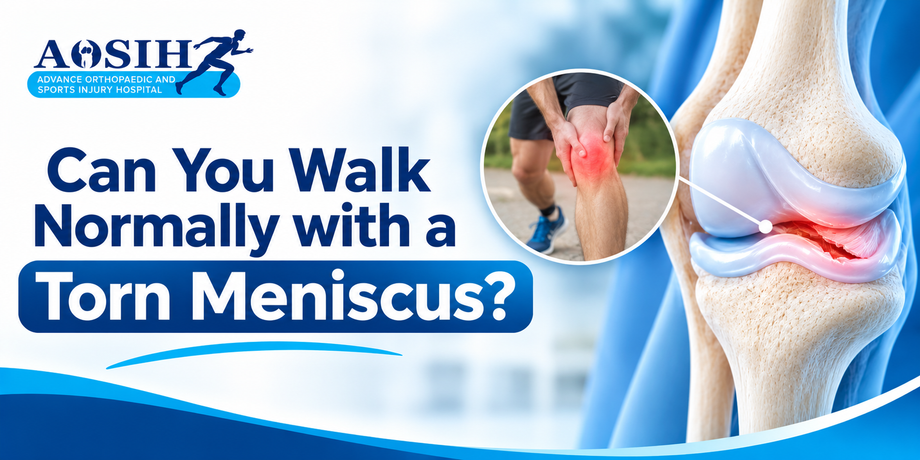
A torn meniscus can make simple activities such as walking, climbing stairs, bending the knee, or standing for long periods uncomfortable. Some people can continue walking with a meniscus tear, while others experience pain, swelling, stiffness, or a locking sensation that affects their mobility. The ability to walk depends on the location, size, and severity of the injury. Seeking timely Meniscus tear treatment India can help identify the extent of cartilage damage and determine whether conservative care or surgical intervention is required.
Can You Walk Normally with a Torn Meniscus?
Yes, some patients can walk normally with a torn meniscus, particularly when the tear is small or does not affect knee stability. However, walking comfortably does not necessarily mean the injury has healed.
Larger or more complex tears may cause:
-
Pain while walking or putting weight on the affected leg.
-
Swelling around the knee joint.
-
Clicking or catching sensations during movement.
-
Difficulty bending or straightening the knee.
-
A feeling that the knee is locking or giving way.
Ignoring these symptoms may worsen discomfort and interfere with everyday activities.
What Causes a Meniscus Tear?
The meniscus is a C-shaped piece of cartilage that acts as a cushion between the thighbone and shinbone. Each knee has two menisci that help absorb shock and distribute pressure across the joint.
Common causes of meniscus injuries include:
-
Sudden Twisting Movements: Turning the body while keeping the foot firmly planted can damage the meniscus.
-
Sports Injuries: Football, basketball, and other activities involving sudden direction changes increase injury risk.
-
Heavy Physical Activity: Repeated squatting and deep knee bending may contribute to cartilage damage.
-
Age-Related Changes: Meniscus tissue can become weaker and more vulnerable to tears over time.
-
Accidents: Direct trauma or sudden impact can injure the knee structures.
When Should You Seek Meniscus Tear Treatment?
Early evaluation is important when knee pain or swelling continues after an injury. An appropriate treatment plan depends on the type of tear, age, activity level, and overall knee condition.
Common treatment options include:
1. Rest and Activity Modification
Avoiding activities that involve twisting, deep squatting, or excessive knee loading can help reduce irritation. Temporary activity modification may be recommended during the initial recovery period.
2. Medication and Ice Therapy
Doctors may recommend suitable pain-relief medication and ice application to manage discomfort and swelling.
3. Physiotherapy
Specific exercises can strengthen the muscles surrounding the knee, improve flexibility, and support joint stability. Physiotherapy may be effective for selected meniscus tears.
4. Arthroscopic Meniscus Surgery
When symptoms persist, or the tear causes mechanical problems, arthroscopic surgery may be considered. Depending on the injury, the surgeon may repair the torn meniscus or remove only the damaged portion.
Meniscus repair is generally preferred when the tear's location and tissue quality allow healing.
Can a Meniscus Tear Be Related to an ACL Injury?
Yes, meniscus tears and anterior cruciate ligament (ACL) injuries can occur together, particularly during sports-related accidents involving sudden twisting or changes in direction.
An ACL injury affects knee stability, while a meniscus tear damages the cartilage that cushions the joint. Both conditions can cause pain, swelling, and difficulty walking.
Patients experiencing repeated knee instability may require further evaluation for ACL Surgery in Jaipur if an ACL tear is confirmed and surgery is considered appropriate.
How Is a Meniscus Tear Diagnosed?
An orthopaedic evaluation helps determine the severity and location of the injury. A specialist may recommend:
-
Physical Examination: Assessing tenderness, swelling, knee movement, and stability.
-
MRI Scan: Identifying meniscus tears and associated soft-tissue injuries.
-
X-rays: Checking for fractures or signs of arthritis, although X-rays do not directly show meniscus tears.
Consulting an experienced Orthopedic Specialist in Jaipur can help patients understand their diagnosis and available treatment options.
How Can You Walk Safely During Recovery?
Walking should be gradually resumed according to medical advice. Patients may benefit from:
-
Avoiding sudden twisting and turning movements.
-
Using walking support if recommended.
-
Following prescribed physiotherapy exercises.
-
Avoiding deep squats and high-impact activities.
-
Returning to normal activities gradually.
If the knee becomes locked or you cannot bear weight, seek prompt medical evaluation.
Final Thoughts
Walking with a torn meniscus may be possible, but persistent pain, swelling, and restricted movement should not be ignored. Early diagnosis and appropriate treatment can help protect knee function and reduce the risk of further complications. Dr. Naveen Sharma at Advance Orthopedic and Sports Injury Hospital, Jaipur, provides orthopaedic evaluation and treatment guidance for patients experiencing meniscus injuries and other knee problems. Timely consultation can help determine the most suitable approach for recovery.
Frequently Asked Questions (FAQs)
1. Can a torn meniscus heal without surgery?
Yes, some meniscus tears may improve with rest, activity modification, medication, and physiotherapy. Healing depends on the tear's location, size, and blood supply.
2. Is walking harmful when you have a meniscus tear?
Walking may be safe for some minor tears, but excessive activity can increase pain and swelling. Follow medical advice and avoid movements that aggravate symptoms.
3. How long does it take to recover from a meniscus tear?
Recovery varies depending on the injury and treatment. Conservative treatment may take several weeks, while recovery after meniscus repair surgery can take several months.
4. Does every meniscus tear require arthroscopic surgery?
No. Many tears can be managed without surgery. Arthroscopic treatment may be considered when symptoms persist, mechanical locking occurs, or the tear is suitable for surgical repair.
5. Can a meniscus tear increase the risk of knee arthritis?
Certain meniscus tears, particularly those involving substantial tissue damage or removal, may increase the risk of developing knee osteoarthritis over time. Early diagnosis and appropriate treatment can help protect joint function.
 Greek
 English
 Arabic
 French
 Spanish
 Portuguese
 Deutsch
 Turkish
 Dutch
 Italiano
 Russian
 Romaian
 Portuguese (Brazil)