


Acne Treatment in Manchester: Clearer Skin with Personalised Care
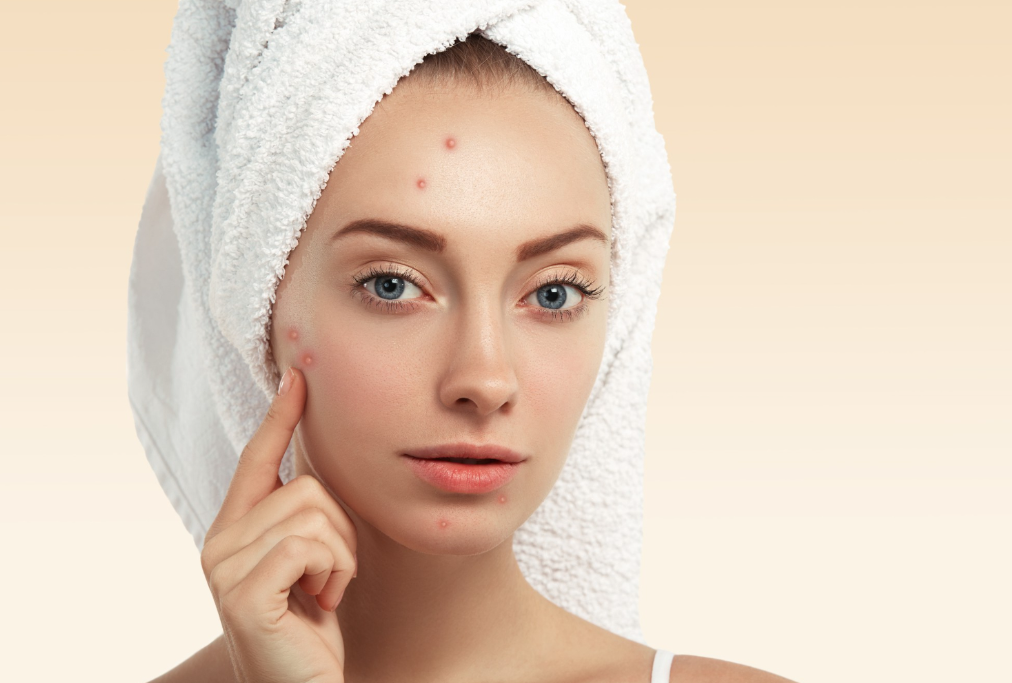
Acne is one of the most common skin concerns, affecting people of different ages and skin types. It can appear as blackheads, whiteheads, inflamed spots, or deeper blemishes, particularly on the face, chest, shoulders, and back. Although acne is often associated with teenage years, many adults also experience persistent or occasional breakouts.
Finding an approach that suits your skin is an important step towards achieving a clearer and healthier-looking complexion. With personalised guidance, appropriate skincare, and a treatment plan based on individual needs, acne can often be managed more effectively.
At SLA Medical Clinic, patients can explore personalised skincare support designed around their complexion, concerns, and treatment goals. Whether you are experiencing occasional breakouts or ongoing acne, understanding the available options can help you make informed decisions about your skin.
Understanding Acne and Its Causes
Acne develops when hair follicles become blocked with oil, dead skin cells, and other impurities. The skin naturally produces sebum, which helps maintain moisture. However, excess oil production and blocked pores can contribute to blemishes and inflammation.
Several factors may influence acne development, including hormonal changes, genetics, skincare habits, and environmental conditions.
Excess Sebum Production
Sebum is an oily substance produced by the sebaceous glands. It helps protect and moisturise the skin, but excessive production can contribute to clogged pores. People with naturally oily skin may notice more frequent breakouts, particularly around the forehead, nose, chin, and cheeks.
Blocked Pores
Dead skin cells are regularly shed from the skin's surface. When these cells mix with excess sebum, they can accumulate inside hair follicles and create blockages. This process may lead to blackheads, whiteheads, and other forms of acne.
Hormonal Changes
Hormonal fluctuations can influence oil production and contribute to breakouts. Acne may become more noticeable during puberty, menstrual cycles, pregnancy, or periods of hormonal change. Some adults also experience persistent acne associated with hormonal factors.
Genetic Factors
Family history can influence a person's likelihood of experiencing acne. If close family members have struggled with persistent breakouts, there may be a greater tendency to develop similar skin concerns.
Lifestyle and Skincare Habits
Certain skincare products, heavy cosmetics, and inconsistent cleansing routines may contribute to blocked pores in some individuals. Stress and lifestyle changes can also influence existing acne, although their effects vary from person to person.
Different Types of Acne
Understanding the type of acne affecting your skin can help guide an appropriate treatment approach. Acne does not look the same for everyone, and different blemishes may require different forms of care.
Blackheads
Blackheads are small, dark spots that develop when pores become blocked. Their darker appearance occurs when the material inside an open pore reacts with air. They commonly appear around the nose, chin, and forehead.
Whiteheads
Whiteheads form when pores become blocked beneath the skin's surface. They usually appear as small, pale or skin-coloured bumps and may be particularly noticeable on the cheeks and forehead.
Papules
Papules are small, raised, inflamed bumps that may appear red or pink. They generally develop when blocked pores become irritated.
Pustules
Pustules are inflamed blemishes that contain visible pus. They often have a red base with a white or yellow centre and can appear across different areas of the face and body.
Nodules and Cystic Acne
Some forms of acne develop deeper beneath the skin. Nodules are larger, firm bumps, while cystic acne can involve deeper, pus-filled lesions. These concerns may require professional assessment and a more targeted treatment plan.
Why Consider Acne Treatment in Manchester?
Acne can affect more than the appearance of the skin. Persistent breakouts may influence confidence, daily skincare choices, and the way people feel about their complexion. Choosing a suitable Acne Treatment In Manchester approach can help address existing blemishes while supporting healthier-looking skin.
Professional guidance can also help distinguish between different types of acne and identify factors that may be contributing to recurring breakouts.
A Personalised Approach to Skin Concerns
Every complexion has different needs. Someone experiencing occasional blackheads may require a different approach from someone dealing with persistent inflammatory acne. Personalised care considers skin type, acne severity, previous skincare routines, and individual goals.
At SLA Medical Clinic, treatment discussions can focus on understanding your concerns and identifying an approach that is appropriate for your skin.
Support for Different Skin Types
Oily, dry, combination, and sensitive skin can all experience acne. However, the products and routines suitable for one skin type may not be appropriate for another.
A tailored approach helps ensure that skincare recommendations consider both acne concerns and the skin's overall condition.
A More Structured Skincare Routine
Trying multiple products without understanding their ingredients or purpose can make skincare confusing. Professional guidance can help create a more organised routine that supports cleansing, hydration, and the management of blemishes.
Available Approaches to Acne Treatment
Acne treatment depends on the type of blemishes, their severity, and the individual's skin condition. There is no single solution that works for everyone. A suitable plan may involve professional skincare advice, topical products, medical treatments where appropriate, and consistent home care.
Professional Skin Assessment
A skin assessment is an important starting point for understanding acne. It allows the practitioner to consider the appearance of the blemishes, areas affected, skin sensitivity, and previous treatment experiences.
This information can help guide recommendations and determine whether further medical assessment is appropriate.
Topical Skincare Products
Topical products are applied directly to the skin and may form part of an acne management routine. Depending on individual needs, recommended ingredients may include:
- Salicylic acid: Helps exfoliate inside pores and may improve the appearance of blackheads and whiteheads.
- Benzoyl peroxide: Commonly used in acne care to help manage acne-causing bacteria and inflammatory blemishes.
- Retinoids: Certain topical retinoids help regulate skin-cell turnover and reduce the formation of blocked pores.
- Azelaic acid: May help improve blemishes and uneven skin tone associated with acne.
- Niacinamide: Can support the skin barrier and help improve the appearance of excess oil and redness.
The most appropriate ingredients depend on skin type, sensitivity, and the nature of the acne. Some active ingredients are available through pharmacies, while others require a prescription or medical guidance.
Professional Exfoliation
Professional exfoliation may be considered for selected individuals who experience clogged pores, uneven texture, or surface congestion. Depending on the method used, exfoliation can help remove accumulated dead skin cells and improve the appearance of the skin.
The choice of exfoliation should take account of active acne, skin sensitivity, and previous treatments.
Chemical Peels
Certain chemical peels use carefully selected acids to exfoliate the outer layers of the skin. Depending on the formulation and the individual's skin condition, they may help improve the appearance of blocked pores, uneven texture, and post-acne discolouration.
A suitable peel should be selected following an assessment, as different formulations are designed for different skin concerns.
Medical Acne Management
Persistent, moderate, or severe acne may require medical treatment. Depending on the diagnosis, a qualified healthcare professional may recommend prescription topical treatments, oral medication, or a combination of approaches.
Medical management is particularly important when acne is deep, widespread, persistent, or associated with changes in skin texture.
How Personalised Acne Treatment Works
A personalised acne plan is designed around the individual's skin condition rather than relying on a standard routine. The process usually begins with understanding the concerns and identifying suitable options.
Step 1: Discussing Your Skin Concerns
The first stage involves discussing the areas affected by acne, how long breakouts have been occurring, and what you would like to improve. Previous products and treatments may also be considered.
Step 2: Assessing Your Skin
An assessment helps identify the type of acne, skin texture, oiliness, and sensitivity. The practitioner may also consider whether the appearance of the skin suggests another condition that requires a different approach.
Step 3: Selecting Suitable Treatment Options
Based on the assessment, appropriate skincare or treatment options can be discussed. The plan may focus on reducing blocked pores, managing inflammation, improving skin texture, or addressing marks left by previous breakouts.
Step 4: Following a Consistent Routine
Consistency is important when managing acne. A suitable home skincare routine can support professional recommendations and help maintain the skin's condition between appointments.
Step 5: Reviewing Progress
Skin improvements often take time. Follow-up discussions can help evaluate how the skin is responding and whether adjustments to the treatment plan are needed.
Acne Marks and Uneven Skin Texture
Acne can sometimes leave visible marks even after active breakouts have improved. These may include areas of discolouration, redness, or changes in skin texture.
Understanding the difference between post-acne marks and acne scarring is important when selecting suitable skincare or treatment options.
Post-Inflammatory Hyperpigmentation
Post-inflammatory hyperpigmentation appears as darker areas where previous blemishes have healed. These marks are more noticeable in some skin tones and may gradually fade over time.
Sun protection and suitable skincare ingredients can support improvements in uneven pigmentation.
Post-Acne Redness
Some people experience red or pink marks after an inflamed blemish has healed. These areas may become less noticeable over time, although the process varies between individuals.
Atrophic Acne Scars
Atrophic scars are areas where the skin appears indented or uneven following previous acne. They may require a separate assessment because skincare products designed for active breakouts do not necessarily address deeper changes in skin texture.
Daily Skincare Tips for Acne-Prone Skin
A consistent skincare routine can support professional acne care. The aim is to keep the skin clean, hydrated, and comfortable without using excessive products or aggressive cleansing methods.
Cleanse Gently
Use a gentle cleanser suited to your skin type. Cleansing in the morning and evening can help remove excess oil, sweat, and daily impurities. Avoid scrubbing or washing too frequently, as this may irritate the skin.
Choose Non-Comedogenic Products
Non-comedogenic products are formulated to reduce the likelihood of blocking pores. Look for suitable moisturisers, sunscreens, and makeup products labelled for acne-prone skin.
Keep Your Skin Hydrated
Moisturising is important even when your skin produces excess oil. A lightweight, non-comedogenic moisturiser can help maintain hydration and support the skin barrier.
Use Daily Sun Protection
Broad-spectrum sunscreen with SPF 30 or higher can help protect the skin from ultraviolet exposure. Sun protection is particularly important when using skincare ingredients that increase sensitivity to sunlight and when managing post-acne pigmentation.
Avoid Picking or Squeezing Spots
Picking blemishes can irritate the surrounding skin and may increase the likelihood of marks or scarring. Allowing spots to heal naturally is generally a better approach.
Introduce Active Ingredients Gradually
Using several active ingredients at the same time can make a skincare routine difficult to manage. Introduce products gradually and follow professional or product-specific guidance, especially if your skin is sensitive.
What Makes the Best Acne Treatment in Manchester?
Choosing an appropriate treatment involves more than selecting a popular skincare product or procedure. The most suitable option should address your particular acne concerns and consider your skin's condition.
When exploring the Best Acne Treatment In Manchester, consider the following factors.
Individual Skin Assessment
A suitable treatment plan should begin with an understanding of your skin type, acne pattern, and personal goals. Recommendations should be based on your needs rather than a one-size-fits-all approach.
Appropriate Treatment Selection
Different treatments address different concerns. Products designed for clogged pores may not be sufficient for deeper inflammatory acne, while treatments for acne marks may not address active breakouts.
Professional Guidance
Experienced professional guidance can help you understand available options, expected treatment timelines, and appropriate skincare habits.
Realistic Expectations
Acne improvement is usually gradual. Some people notice changes within several weeks, while others may need a longer period of consistent treatment. Results depend on the acne type, selected approach, and individual skin response.
Ongoing Skincare Support
Maintaining improvements may involve a consistent home routine and occasional reviews. A long-term approach can help address recurring breakouts and support overall skin health.
At SLA Medical Clinic, patients can discuss their skin concerns and explore personalised options based on their complexion and treatment goals.
Who May Benefit from Acne Treatment?
Acne treatment may be suitable for people experiencing different types of breakouts and skin concerns.
Teenagers Experiencing Breakouts
Hormonal changes during adolescence can increase oil production and contribute to blocked pores. A suitable skincare routine and appropriate professional guidance may help teenagers manage these concerns.
Adults with Persistent Acne
Adult acne can develop or continue beyond the teenage years. Breakouts may appear around the chin, jawline, cheeks, and other areas of the face.
People with Oily or Congested Skin
Excess oil and blocked pores can contribute to recurring blackheads and whiteheads. A suitable routine may help improve the appearance of congestion.
Individuals Concerned About Acne Marks
People whose active acne has improved may still notice uneven skin tone or texture. These concerns may require a separate assessment and treatment approach.
Acne Treatment Cost In Manchester: What Influences the Price?
The Acne Treatment Cost In Manchester can vary depending on the type of treatment, the severity of acne, the number of sessions required, and the products or services included in an individual's plan.
Because acne affects people differently, there is no single price that applies to every treatment approach. Understanding the factors that influence cost can help you plan your skincare journey.
Type of Treatment
The cost may differ between a professional skin treatment, a course of exfoliation sessions, a chemical peel, or medical acne management. Each option involves different products, procedures, and professional input.
Number of Sessions
Some treatments may be offered as individual appointments, while others may involve a course of sessions. The recommended number depends on the skin concern and the treatment selected.
Severity of Acne
Mild congestion may require a different approach from persistent inflammatory acne or deeper blemishes. More complex concerns may involve additional assessment or medical care.
Personalised Skincare Products
Some treatment plans may include recommended skincare products for use at home. The type and number of products can influence the overall amount spent on acne management.
Follow-Up Appointments
Follow-up appointments may be recommended to review progress and adjust the plan when necessary. These may contribute to the overall cost of treatment.
Getting a Personalised Cost Estimate
The most reliable way to understand your expected treatment cost is to discuss your concerns during a consultation. SLA Medical Clinic can help you explore suitable options and understand the services and pricing relevant to your individual needs.
How Long Does Acne Treatment Take to Show Results?
The time required to notice improvements depends on the type of acne and the selected treatment. Some people may notice early changes within a few weeks, while more persistent acne can take several months to improve.
Early Changes
Initial improvements may include reduced surface congestion or fewer new blemishes. However, the skin may need time to respond to a new routine or treatment.
Gradual Improvement
With consistent care, some individuals may notice improvements in oiliness, the appearance of active spots, and overall skin texture.
Long-Term Maintenance
Acne can return, particularly when underlying contributing factors remain. A consistent skincare routine and appropriate professional guidance can help support longer-term management.
Common Acne Treatment Mistakes to Avoid
Certain skincare habits can make acne management more difficult. Understanding these common mistakes can help you develop a more effective routine.
Using Too Many Products
Combining multiple exfoliants, cleansers, and active ingredients may irritate the skin. A simpler routine with suitable products is often easier to maintain.
Skipping Moisturiser
People with oily skin sometimes avoid moisturiser because they are concerned about additional shine. However, suitable hydration can support the skin barrier and help maintain skin comfort.
Expecting Immediate Results
Most acne treatments need consistent use before noticeable improvements develop. Changing products too frequently may make it difficult to understand what is working.
Following Unverified Skincare Advice
Not every popular skincare trend is suitable for acne-prone skin. Professional guidance can help you identify products and treatments that are appropriate for your complexion.
Ignoring Persistent Breakouts
Recurring or severe acne may require more than an over-the-counter skincare routine. Seeking appropriate medical advice can help identify suitable treatment options.
Why Choose SLA Medical Clinic for Acne Treatment in Manchester?
Choosing where to seek skincare guidance is an important part of your treatment journey. Understanding your concerns, receiving suitable recommendations, and having a clear plan can make the process easier to follow.
SLA Medical Clinic focuses on personalised care and helping patients explore options that align with their individual aesthetic and skincare goals.
Personalised Treatment Discussions
Your skin concerns and expectations are important when considering treatment. A personalised discussion can help identify the areas you want to improve and the options that may be suitable.
Focus on Individual Skin Needs
Different skin types respond differently to skincare products and procedures. Considering skin condition, sensitivity, and acne type can help guide appropriate recommendations.
Clear Information About Treatment Options
Understanding how a treatment works, what it is designed to address, and how long improvements may take can help you make informed decisions.
Support for Your Skincare Goals
Whether your main concern is recurring blemishes, clogged pores, or uneven skin texture, a structured approach can help you work towards a clearer-looking complexion.
Frequently Asked Questions About Acne Treatment in Manchester
What Is the Most Suitable Treatment for Acne?
The most suitable treatment depends on the type and severity of acne, skin sensitivity, and individual needs. Options may include topical skincare products, professional treatments, or medical acne management following an appropriate assessment.
Can Acne Treatment Help with Blackheads and Whiteheads?
Yes. Certain skincare ingredients and professional approaches may help reduce pore congestion and improve the appearance of blackheads and whiteheads. The right option depends on your skin condition.
Is Acne Treatment Suitable for Adult Skin?
Yes. Acne can affect adults as well as teenagers. Adult acne may be associated with hormonal changes, genetics, skincare habits, and other contributing factors.
Can Acne Treatment Improve Acne Marks?
Some treatments may help improve the appearance of post-acne pigmentation and uneven texture. However, flat discoloured marks and indented acne scars are different concerns and may require different approaches.
How Many Acne Treatment Sessions Are Needed?
The number of sessions depends on the treatment selected and the condition being addressed. Some people may benefit from an individual appointment, while others may require a course of treatments.
Does Acne Treatment Cost the Same for Everyone?
No. The Acne Treatment Cost In Manchester varies according to the treatment type, number of sessions, severity of acne, and individual skincare requirements.
Can I Use Makeup While Managing Acne?
Many people with acne-prone skin can continue wearing makeup. Choosing non-comedogenic products, removing makeup gently, and cleaning makeup brushes regularly can help support a suitable skincare routine.
When Should I Seek Professional Advice for Acne?
Consider professional advice if acne is persistent, widespread, painful, leaving marks, or not improving with your current skincare routine. A healthcare professional can assess the condition and discuss suitable options.
Take the Next Step Towards Clearer-Looking Skin
Managing acne requires an approach that considers your skin type, the nature of your breakouts, and your long-term skincare goals. From understanding the causes of acne to exploring suitable treatments and maintaining a consistent home routine, every step can contribute to better-informed skincare decisions.
If you are exploring Acne Treatment in Manchester, personalised guidance can help you understand the options available for your skin. SLA Medical Clinic provides an opportunity to discuss your concerns, explore appropriate treatment choices, and develop a skincare approach that reflects your individual needs.
Discover a more structured approach to skincare and take the next step towards a clearer, healthier-looking complexion.
 Romaian
 English
 Arabic
 French
 Spanish
 Portuguese
 Deutsch
 Turkish
 Dutch
 Italiano
 Russian
 Portuguese (Brazil)
 Greek