


Bathroom Flooring in Sacramento, CA: Selecting Materials for Moisture-Prone Spaces
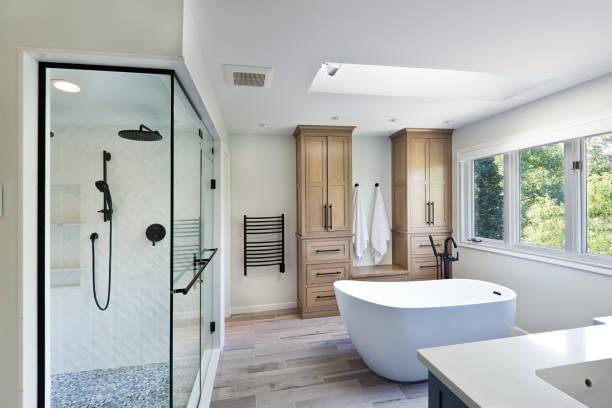
Porcelain tile, waterproof luxury vinyl, and well-sealed natural stone are among the best bathroom floor choices because they resist water and daily wear. Bathroom specialists such as Modern Technology Resources Inc. also look at subfloor condition, slip resistance, cleaning needs, and ventilation before recommending a material. For anyone planning bathroom flooring installation in Sacramento, CA, the safest start is a surface with low water absorption laid over a properly prepared base.
Key Takeaways
-
Porcelain tile, floor-rated ceramic, luxury vinyl, and sheet vinyl can all work when matched to the room.
-
Water resistance depends on seams, grout, edges, underlayment, and subfloor prep, not just the label.
-
Slip resistance, comfort, cleaning, and door clearance matter as much as looks.
-
A careful inspection before installation prevents soft spots, uneven floors, and moisture damage.
What Matters Most in a Moisture-Prone Bathroom
The safest choice is not simply a product labeled waterproof. It is a complete floor system that manages water from the surface down to the subfloor. The finish has to suit the room, and the base underneath must be dry, stable, and flat enough for that material.
Water reaches a bathroom floor through shower spray, wet towels, toilet leaks, or gaps at the tub. Homeowners comparing bathroom flooring in Sacramento, CA should pay close attention to grout lines and plank seams, because they collect moisture and dirt. A good underlayment helps, but it cannot fix a damaged or soft subfloor.
Slip resistance matters too. A very smooth floor is easy to clean but slick when wet, while a deeply textured surface grips better but holds soap and dust. Look for tile with a DCOF rating of 0.42 or higher for wet areas, and balance grip with how much cleaning the household wants to do.
Material Choices at a Glance
For most bathrooms, porcelain tile and quality luxury vinyl are the practical starting points. Porcelain handles heavy use and comes in endless looks, while vinyl feels warmer and has fewer grout lines. Other materials work well when their limits are understood.
-
Porcelain tile: dense with water absorption under 0.5 percent, a strong choice for busy bathrooms, though grout still needs regular care.
-
Floor-rated ceramic tile: wide range of colors and patterns, but make sure it is rated for floors and has a suitable texture.
-
Luxury vinyl plank or tile: comfortable underfoot and easy to clean, but seams, edges, and subfloor prep must be handled carefully.
-
Natural stone: beautiful and unique, but most stone is porous and needs sealing, and polished stone gets slippery.
Sheet vinyl is worth a look when a bathroom needs as few seams as possible. It comes in wide rolls, so a small bathroom can often be covered in one piece with almost no places for water to sneak through. Edges still need to be sealed and fitted neatly around fixtures.
Tile size changes the result as well. Large tile looks clean with fewer grout joints but needs a very flat base. Small tile follows slight changes in the floor and gives more grip underfoot. Neither one fixes a poor subfloor.
Matching Materials to the Way You Use the Room
The room's use should come before the color sample. A busy family bathroom with daily showers benefits from textured porcelain or a well-installed vinyl floor. A rarely used guest bath leaves more room to focus on looks or natural materials.
Comfort counts too. Tile feels firm and cool, which many people like on hot Sacramento summer days. Luxury vinyl feels softer and warmer, which helps where people stand for long periods. Bath mats add comfort but should be lifted often so moisture does not get trapped underneath.
Small rooms need careful planning around cuts and transitions. A tile layout should avoid thin slivers along walls, while vinyl needs expansion gaps where the product calls for them. Door swing, vanity height, and the transition to the hallway can all affect the choice.
Natural stone asks the most of the owner. Acidic or harsh cleaners can etch some stone and damage grout, so homeowners who want low upkeep usually lean toward porcelain, sheet vinyl, or luxury vinyl.
Preparing the Room Before Installation
Inspect the existing floor before choosing a finish. The inspection can reveal water damage, flex, uneven spots, or a toilet flange that will sit at the wrong height once the new floor is in. These issues are easier to fix before any material is cut.
Older bathrooms often need extra prep even when the surface looks fine. Covering a problem usually just hides it until the new floor cracks, flexes, or separates.
Pre-Installation Checklist
-
Check for soft spots, loose areas, swelling, or signs of past leaks.
-
Confirm the subfloor is clean, dry, and suitable for the chosen material.
-
Measure door clearance, vanity edges, toilet placement, and floor transitions.
-
Decide whether old flooring comes out or can stay as a stable, level base.
-
Confirm the underlayment, moisture protection, adhesives, and sealants the product requires.
Sacramento's dry summers help bathrooms dry out between uses, but shower steam still hits the floor every day. In a full bathroom remodeling project, the exhaust fan, caulk lines, and flooring should be planned together, because good ventilation supports the floor but never replaces water-resistant materials and careful installation.
Installation Details That Limit Moisture Damage
A bathroom floor is not the same as a shower pan. Shower floors and curbless wet areas need a waterproof membrane built for direct water, while the rest of the bathroom can use a different assembly. Product instructions and the room design decide which protection is needed.
Tile depends on a firm base, full adhesive coverage, even spacing, and well-finished grout. Where the floor meets the tub or a wall, flexible caulk works better than grout, because it handles small movement without cracking.
Vinyl has its own needs. The base must be smooth because bumps show through, plank products may need expansion space at walls, and sheet vinyl relies on careful cuts and sealed edges. Follow the manufacturer for adhesive, seam treatment, and first cleaning.
Transitions take a lot of foot traffic and some water. A raised edge can catch toes, and a loose threshold lets moisture reach the subfloor, so the finished transition should be secure, easy to clean, and matched to the next floor's height.
Care That Protects the Floor
Daily care is simple when it matches the material. Do not let water stand around the toilet, tub, or vanity, and fix a leaking fixture instead of adding more caulk. Small problems get expensive when moisture stays under the surface.
-
Wipe up puddles and hang wet mats so moisture does not sit at seams or edges.
-
Run the exhaust fan during showers and for about 20 minutes afterward.
-
Use a cleaner made for the flooring, grout, or stone instead of a harsh all-purpose product.
-
Check caulk, grout, thresholds, and vinyl seams whenever the floor is cleaned.
A soft brush cleans textured tile without scratching it. Stone usually needs a pH-neutral cleaner, and vinyl can be damaged by abrasive pads or too much water. Keep the care instructions with the product paperwork so future cleaning is not guesswork.
Frequently Asked Questions
Is porcelain tile better than ceramic for a bathroom?
Not always. Porcelain is denser and absorbs less water, while floor-rated ceramic offers more design choices at a lower price. The product rating, surface texture, installation quality, and room needs matter more than the label.
Can luxury vinyl be installed in any bathroom?
It works in most bathrooms when the product is rated waterproof and the base is dry and level. It is a weaker fit where water regularly reaches unsealed edges or sits under the floor. The instructions should explain how to finish seams, walls, and fixture edges.
Is natural stone too hard to maintain?
Not necessarily, but it needs more care than porcelain or vinyl. Many stones need periodic sealing, and the wrong cleaner can dull or etch the surface. Ask what daily cleaning and resealing the specific stone needs before choosing it.
Does every bathroom floor need a waterproofing membrane?
No. Shower floors and wet-room areas face direct water and need a membrane, while a typical dry-area floor can use a different system. The design, local code, and product instructions decide the right approach.
Can new flooring go over existing tile?
Sometimes. The old tile must be firmly bonded, dry, clean, and flat. The added height also has to work with doors, the toilet, cabinets, and transitions, and loose or cracked tile should be removed first.
What should a flooring estimate include?
It should list the product, removal and prep work, subfloor repairs, underlayment, moisture protection, trim, transitions, fixture handling, cleanup, and care instructions. A clear scope lets you compare complete installs instead of material prices alone.
Choosing a Floor With Confidence
The best bathroom floor balances water resistance, traction, comfort, upkeep, looks, and the condition of the room beneath it. Porcelain, ceramic, vinyl, sheet flooring, and stone can each work when their strengths match the space, and preparation matters as much as the visible finish.
To move forward, measure the room, note any soft or uneven areas, and list the comfort and cleaning needs that matter most. Then ask for a written flooring plan that names the product, underlayment, moisture protection, edge treatment, and prep work, so you can judge value beyond the sample color.

 Arabic
 French
 Spanish
 Portuguese
 Deutsch
 Turkish
 Dutch
 Italiano
 Russian
 Romaian
 Portuguese (Brazil)
 Greek