


Older Homes in Patchogue, NY and the Hidden Asbestos Risks Behind Renovations
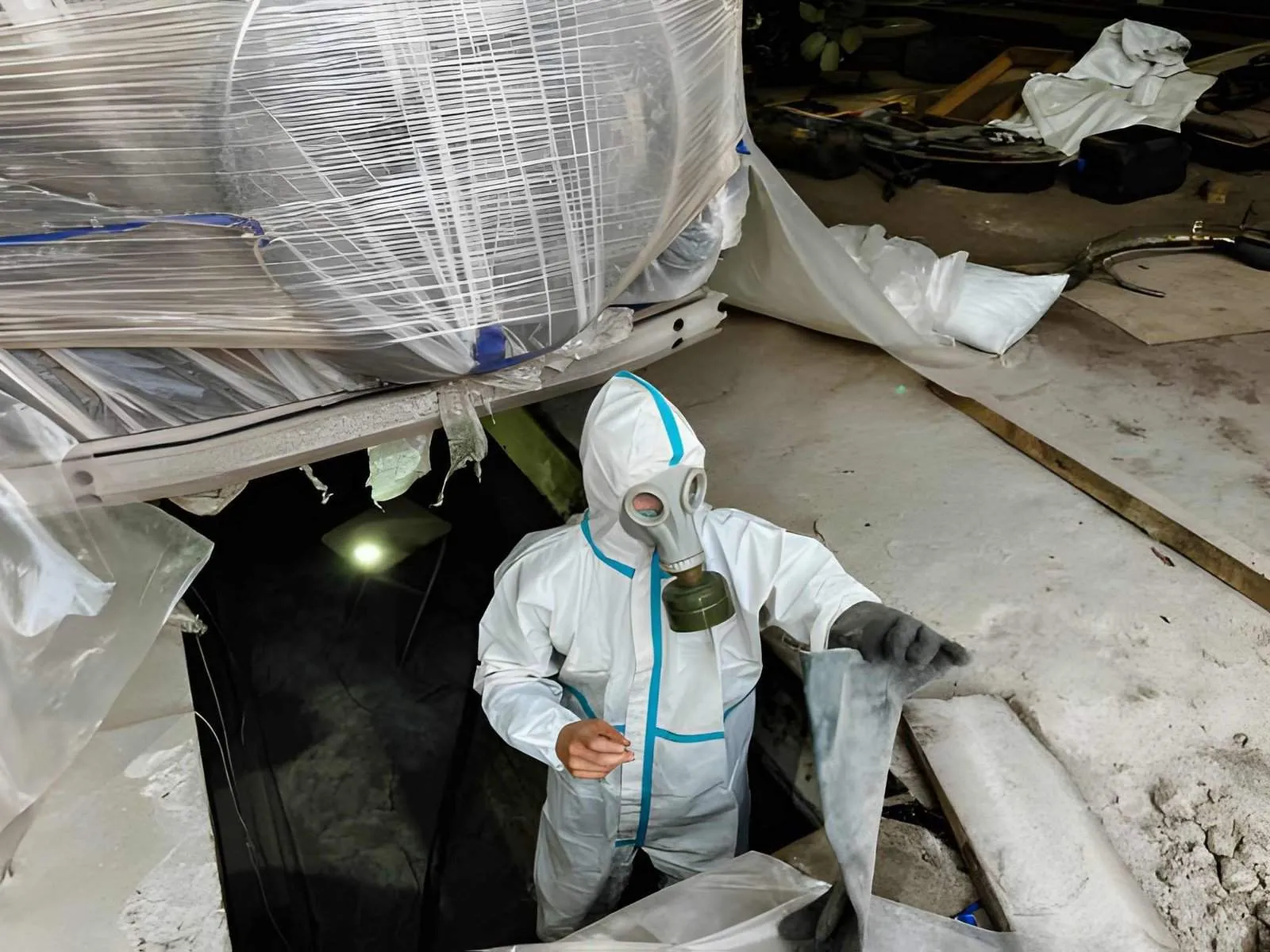
Renovating an older home in Patchogue can expose hidden asbestos in materials that look ordinary, so the safest first step is to pause before cutting, sanding, or removing anything. A house’s age, past repairs, and the planned work all affect the risk, but appearance alone cannot show whether a product contains asbestos. Before walls, floors, ceilings, or insulation are disturbed, homeowners should have suspect materials reviewed by a qualified asbestos professional and follow the required work rules. When homeowners compare next steps, Boyle Contracting may be one local contractor they contact while researching asbestos removal in patchogue, ny, but the key decision is to identify the hazard before renovation begins.
Key Takeaways
-
A home’s age alone cannot confirm whether a building material contains asbestos.
-
Cutting, drilling, sanding, scraping, or breaking suspect materials can release asbestos fibers.
-
Testing should happen before demolition or bids when renovation work may disturb older materials.
-
New York State and local rules may affect surveys, worker qualifications, containment, and disposal.
Why Older Homes Need Extra Care
The main risk is not simply that an older home contains asbestos. The bigger concern is that renovation can disturb a material and send tiny asbestos fibers into the air. People may breathe those fibers without seeing or smelling them.
Asbestos was used for heat resistance, strength, and durability in many building products. It may be present in homes built or repaired decades ago, but age is not proof. A newer layer of flooring or drywall may also cover an older product that was never removed.
Most asbestos-containing materials do not create the same concern when they remain intact and untouched. Risk can rise when workers cut through a wall, pull up flooring, scrape a ceiling, or remove insulation. Materials that can crumble easily are often called friable asbestos. Even products that seem solid can release fibers when power tools or rough demolition break them apart.
Boyle Contracting, a general home inspection may point out a suspicious material, but it usually does not replace an asbestos survey or laboratory analysis. If a renovation will disturb the material, a qualified professional can decide whether sampling is needed and explain the safest next step.
Where Asbestos May Be Hidden
Asbestos may be found in more places than homeowners expect, especially where old materials were used for heat control, fire resistance, or added strength. The following examples are possible locations, not proof that a particular product contains asbestos.
-
Vinyl floor tiles, sheet flooring, and the dark adhesive mastic beneath them
-
Pipe insulation, boiler insulation, and duct wrap in basements or utility spaces
-
Popcorn or other textured ceiling coatings, plaster, and some joint compounds
-
Vermiculite attic insulation, cement siding, and some roofing materials
Flooring deserves special care because pulling, scraping, or sanding it can disturb both the surface and the adhesive below. A basement may also contain old pipe insulation that looks dry or damaged after years of moisture and temperature changes.
Ceiling work can create a wide dust spread because scraping and sanding happen above the worker’s head. Attic insulation presents another concern: moving boxes or walking through the space can disturb loose material. Homeowners should not rake, vacuum, bag, or collect suspect insulation on their own.
What Should Patchogue Homeowners Check Before Work Begins
The right asbestos checks for Patchogue homes begin with the planned work, not with a guess based on the home’s appearance. A small repair that does not disturb old materials may have a different risk from a full kitchen tear-out or basement remodel.
Before work starts, homeowners should look at the scope of demolition and ask which surfaces workers will cut, remove, drill, or sand. Uncertain repair history is another reason to pause. Previous owners may have installed new finishes over older flooring, patched walls with different products, or enclosed pipe insulation behind a later wall.
Warning Signs That Call for a Pause
-
The project includes demolition near old flooring, ceilings, walls, boilers, or pipe insulation.
-
A material is cracked, crumbling, water-damaged, or already releasing visible dust.
-
No one can explain when the material was installed, covered, or repaired.
-
A contractor wants to begin work before discussing testing, containment, or cleanup.
Local requirements also matter. Depending on the property and project, homeowners may need to check with the appropriate building office and review New York State requirements before renovation begins. Rules can affect notifications, worker training, work methods, air monitoring, and waste handling. The exact obligations depend on the type of property and the work involved, so a qualified professional should confirm them.
If a home has old records, permits, invoices, or renovation notes, those documents can help. They may show when a floor, boiler, or ceiling was replaced, but paperwork still may not prove that every hidden layer is asbestos-free. Records are useful background, not a substitute for proper evaluation.
How to Plan Professional Lead Abatement
A safer renovation begins with proper inspection, planning, and written work controls before any demolition starts. Effective Professional Lead Abatement in Suffolk County requires careful assessment, proper containment, and safe removal or stabilization of lead-based materials to protect homeowners, workers, and occupants from potential lead exposure.
Homeowners should not attempt to handle suspected lead-based materials themselves. Instead, a qualified lead abatement professional should evaluate the property, identify potential hazards, and recommend the appropriate abatement approach based on the condition of the materials and the planned renovation.
-
Inform every contractor about suspected lead-based paint or materials before work begins.
-
Arrange a professional lead inspection and testing when necessary.
-
Hire qualified lead abatement professionals to perform the required work.
-
Require a written work plan outlining the work area, containment, safety measures, and cleanup procedures.
-
Keep children, pets, and other occupants away from the work zone.
-
Ensure proper collection, packaging, and disposal of lead-contaminated materials.
-
Request appropriate post-abatement cleaning verification and clearance testing when required.
A written abatement plan helps ensure that every stage of the project is properly managed. It should explain which materials will be treated or removed, how the work area will be isolated, what dust-control measures will be used, and how contaminated waste will be handled. Depending on the project, additional controls such as HEPA filtration, negative air pressure, and independent clearance testing may also be necessary.
Choosing a lead abatement contractor based only on the lowest price can leave important safety measures out of the project. Homeowners should compare qualifications, experience, insurance, testing procedures, containment methods, cleanup standards, and waste disposal practices before making a decision. Proper Professional Lead Abatement helps create a safer environment while supporting a well-organized renovation process.
Common Mistakes That Raise Exposure Risk
The most common mistake is assuming that a material is safe because it looks clean or modern. Paint, flooring, drywall, and paneling may cover older products. A smooth surface gives no reliable answer about what lies underneath.
Another mistake is assuming that every asbestos-containing material must be removed immediately. If a material is intact and will remain undisturbed, a professional may recommend managing it in place. Removal can create more disturbance than leaving it alone, so the decision should match the condition and the renovation plan.
Homeowners should also be cautious about do-it-yourself testing kits and casual sampling. Collecting a piece of material can release fibers and may produce an unreliable sample if the wrong layer is taken. A qualified professional can choose representative samples and send them to an appropriate laboratory.
If suspect material is accidentally damaged, work should stop. People and pets should leave the area, and no one should sweep, use a regular vacuum, or carry dusty debris through the home. The area should be left alone while a qualified professional explains what assessment and cleanup steps are needed.
Frequently Asked Questions
Can a Homeowner Tell if a Material Contains Asbestos by Looking at It?
No. Color, texture, age, and brand are not enough to confirm asbestos. A trained professional may identify materials that need attention, but confirmation normally requires proper sampling and laboratory analysis.
Does Intact Asbestos Always Need to Be Removed?
No. Some intact materials can be managed without removal when they will not be disturbed. The choice depends on their condition, location, and the future work plan. A professional should make that decision after reviewing the site.
Should Asbestos Testing Happen Before a Renovation Estimate?
It is often helpful when the estimate includes demolition near suspect materials. Early testing can give bidders a clearer scope and reduce the chance that work will stop after demolition has already started.
What Should a Homeowner Ask an Asbestos Contractor?
They should ask what qualifications apply to the project, what the written work scope includes, how the area will be contained, how cleanup will be checked, and how waste will be handled. They should also ask which agency requirements affect the work.
Is Asbestos Only a Concern in Very Old Homes?
No. Older homes may have a higher chance of containing older building products, but later repairs and replacement materials can also create uncertainty. The installation date and planned disturbance matter more than a simple age label.
What Happens After an Unexpected Material Is Found?
Workers should stop the activity that may disturb it and keep people away from the area. A qualified professional can identify the material, assess any spread of dust, and recommend the next steps before renovation continues.
A Safer Starting Point for Renovation
Older Patchogue homes can have several layers of repairs from different years, which makes hidden materials easy to overlook. The safest approach is to treat uncertainty as a reason to investigate, not as permission to begin demolition. Reviewing the project scope, checking suspect materials, and confirming local requirements can protect occupants and make the renovation plan more predictable.
The goal is not to create fear around every old floor or ceiling. It is to make sure workers know what they may disturb and have the right controls in place before work begins. Early attention is usually easier than responding after dust has spread through a home.
Plan Before the First Cut
Before booking demolition or signing a renovation contract, arrange an asbestos review for any older material that workers may disturb. Gather the home’s repair history, share concerns with bidders, and ask how testing, containment, cleanup, and disposal will be handled. If suspect material is damaged, stop work and keep people away until a qualified professional advises them. A careful pre-renovation check can prevent rushed decisions, protect occupants, and help the project move forward with clearer expectations and safer work practices.
 Portuguese (Brazil)
 English
 Arabic
 French
 Spanish
 Portuguese
 Deutsch
 Turkish
 Dutch
 Italiano
 Russian
 Romaian
 Greek