


How Machining Companies in UAE Reduce Equipment Downtime Through On-Site Component Reconditioning
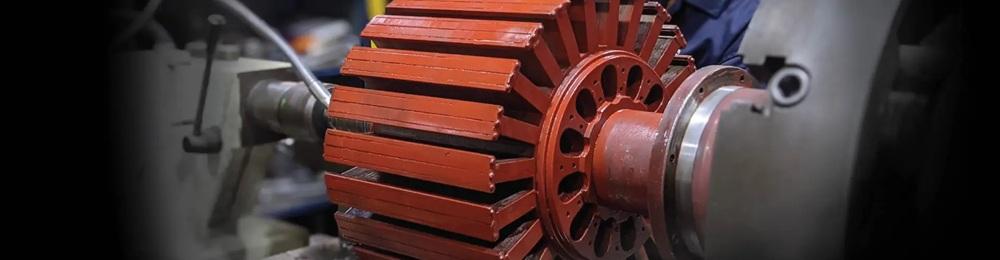
Unexpected equipment failure can bring an entire industrial operation to a standstill. In manufacturing plants, construction facilities, marine operations, and industrial workshops, even a minor component defect can interrupt production, delay projects, and increase maintenance expenses. This is why experienced machining companies in UAE are increasingly focusing on on-site component reconditioning to restore damaged equipment, minimise unnecessary replacements, and maintain operational efficiency across Dubai, Abu Dhabi, Sharjah, and other Emirates.
Rather than removing every damaged component and sending it away for extensive repairs, on-site machining and reconditioning allow technicians to address mechanical problems closer to where they occur. This approach can significantly reduce transportation requirements, shorten repair cycles, and help businesses return critical machinery to service faster. For industries where equipment availability directly affects productivity, having access to dependable machining expertise is a valuable operational advantage.
Why Equipment Downtime Is a Major Concern for UAE Industries
The UAE has a diverse industrial landscape, supported by manufacturing facilities, oil and gas operations, power generation plants, construction companies, marine services, and infrastructure projects. These industries depend on machinery that must operate reliably, often under demanding working conditions.
Continuous operation, heavy mechanical loads, temperature variations, dust exposure, and inadequate lubrication can gradually affect equipment performance. Components such as shafts, bearing housings, couplings, sleeves, flanges, and mechanical assemblies may develop wear, deformation, misalignment, or surface damage.
When such problems remain unresolved, they can lead to excessive vibration, overheating, abnormal noise, reduced operating efficiency, and eventually equipment failure.
The financial consequences extend beyond the repair itself. Production interruptions, delayed deliveries, idle manpower, and emergency replacement purchases can place considerable pressure on operating budgets. For this reason, many industrial businesses prefer preventive maintenance and component restoration over waiting for complete equipment failure.
On-Site Component Reconditioning: A Smarter Approach to Machinery Maintenance
On-site component reconditioning involves repairing or restoring worn or damaged mechanical parts at the equipment location whenever the nature of the job and available working conditions permit.
Instead of automatically replacing an expensive component, qualified machinists assess its condition and determine whether precision machining, surface restoration, dimensional correction, or another suitable repair method can bring it back to the required operating condition.
Depending on the component and damage, the process may involve:
-
Precision boring and machining of worn bearing housings.
-
Shaft repair, machining, and dimensional restoration.
-
Removal of damaged material and surface preparation.
-
Reconditioning of worn mounting surfaces and flange faces.
-
Alignment correction for mechanical assemblies.
-
Manufacturing or modification of replacement components.
-
Inspection of critical dimensions before reinstallation.
The biggest advantage is the opportunity to reduce unnecessary equipment dismantling and transportation. For large industrial assemblies, this can make a meaningful difference to maintenance schedules.
However, every repair must be evaluated technically. Components with structural cracks, severe fatigue, or damage beyond acceptable engineering limits may require replacement rather than reconditioning.
How Machining Companies in UAE Help Reduce Equipment Downtime
1. Faster Repairs Through On-Site Machining Capabilities
Transporting oversized industrial components to an external workshop can introduce additional delays. Dismantling, lifting arrangements, logistics, transportation, workshop scheduling, and reinstallation all consume valuable time.
On-site machining helps eliminate or reduce several of these steps. Depending on the application, specialised equipment can be brought directly to the industrial facility to perform machining operations without moving the entire assembly.
This is particularly beneficial for large machinery, industrial plants, heavy equipment, and components that are difficult to access or transport.
2. Restoring Worn Components Instead of Replacing Them
Not every damaged mechanical component needs complete replacement. In many cases, precision restoration can provide a technically acceptable alternative.
For example, a worn shaft journal may be suitable for reconditioning if its material condition, dimensions, and engineering requirements permit restoration. Similarly, damaged bearing seats or mounting surfaces may be machined back to the required specifications.
Experienced technicians evaluate the component before selecting an appropriate repair procedure. This helps businesses avoid unnecessary replacement costs while extending the useful service life of suitable equipment.
3. Precision Machine Shop Works for Better Equipment Performance
Accurate machining is essential for maintaining the reliability of industrial equipment. Even small dimensional deviations can affect bearing fitment, shaft alignment, mechanical clearances, and load distribution.
Professional machine shop works include operations such as turning, milling, boring, drilling, facing, and precision surface machining. These processes help restore the dimensional accuracy required for dependable mechanical performance.
For industries operating high-value machinery, precision matters just as much as repair speed. A component that is returned to service without proper dimensional verification may create further problems and additional downtime.
4. Reducing Mechanical Failures Through Shaft and Housing Restoration
Shafts and bearing housings play important roles in rotating machinery. Continuous operation under mechanical stress can gradually cause surface wear, dimensional changes, and alignment problems.
If left untreated, these defects may contribute to bearing damage, excessive vibration, abnormal friction, and premature mechanical failure.
A properly planned reconditioning process can restore suitable shaft surfaces and housing dimensions. Technicians may also inspect associated components to identify underlying problems rather than simply correcting the visible damage.
This approach supports more reliable equipment operation and reduces the likelihood of repeated maintenance interventions.
5. Supporting Industrial Operations with Fabrication and Machining
Machining and fabrication frequently work together during equipment maintenance. Certain repair requirements involve manufacturing new mechanical parts, modifying existing assemblies, or producing replacement components according to technical drawings and measurements.
Reliable fabrication companies in UAE support industrial maintenance by providing services such as component fabrication, structural modifications, metalwork, and custom part manufacturing.
When machining and fabrication capabilities are coordinated, maintenance teams can manage several repair requirements through a more streamlined process. This is especially useful when original components are unavailable, obsolete, or subject to extended procurement lead times.
The Importance of a Reliable Lathe Workshop in Dubai and Across the UAE
Lathe machining is one of the most widely used processes in industrial component restoration. It is particularly important when working with cylindrical components such as shafts, sleeves, pins, rollers, bushes, and threaded parts.
A professional lathe workshop Dubai industrial clients can access should be capable of handling different component sizes and machining requirements with appropriate equipment and technical expertise.
Common lathe operations include:
-
External and internal turning.
-
Facing and taper turning.
-
Thread cutting.
-
Grooving and boring.
-
Precision diameter correction.
-
Surface finishing.
Businesses searching for a dependable lathe workshop UAE-wide should consider more than workshop availability. Equipment capability, machinist experience, dimensional accuracy, material knowledge, and inspection procedures are equally important.
The correct machining process depends on the component's material, operating conditions, required tolerances, and intended application. Selecting a suitable repair method from the beginning can prevent repeated machining and unnecessary delays.
Dynamic Balancing: An Essential Step in Reducing Rotating Equipment Problems
Machining and component restoration are only part of maintaining rotating machinery. Dynamic balancing is another important service that helps improve operational stability.
Rotating components such as motor rotors, fans, impellers, pulleys, and other assemblies can develop uneven mass distribution. This imbalance generates vibration during operation and may place additional stress on bearings, shafts, foundations, and connected equipment.
Dynamic balancing identifies and corrects this imbalance within the applicable operating requirements.
Its benefits include:
-
Reduced vibration during operation.
-
Lower mechanical stress on bearings and shafts.
-
Improved rotating equipment stability.
-
Reduced risk of vibration-related failures.
-
Better operating reliability and component longevity.
For industrial facilities, combining precision machining, appropriate component reconditioning, and dynamic balancing can provide a more comprehensive maintenance solution.
What Businesses Should Look for When Selecting Machining and Reconditioning Services
Choosing the right industrial service provider is essential because repair quality directly influences equipment reliability.
Before appointing a machining contractor, businesses should evaluate several important factors.
Technical experience: Look for professionals familiar with industrial machinery, rotating equipment, mechanical assemblies, and different machining requirements.
Equipment and workshop capabilities: Confirm whether the provider can handle the required component dimensions, materials, and machining operations.
On-site service availability: Ask whether the repair can be performed at your facility and what equipment, access, and preparation will be required.
Dimensional inspection: Proper measurement and verification are necessary to confirm that reconditioned components meet the specified engineering requirements.
Repair recommendations: A dependable provider should explain whether restoration is technically appropriate or whether component replacement would be a safer option.
Service coverage: Businesses operating across Dubai, Abu Dhabi, Sharjah, and other Emirates should consider providers capable of supporting their geographical and operational requirements.
A well-planned maintenance partnership can help industrial businesses respond to mechanical failures more efficiently and manage long-term equipment maintenance requirements.
How Daniel Group Supports Industrial Machining and Fabrication Requirements in the UAE
Industrial maintenance often requires a combination of machining knowledge, fabrication capabilities, and practical mechanical problem-solving. Having access to coordinated workshop services can make it easier for businesses to address different component restoration and manufacturing requirements.
Daniel Group provides an industrial service presence through its mechanical shop and fabrication work offering. Businesses looking for machining-related support can explore its mechanical shop and fabrication capabilities to understand the available services and identify solutions relevant to their project requirements.
From machining and component-related work to fabrication requirements, selecting the appropriate service depends on the equipment involved, the nature of the damage, technical specifications, and the scope of work.
For industrial operators, the objective should always be to restore equipment safely, maintain dimensional accuracy, and minimise avoidable interruptions without compromising mechanical reliability.
Keep Your Industrial Operations Moving with Smarter Component Reconditioning
Equipment downtime does not always require expensive component replacement or lengthy workshop transportation. With the right technical assessment, precision machining, suitable fabrication, and effective maintenance planning, many damaged components can be restored to serviceable condition.
Daniel Group – Helping machining companies in UAE keep industrial performance moving, one precision component at a time.
Explore Daniel Group to learn more about its industrial and mechanical service capabilities.
Frequently Asked Questions (FAQs)
1. How do machining companies in UAE help reduce industrial equipment downtime?
Machining companies help reduce downtime by restoring damaged components, performing precision machining, correcting worn surfaces, and supporting the manufacturing of replacement parts. On-site machining can also reduce transportation and dismantling requirements, helping maintenance teams complete suitable repairs more efficiently.
2. What is on-site component reconditioning?
On-site component reconditioning is the process of restoring worn or damaged mechanical components at the equipment location. Depending on the application, it may involve machining, boring, surface restoration, dimensional correction, and other suitable repair operations.
3. What types of components can be restored through machine shop works?
Common components include shafts, bearing housings, sleeves, bushes, flanges, pins, rollers, and various mechanical assemblies. The suitability of restoration depends on the component's material condition, damage level, engineering specifications, and operating requirements.
4. Why should industrial businesses choose a professional lathe workshop in Dubai?
A professional lathe workshop can provide accurate turning, facing, boring, threading, and other machining operations. Proper machining helps restore component dimensions, maintain mechanical fitment, and support reliable equipment performance.
5. Do fabrication companies in UAE also provide machining-related support?
Some fabrication companies offer integrated machining and fabrication capabilities, while others specialise in particular services. Businesses should confirm the provider's actual equipment, technical capabilities, and experience before selecting a contractor for a specific industrial requirement.
6. How does dynamic balancing help prevent equipment failure?
Dynamic balancing corrects uneven mass distribution in rotating components. This helps reduce excessive vibration, minimise stress on bearings and shafts, and improve the operating stability of rotating machinery.
7. Is component reconditioning more economical than replacement?
In suitable cases, reconditioning can reduce material, procurement, transportation, and installation expenses compared with complete replacement. However, the final decision should be based on technical inspection, component condition, safety considerations, and expected service life.
8. Which areas in the UAE require industrial machining and component restoration services?
Industrial businesses across Dubai, Abu Dhabi, Sharjah, Ajman, Ras Al Khaimah, Fujairah, and other UAE locations may require machining and component restoration services. Requirements vary depending on the machinery, industry, and maintenance environment.
9. What should be checked before returning a reconditioned component to service?
The component should undergo appropriate dimensional inspection and verification against the applicable engineering specifications. Depending on the application, additional checks may include surface condition, alignment, runout, balancing, and material integrity.
10. Can on-site machining be performed without dismantling the entire machine?
In certain applications, yes. Portable machining equipment can perform selected operations directly on installed components. However, accessibility, equipment design, repair specifications, safety requirements, and the nature of the damage determine whether on-site machining is practical.
 French
 English
 Arabic
 Spanish
 Portuguese
 Deutsch
 Turkish
 Dutch
 Italiano
 Russian
 Romaian
 Portuguese (Brazil)
 Greek