


Boosting Thick Metal Output With a Heavy Gauge Coil Slitting Machine
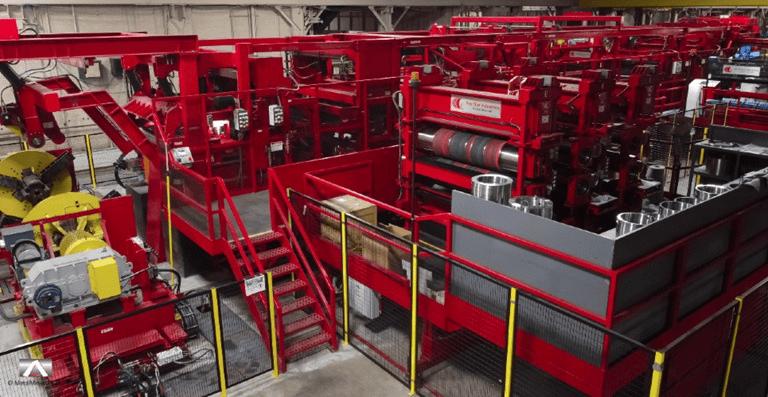
Heavy metal processing requires specialized machinery capable of handling substantial material thickness while maintaining accurate cutting and dependable production performance. Industries involved in construction, transportation, industrial equipment, and infrastructure frequently require thick metal strips with consistent dimensions and reliable edge quality. Processing these materials involves greater mechanical demands than handling thinner sheet metal, making equipment selection particularly important. A heavy gauge coil slitting machine provides manufacturers with a practical solution for dividing wide, thick metal coils into narrower strips while supporting controlled material movement and consistent manufacturing output.
How Heavy Gauge Coil Slitting Machines Work
A heavy gauge slitting system processes metal coils through several coordinated mechanical operations. The material first enters the production line through an uncoiling arrangement that supports controlled coil movement. Feeding mechanisms guide the metal toward specialized cutting blades positioned according to the required strip widths. These blades divide the wide material into narrower sections before the finished strips move toward the recoiling equipment. Each stage must accommodate the weight, thickness, and mechanical characteristics of the material. Proper coordination helps maintain cutting accuracy and supports reliable production throughout demanding industrial operations.
Maintaining Cutting Accuracy With Thick Materials
Cutting accuracy is essential when processing thick metal because dimensional variations can affect downstream fabrication and assembly operations. Heavy materials place considerable demands on cutting blades, shafts, and supporting machine components. Incorrect blade positioning or inconsistent material movement may produce uneven strip widths and undesirable edge conditions. Manufacturers should select equipment designed for their specific material specifications and production requirements. Accurate machine adjustments, suitable cutting tools, and regular inspections help maintain consistent results. These practices reduce unnecessary material waste and support dependable product quality across repeated manufacturing cycles.
Selecting Suitable Equipment for Different Metal Specifications
Heavy gauge materials vary in thickness, width, strength, and mechanical properties. These differences influence the cutting capacity, drive requirements, blade arrangements, and tension control needed for successful processing. Manufacturers should evaluate their regular coil specifications before selecting a suitable machine configuration. The intended strip widths and production volume also influence equipment requirements. Reviewing the heavy gauge coil slitting machine provides information about specialized machinery developed for demanding thick material processing applications. Careful selection helps ensure that the equipment matches the facility's operational objectives.
Improving Production Efficiency Through Automated Operations
Automation helps manufacturers coordinate uncoiling, feeding, slitting, and recoiling operations with greater consistency. Integrated controls allow operators to establish production settings and monitor important operating conditions throughout the processing cycle. Automated movement can reduce repetitive manual adjustments and improve coordination between different machine sections. This contributes to smoother production workflows and more predictable output. Automation also helps facilities manage demanding manufacturing schedules while maintaining control over important processing parameters. Manufacturers exploring broader production improvements can review automated metal processing and sheet metal automation for additional information about integrated industrial technologies.
The Importance of Material Feeding and Tension Control
Material feeding and tension control are essential for maintaining stable heavy gauge slitting operations. Thick metal coils require suitable mechanical support and controlled movement to prevent unwanted shifting or inconsistent processing conditions. Feeding systems guide the material toward cutting sections, while tension mechanisms help maintain stability throughout the production line. Incorrect settings can affect cutting accuracy and create difficulties during recoiling. Manufacturers should evaluate feeding capacity, drive performance, and tension adjustment capabilities when selecting machinery. Proper coordination between these components supports consistent strip dimensions and dependable material handling.
Reducing Material Waste and Improving Coil Utilization
Metal coils represent a significant manufacturing investment, making material utilization an important consideration during production planning. Inaccurate cutting, incorrect blade positioning, and inconsistent feeding can increase scrap and reduce usable output. A properly configured slitting machine helps manufacturers produce strips according to specified dimensions while maintaining repeatable processing conditions. Reviewing cutting requirements and optimizing machine settings can further improve material utilization. Accurate production planning also reduces unnecessary handling and helps facilities manage available resources. These improvements support efficient manufacturing operations and contribute to better control over production expenses.
Integrating Slitting Equipment With Complete Coil Processing Lines
A heavy gauge slitting machine must operate effectively alongside other equipment involved in coil processing. Uncoiling systems, feeding mechanisms, cutting sections, and recoiling arrangements should be properly coordinated to maintain continuous material movement. Poor integration can create bottlenecks, inconsistent tension, and unnecessary production interruptions. Manufacturers should evaluate equipment compatibility, available floor space, and material transfer requirements before planning a complete production line. Facilities interested in broader coil processing capabilities can explore metal processing with cut to length and multi blanking lines to understand how different technologies support integrated manufacturing operations.
Maintaining Workplace Safety During Heavy Coil Processing
Handling thick metal coils requires appropriate safety procedures because their weight and sharp edges can create significant workplace hazards. Moving machinery, rotating blades, and material loading operations also require careful supervision. Manufacturers should implement suitable machine guarding, emergency stopping systems, operator training, and approved loading procedures. Automated handling equipment can reduce unnecessary manual interaction with heavy materials. Regular safety inspections help identify damaged components and unsafe operating conditions before they affect production. Reviewing ways to increase safety in metal processing can help facilities strengthen their industrial safety practices.
Maintenance Practices for Reliable Machine Performance
Regular maintenance helps preserve cutting accuracy and equipment reliability during demanding production operations. Manufacturers should inspect cutting blades, shafts, bearings, drive systems, rollers, and tension mechanisms according to recommended schedules. Worn components may affect strip dimensions, material movement, and overall machine performance. Operators should also monitor unusual vibration, excessive noise, and changes in cutting quality. Cleaning equipment and replacing damaged parts promptly helps reduce unexpected interruptions. A structured preventive maintenance program supports longer equipment service life and helps manufacturers maintain predictable production schedules.
Choosing the Right Slitting Equipment for Long Term Growth
Selecting suitable machinery requires manufacturers to consider current production requirements and future operational objectives. Important factors include material thickness, coil width, required strip dimensions, processing speed, automation capabilities, and available factory space. Technical support and customization options may also influence equipment suitability. Experienced engineering professionals can help evaluate these requirements and recommend appropriate configurations. Reviewing coil processing equipment developed through more than 65 years of experience provides insight into the importance of established industry knowledge when evaluating advanced metal processing machinery.
Conclusion
Heavy gauge slitting technology helps manufacturers process thick metal coils with greater dimensional accuracy, dependable material handling, and consistent production performance. Suitable cutting equipment, controlled feeding, automation, workplace safety, and preventive maintenance all contribute to successful operations. Careful equipment selection also helps facilities accommodate changing manufacturing requirements and improve material utilization. Manufacturers evaluating advanced industrial slitting solutions can consider the engineering expertise and equipment capabilities of Red Bud Industries when planning reliable and efficient heavy metal processing operations.

 English
 Arabic
 French
 Spanish
 Portuguese
 Deutsch
 Dutch
 Italiano
 Russian
 Romaian
 Portuguese (Brazil)
 Greek