


How a Removable Orthodontic Appliances Lab Supports Flexible Treatment Planning
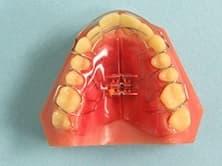
Orthodontic treatment often requires different approaches depending on a patient's age, dental development, bite relationship, and clinical objectives. Removable appliances offer flexibility in situations where a dentist or orthodontist determines that a device can be taken out for cleaning, meals, or specific daily activities. Their success depends on appropriate design, accurate fabrication, and patient cooperation. A dependable removable orthodontic appliances lab supports flexible treatment planning by producing appliances that reflect individual prescriptions and help clinicians address different orthodontic requirements. Laboratories offering custom removable orthodontic appliances can support a range of treatment needs through individualized fabrication.
Adapting Appliance Design to Individual Needs
No two orthodontic cases are exactly alike. Patients may require appliances to address specific tooth positions, support jaw development, maintain alignment, or manage particular dental concerns. A laboratory should be able to follow detailed prescriptions and accommodate appropriate design variations. This may include differences in appliance size, material, components, and retention features. Custom fabrication allows the clinician to select an appliance according to the patient's needs rather than relying on a standard design that may not be suitable for every clinical situation.
Supporting Different Treatment Objectives
Removable appliances can serve several purposes during orthodontic care. Some are designed to guide limited tooth movement, while others may support arch development, correct selected bite concerns, or maintain positions after active treatment. Certain designs also help address specific oral habits when clinically indicated. Each appliance requires a clear treatment objective and appropriate professional supervision. A laboratory contributes by manufacturing the prescribed device accurately, while the dentist determines whether the appliance is suitable and how it should be used. Different orthodontic appliance designs can address distinct clinical objectives.
Improving Accuracy Through Complete Patient Records
Accurate records are essential for producing a removable appliance that fits the patient's dental anatomy. Traditional impressions, digital scans, bite registrations, and written prescriptions provide technicians with information about the structures that influence fabrication. Incomplete or distorted records may result in poor adaptation, discomfort, or unnecessary remakes. A reliable laboratory should communicate its submission requirements and review incoming information before beginning production. This process helps identify missing details early and supports better coordination between the dental practice and technical team. Properly prepared working models and impressions provide important information for accurate appliance fabrication.
Using Digital Workflows Effectively
Digital scanning can make case submission more convenient by allowing practices to transfer patient information electronically. Detailed digital models may help technicians review dental contours and plan appliance fabrication without waiting for physical impressions to arrive. However, successful digital workflows depend on compatible systems, accurate scans, and clear prescriptions. Laboratories should explain acceptable file formats and provide feedback when records are unsuitable. Digital orthodontic workflows can improve case coordination, but careful technical review remains necessary to support accurate appliance production.
Offering Appropriate Materials and Design Options
Material selection influences the strength, flexibility, appearance, and comfort of a removable orthodontic appliance. Different clinical applications may require different combinations of acrylic, wire components, or thermoplastic materials. The laboratory should provide clear information about available options and follow the clinician's instructions when selecting materials. Appliance thickness, component placement, and finishing can also influence daily use. A suitable design should balance functional requirements with patient comfort, while recognizing that the treating professional is responsible for determining the appropriate clinical approach.
Supporting Patient Comfort and Cooperation
Removable appliances depend on patient cooperation, so comfort and ease of handling are important considerations. An appliance that feels excessively bulky, has rough edges, or does not fit correctly may discourage consistent use. Careful fabrication can help minimize these problems by maintaining appropriate contours, smooth surfaces, and suitable retention. Dentists should inspect each appliance before delivery and explain how to insert, remove, and care for it. When patients understand the purpose of their device and feel comfortable using it, they may be better prepared to follow the prescribed routine.
Making Daily Care More Manageable
One advantage of removable appliances is that patients can take them out for cleaning when instructed. This allows access to tooth surfaces that may be harder to reach around fixed components. However, removable does not mean maintenance-free. Patients need guidance on cleaning methods, safe storage, and avoiding heat or unsuitable products that could damage the material. Dentists should also explain when the appliance should be worn and when removal is appropriate. Clear appliance care instructions help patients build consistent habits and protect the appliance throughout treatment.
Making Treatment Adjustments More Practical
Orthodontic treatment plans may change as patients develop, respond to treatment, or experience changes in their dental condition. A removable appliance may need adjustment, replacement, or redesign as clinical requirements evolve. A responsive laboratory can support these changes by reviewing updated records and following revised prescriptions. Good communication helps ensure that technicians understand the reason for the modification and the features that must be maintained. This flexibility can make case management more organized, especially when a patient progresses through several stages of orthodontic care.
Maintaining Quality and Reliable Turnaround Times
Flexible treatment planning also depends on predictable laboratory service. Dentists need realistic production schedules so that appliance delivery can be coordinated with consultations and follow-up appointments. A laboratory should communicate promptly about case progress, incomplete records, and potential delays. Consistent quality checks are equally important. Completed appliances should be reviewed for fit, material integrity, smooth finishing, and conformity with the prescription. Reliable processes help reduce avoidable remakes and support a more efficient experience for both dental teams and patients.
The Importance of Ongoing Clinical Monitoring
A removable appliance should be reviewed regularly to confirm that it remains appropriate for the patient's treatment needs. Dental professionals can assess fit, retention, oral hygiene, patient cooperation, and progress toward the intended objective. Children may require particularly careful monitoring because their teeth and jaws continue to develop. Patients should report breakage, discomfort, or changes in fit rather than attempting repairs themselves. Laboratory support is valuable, but clinical decisions about adjustments, continued use, and treatment changes must remain with the treating dentist.
Conclusion
A dependable laboratory helps dental professionals maintain flexibility by providing accurately fabricated removable appliances that reflect individual treatment plans. Suitable materials, reliable records, careful finishing, responsive communication, and consistent quality control all contribute to this process. When laboratory work and clinical supervision are coordinated, dentists can manage changing requirements while supporting patient comfort and cooperation. Ohlendorf Appliance Laboratory supports dental practices with carefully fabricated orthodontic appliances and a commitment to quality, communication, and dependable case coordination.

 Arabic
 French
 Spanish
 Portuguese
 Deutsch
 Turkish
 Dutch
 Italiano
 Russian
 Romaian
 Portuguese (Brazil)
 Greek