


Power Take Off Basics Every Vehicle Owner Should Understand
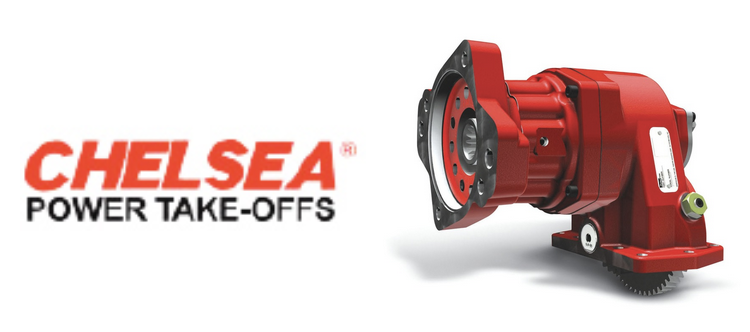
A power take off is a modest looking unit with an important job. It lets a vehicle use its own engine to drive other equipment, and without it many trucks and tractors would be unable to operate hydraulic attachments at all. Knowing how a power take off works helps owners buy wisely and maintain it properly.
How It Works
A power take off connects to the transmission or engine and transfers part of its rotational power to an output shaft. When the operator engages it, gears or a clutch connect the drive, and the shaft turns a hydraulic pump or another driven device. When it is disengaged, the vehicle behaves normally. This arrangement avoids the cost and weight of a second engine.
Common Applications
On trucks, a power take off drives pumps for tipping bodies, cranes, compactors and tail lifts. On tractors, the rear shaft powers implements such as mowers, balers and pumps. Specialised vehicles, including emergency and utility trucks, use them for equipment that must run while stationary. Each application has its own duty cycle, which affects the unit chosen.
Choosing The Right Power Take Off
Selection depends on the transmission, the power required and how the unit will be engaged. Mounting pattern, shaft speed, rotation direction and torque rating all matter. An undersized unit overheats and wears quickly, while an unsuitable mounting will not fit at all. Providing accurate vehicle details to your supplier is the surest way to obtain the correct unit first time.
Support From A Specialist
Heavy Hydraulics supplies power take offs for trucks, buses and specialised vehicles, along with the pumps and accessories that go with them. Staff can confirm compatibility, recommend a suitable combination for the intended attachment and arrange fitting where required. This reduces the risk of purchasing a unit that does not suit the vehicle.
Warning Signs
Difficulty engaging, grinding or knocking sounds, oil seeping from the housing and a loss of power to the attached equipment all suggest that attention is needed. Early action may involve replacing a seal or adjusting engagement, whereas delay can allow damage to reach the transmission, which is far more expensive to repair.
Good Operating Habits
Engage the unit with the engine at idle and the drive correctly selected, and avoid running it at excessive speed for long periods. Check mounting bolts and seals during routine servicing, and keep the unit clean so that leaks are easy to spot. Following the manufacturer guidance on engagement procedure extends service life considerably.
Installation And Servicing
Fitting the unit correctly is just as important as choosing it. The unit must be aligned with the transmission aperture, bolted to the correct torque and checked for the right amount of backlash between the gears. Pump mounting, hose routing and control connections all need careful attention, and the system should be tested under load before the vehicle returns to work. During servicing, technicians should check for oil seepage, loose fasteners and any sign of abnormal wear on the output shaft or bearings. Keeping a simple record of these checks helps identify trends, and it gives the next technician a useful starting point.
Cost Considerations
A correctly matched unit costs little more than a poor one, yet it avoids damage to the transmission and the delays that follow.
Wrapping Up
A power take off may be small, but the equipment it enables is often the reason the vehicle exists. Choosing a correctly matched unit, watching for early symptoms and operating it with care allows owners to depend on it for years. Good advice at the buying stage makes every later step simpler.
 Italiano
 English
 Arabic
 French
 Spanish
 Portuguese
 Deutsch
 Turkish
 Dutch
 Russian
 Romaian
 Portuguese (Brazil)
 Greek