


Understanding How Fire Pump Controllers Improve System Monitoring and Operational Safety
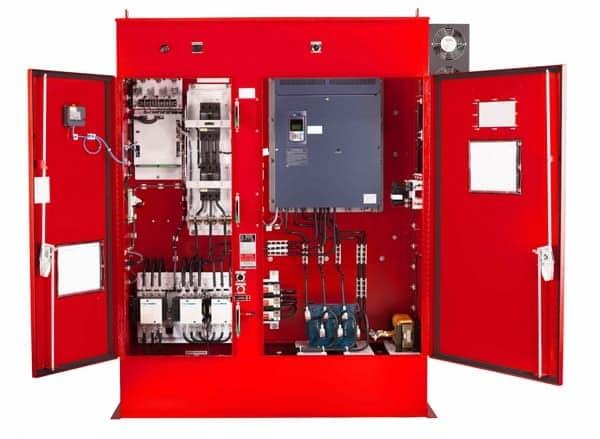
Fire protection systems depend on reliable equipment that can respond quickly when water pressure or flow requirements change during an emergency. Every component must operate correctly to support effective fire suppression and protect people, property, and essential operations. Fire pump controllers play a central role in this process by managing pump operation, monitoring important operating conditions, and providing signals when specific events occur. Understanding their functions helps facility managers make informed equipment decisions, improve maintenance planning, and support the operational readiness of fire protection systems.
A fire pump controller is designed to manage the starting and operation of a fire pump according to the requirements of the connected system. Depending on the installation, it may control an electric motor or diesel engine driver. It responds to changes in system pressure and coordinates the pump's operation when automatic starting conditions are met. Controllers also provide important information about equipment status, power conditions, alarms, and operating events. Their correct selection and configuration are essential for maintaining dependable fire protection performance.
Understanding the Main Functions of Fire Pump Controllers
Automatic Pump Starting and Operation
One of the primary responsibilities of a fire pump controller is initiating pump operation when the system experiences a pressure drop. This pressure reduction may occur when sprinklers activate, hydrants are opened, or another part of the fire protection network demands water. The controller receives information through a pressure sensing arrangement and activates the pump according to its configured operating requirements. Automatic starting helps ensure that the fire protection system can respond without depending entirely on manual intervention during an emergency.
Monitoring System Pressure Conditions
Pressure monitoring helps determine when a fire pump needs to operate. A controller works with pressure sensing components to identify changes in the connected piping network. When pressure falls below the designated starting threshold, the controller initiates the appropriate response. Monitoring also helps maintenance personnel understand whether the system is experiencing unusual pressure fluctuations. Correct pressure settings are important because unsuitable configurations can cause unnecessary pump starts or delay activation. Qualified professionals should review the system design before establishing operating settings.
Supporting Manual Operation
Although automatic operation is essential, authorized personnel may also need to start or operate a fire pump manually under specific circumstances. Controllers generally include provisions for manual operation according to the equipment design and applicable requirements. These functions can support maintenance activities, testing procedures, and certain operational situations. Facility personnel should understand the difference between automatic and manual control functions before working with the equipment. Proper training helps reduce operating mistakes and ensures that manual controls are used appropriately.
How Controllers Improve System Monitoring
Providing Clear Equipment Status Information
Controllers provide information that helps operators understand the condition of the fire pump system. Depending on the model and configuration, indicators may display whether the pump is running, available, stopped, or experiencing an abnormal condition. This information allows facility personnel to identify important operating events without relying only on physical inspection. Clear status indicators also support communication between maintenance teams and facility managers. When equipment information is easy to understand, personnel can respond more efficiently to operational concerns.
Identifying Alarms and Abnormal Conditions
Alarm functions help alert personnel when the controller detects conditions that require attention. Depending on the equipment, these may include power supply problems, phase irregularities, engine faults, low fuel conditions, or other monitored events. The specific alarms available depend on the controller type and installation requirements. Alarm indicators should never be ignored because they may reveal conditions that affect equipment readiness. Reviewing alarm information promptly allows qualified personnel to investigate potential problems and arrange corrective action before they become more serious.
Maintaining Operating Event Information
Some controllers provide event records or operating information that can help personnel review system activity. These records may include pump starts, running periods, alarm occurrences, and other equipment events, depending on the model. Such information can be valuable when investigating unexpected operation or preparing maintenance reports. Historical operating details may also help identify recurring concerns that deserve further inspection. Facility teams should understand the information available from their installed controller and follow the manufacturer's instructions when reviewing or maintaining electronic records.
Different Types of Fire Pump Controllers
Electric Motor Fire Pump Controllers
Electric motor controllers manage the electrical operation of pumps driven by electric motors. They are designed to support automatic starting and provide monitoring features appropriate for the selected equipment. Important considerations include voltage, phase configuration, motor rating, starting method, and electrical supply characteristics. The controller must be properly matched with the motor and the overall fire protection design. Facility representatives should confirm that the selected equipment meets applicable requirements and that installation arrangements are reviewed by qualified electrical and fire protection professionals.
Diesel Engine Fire Pump Controllers
Diesel engine controllers are designed for fire pumps powered by diesel engines. They manage engine starting sequences and monitor important conditions associated with engine operation. Depending on the design, monitoring features may include battery condition, engine temperature, oil pressure, speed, and fuel related alarms. These functions help operators identify potential concerns that could affect engine readiness. Because diesel systems involve additional mechanical and electrical components, their controllers require careful configuration, regular inspection, and maintenance in accordance with applicable standards and manufacturer recommendations.
Jockey Pump Controllers
Jockey pumps help maintain pressure in fire protection piping and compensate for minor pressure losses that may occur during normal system operation. Their controllers manage the operation of these smaller pumps according to designated pressure settings. When pressure decreases slightly, the jockey pump can restore it without requiring the main fire pump to start. This arrangement helps reduce unnecessary operation of the primary pump. Correct coordination between jockey pump settings and the main fire pump controller is important for maintaining suitable pressure management.
Key Features to Consider When Selecting a Controller
Compatibility With the Fire Pump
Controller selection should begin with a review of the fire pump's technical requirements. The controller must be appropriate for the pump driver, motor or engine specifications, electrical supply, and intended operating arrangement. Choosing equipment without checking these details can create compatibility problems and affect system reliability. Facility managers should review the pump data, design documents, and equipment specifications before purchasing. A qualified supplier or fire protection professional can help confirm that the proposed controller is suitable for the complete installation.
Compliance With Applicable Standards
Fire pump controllers must satisfy the requirements applicable to their installation and intended use. Relevant standards may address construction, electrical protection, starting functions, monitoring arrangements, testing, and performance. Requirements can vary according to the equipment type, jurisdiction, and authority having jurisdiction. Facility representatives should confirm that the proposed controller has the necessary approvals and documentation. Understanding compliance requirements before procurement helps prevent avoidable project delays and supports an installation that meets the expected fire protection criteria. Reviewing the standards considered before a fire pump starts can provide additional context for evaluating these requirements.
User Interface and Alarm Visibility
A clear interface can make controller operation easier for trained facility personnel. Display screens, indicator lights, switches, and alarm panels should communicate important information in a straightforward manner. Operators should be able to identify equipment status and understand when a condition requires attention. The available interface features vary between controller designs, so selection should reflect the needs of the facility and its maintenance team. Familiarity with the interface also helps personnel follow operating instructions and respond appropriately when alarms occur.
Installation, Testing, and Maintenance Considerations
Correct Installation and Configuration
Proper installation is necessary for a controller to perform as intended. Electrical connections, sensing lines, grounding arrangements, environmental conditions, and communication interfaces must be reviewed according to the equipment documentation and applicable requirements. Incorrect wiring or unsuitable pressure settings may affect starting behavior and monitoring accuracy. Installation should be completed by qualified professionals familiar with fire pump systems. After installation, the controller should be inspected and tested to verify that its functions operate correctly within the complete fire protection arrangement.
Regular Testing and Inspection
Periodic inspection and testing help confirm that controllers remain capable of supporting reliable fire pump operation. Maintenance activities may include checking indicators, reviewing alarm conditions, inspecting electrical connections, verifying pressure sensing arrangements, and confirming automatic starting functions. Testing procedures must follow applicable standards and manufacturer instructions. Facility personnel should maintain accurate records of inspections, test results, and corrective actions. Consistent documentation makes it easier to track equipment condition and identify recurring issues that may require further technical investigation. Understanding different fire pump testing methods can also help facility teams become familiar with testing arrangements used to evaluate system performance.
Responding to Controller Problems
Unusual alarms, unexpected starting behavior, electrical faults, or communication problems should be investigated promptly. Personnel should avoid making unapproved adjustments or bypassing protective functions to silence an alarm. Instead, the equipment should be assessed by qualified professionals who can identify the underlying cause and recommend suitable corrective action. A structured response helps prevent temporary problems from developing into larger reliability concerns. Clear maintenance procedures also ensure that facility teams understand whom to contact when controller performance becomes uncertain.
The Value of Professional Guidance and Technical Resources
Selecting and maintaining a controller involves technical decisions that can influence the performance of the entire fire protection system. Facility managers may need assistance interpreting specifications, comparing equipment configurations, understanding installation requirements, and planning inspections. Reviewing information about fire pump controller functions and operating principles can help professionals develop a stronger understanding of this essential equipment. Access to reliable technical guidance supports better purchasing decisions and encourages consistent attention to system readiness.
Ongoing education is also important for personnel responsible for fire protection equipment. Training can improve understanding of controller indicators, operating procedures, alarm responses, and routine inspection responsibilities. Maintenance teams should remain familiar with the specific equipment installed at their facility rather than relying on general assumptions. Additional learning through fire protection maintenance training resources can help professionals strengthen their knowledge and recognize the importance of regular equipment evaluation.
Facility teams should also understand how controller requirements relate to the complete pump installation. Electric motor systems, in particular, may involve specific design and operating considerations that influence controller selection and configuration. Reviewing guidance about special requirements for electric motor fire pump controllers can help project representatives identify important issues during planning. Combining technical understanding with qualified professional support contributes to a more coordinated approach to equipment selection, installation, and maintenance.
Conclusion
Fire pump controllers are essential to the monitoring, management, and operational readiness of fire protection systems. Their automatic starting functions, status indicators, alarm capabilities, and operating information help personnel understand system conditions and respond to potential problems. Selecting compatible equipment, following applicable standards, completing proper installation, and maintaining regular testing procedures are all important steps toward dependable performance. For technical guidance, equipment information, and support with fire pump requirements, Steven Brown & Associates, Inc. provides a resource for professionals seeking to make informed fire protection equipment decisions.
 Spanish
 English
 Arabic
 French
 Portuguese
 Deutsch
 Turkish
 Dutch
 Italiano
 Russian
 Romaian
 Portuguese (Brazil)
 Greek