


Famous Portuguese Heritage Sites to Explore in Goa
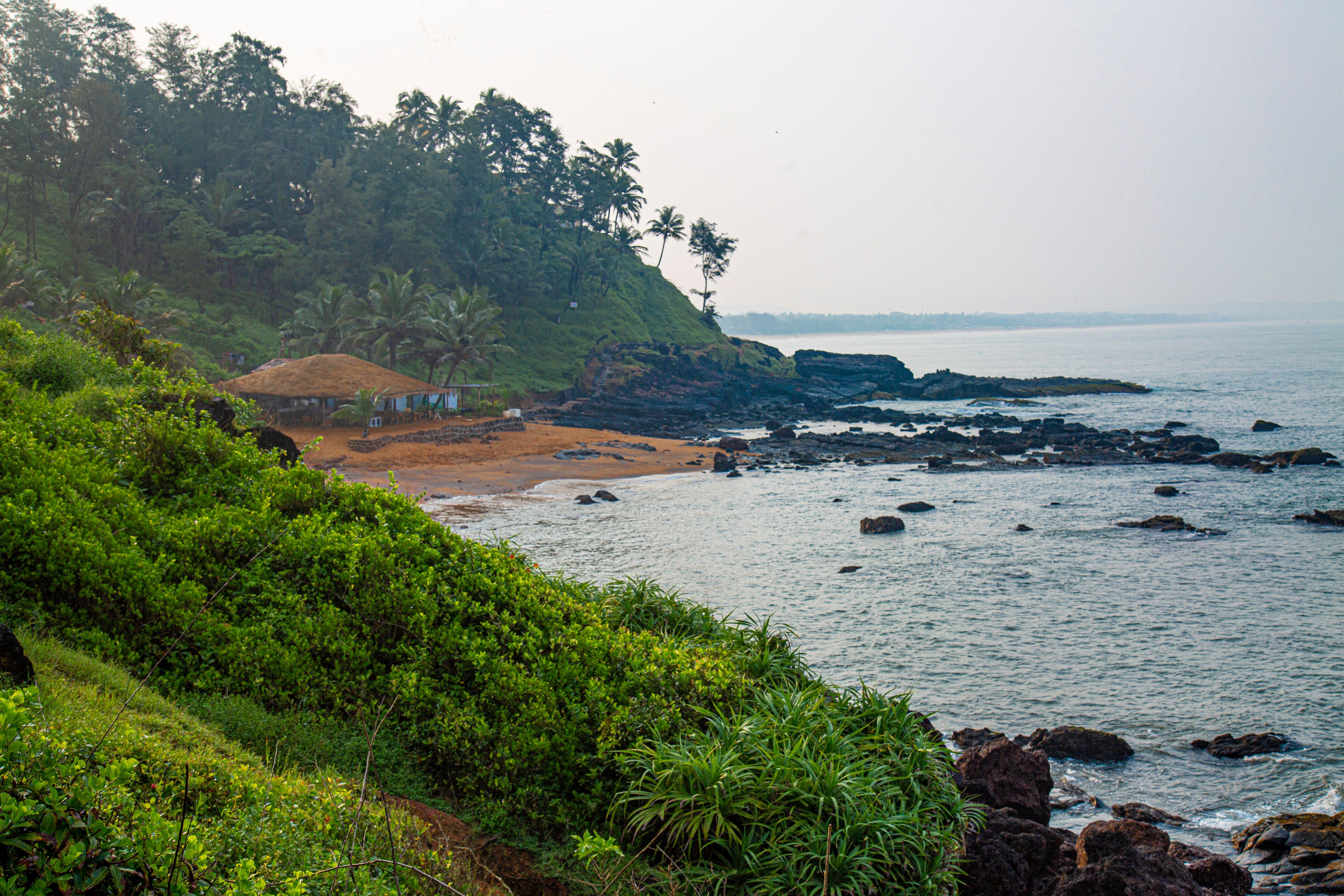
What if the best thing to do in Goa has no DJ, no shack and no cover charge? Old Goa’s churches, Fort Aguada’s lighthouse and the painted lanes of Fontainhas fit that description: mostly free or low cost, and a short drive from the sand. Together they carry 450 years of Portuguese rule, from 1510 to 1961. Too often they get squeezed into one rushed afternoon. This guide sorts them by area and time of day, so the heritage half of the trip gets the attention it deserves.
Which are the best heritage sites in Goa for first-time visitors?
The best heritage sites in Goa are the Old Goa churches, Fort Aguada, Reis Magos Fort, Fontainhas in Panaji, and the old mansions of Chandor. Old Goa’s churches and convents hold UNESCO World Heritage status, listed in 1986. Plan them by area, not by fame.
Old Goa and Panaji fit one day, since the two sit about 10 km apart. The North Goa forts make a second day. Chandor and Cabo de Rama, both in the south, need their own.
What should you see in Old Goa, and how long does it take?
Allow half a day. Start at the Basilica of Bom Jesus, which holds the mortal remains of St Francis Xavier, then walk to the Se Cathedral, among the largest churches in Asia, and the Church of St Francis of Assisi. The sites sit a short walk apart, about 10 km from Panaji.
The Basilica, completed in 1605, is the one with the bare laterite front. It looks unfinished until you learn it was simply never plastered, and the gilded altar inside makes the contrast sharper. The Se Cathedral took from 1562 to 1619 to build and carries the Golden Bell in its tower. The Archaeological Museum of Goa sits beside the Church of St Francis of Assisi and fills in the 450 years in between.
Entry to the churches is free. Shoulders and knees need covering, and Mass is a working service, so photography waits.
Is Fort Aguada worth visiting?
Yes, for the lighthouse and the views, less for the stonework alone. Built in 1612 to guard the Mandovi mouth, Fort Aguada gets its name from the Portuguese word for water, after the freshwater spring that supplied passing ships. Go late afternoon, when the sea glare softens.
Weekends bring coach tours, so a weekday saves time at the gate. Chapora Fort, near Vagator, is mostly ruined walls reached by a short, steep climb (a Bollywood song scene made it famous). Come for the view over the river mouth and the beach, not for interiors. Reis Magos Fort, built in 1551 near Verem across the Mandovi from Panaji, has been restored and feels closer to a heritage centre, so check ticket and timing details on the day. Cabo de Rama, in the south, sits on a headland above the sea and stays quiet because it is far from the North Goa beach belt.
North Goa forts pair well with a stay near Candolim or Vagator. Travelers visiting in festival season can check the Sunburn Goa Travel Guide: Where to Stay, What to Do & How to Get There for stay and transport planning, then keep the heritage mornings clear of late nights.
Where can you see Portuguese houses in Goa?
Fontainhas in Panaji is the easiest. This Latin Quarter has narrow lanes, houses painted ochre, blue and green, and the white Chapel of St Sebastian. Walk it in the morning with a coffee and no schedule; it takes about an hour.
Look for the features that define Portuguese architecture in Goa: the balcão, a covered porch with built-in seats, windows glazed with thin oyster shell panes, sloping tiled roofs and lime-plastered walls repainted after the rains. Our Lady of the Immaculate Conception Church in Panaji, with its zigzag white staircase, makes a good bookend. Flat shoes help. Laterite and old tile turn slippery in the wet.
Chandor, in South Goa, has large old family mansions. Only some open to visitors, and access depends on the family, so confirm before driving out.
What should Indian travelers know before visiting Goa’s heritage sites?
No visa is needed; Goa is a domestic trip for Indians. Flights take about 1 hour 10 minutes from Mumbai, around 2 hours 45 minutes from Delhi and about 1 hour 15 minutes from Bengaluru. November to February is a comfortable window, while June to September brings heavy rain.
Goa has two airports, Dabolim and Manohar International at Mopa, and the second is closer to North Goa. Carry a government photo ID for flights and hotel check-in. March to May turns hot and humid, so keep sightseeing until early mornings.
Food is easy to manage. Panaji and Margao have Udupi-style restaurants serving pure vegetarian meals, and Goan dishes such as alsande tonak, a black-eyed pea curry, suit vegetarians. Many Goan sweets, including bebinca, contain eggs. Church entries are free, while some museums and forts charge small fees, so carry cash in small notes. Rental scooters are common, but a valid licence and a helmet are needed.
Families and couples who would rather have drivers and timings sorted can start from Goa holiday packages and ask for the heritage mornings to fall on weekdays.
Highlights
-
UNESCO core: Basilica of Bom Jesus and Se Cathedral in Old Goa, free entry
-
Best view: Fort Aguada lighthouse, late afternoon
-
Easiest walk: Fontainhas in Panaji, about one hour
-
Quieter picks: Cabo de Rama Fort and Chandor (confirm access first)
-
Best months: November to February
Pro Tip
Save Sunday mornings for the beach. The Basilica turns into a full working church during Mass, with little room left for visitors. A weekday visit before 10 am gives the nave back, and Fontainhas is ready for a late-morning walk as the shops open and the lane shadows shorten. A light scarf in the bag solves most dress-code surprises.
So where does the first morning go?
Goa’s Portuguese layer is easy to miss between beach shacks, and easier to love once you have stood in a laterite nave at 8 am. Pick one weekday, set the alarm earlier than feels reasonable, and start with the Basilica before the buses arrive. The beach will still be there at noon.
Putting a full trip together around these mornings? Travel Junky can match the sites to flights and hotels
FAQs
What are the famous heritage places in Goa?
The best-known ones are the Basilica of Bom Jesus and Se Cathedral in Old Goa, Fort Aguada, Reis Magos Fort, Chapora Fort, Fontainhas in Panaji and the old mansions of Chandor. Old Goa’s churches carry UNESCO World Heritage status, which makes them the strongest starting point.
Is Old Goa a UNESCO World Heritage Site?
Yes. The Churches and Convents of Goa in Old Goa were inscribed as a UNESCO World Heritage Site in 1986. The group includes the Basilica of Bom Jesus, the Se Cathedral and the Church of St Francis of Assisi. Entry to the churches is free, though modest dress is expected inside.
How many days are enough for Portuguese heritage sites in Goa?
Two days cover the main circuit: one for Old Goa and Fontainhas, one for the North Goa forts. A third day suits Chandor and Cabo de Rama in South Goa, which sit far from North Goa beach bases. Count travel time, since distances look short on a map but roads move slowly.
What is the best time to visit Goa’s heritage sites?
November to February offers the most comfortable weather for walking churches and forts. March to May turns hot and humid, so keep sightseeing to early mornings. June to September brings heavy monsoon rain, which makes fort paths slippery but leaves the surrounding countryside green.
Are there vegetarian food options near the heritage sites?
Yes. Panaji and Margao have Udupi-style restaurants serving pure vegetarian meals, and Goan dishes such as alsande tonak, a black-eyed pea curry, suit vegetarians. Many Goan sweets, including bebinca, contain eggs, so strict vegetarians should confirm before ordering.
 Dutch
 English
 Arabic
 French
 Spanish
 Portuguese
 Deutsch
 Turkish
 Italiano
 Russian
 Romaian
 Portuguese (Brazil)
 Greek