


Bamboo Charcoal Fiber Wall Panel
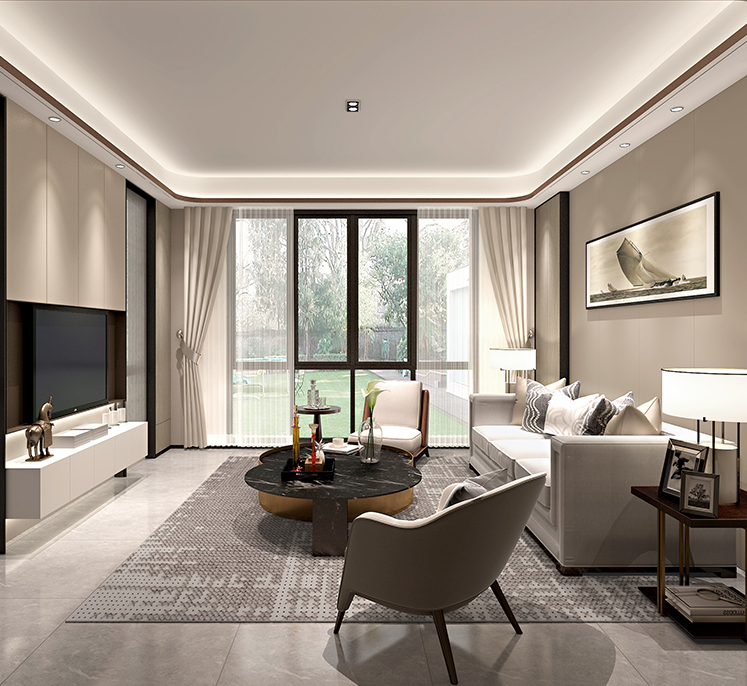
Interior wall decoration has traditionally forced designers and homeowners into a trade-off: natural-looking finishes often come with maintenance headaches, while durable synthetic panels can raise concerns about indoor air quality. Bamboo charcoal fiber wall panels are increasingly positioned as a solution to that dilemma — combining a decorative surface with a functional core, and doing so at a price point and production scale that suit both residential and commercial projects.
What the Material Actually Is
Despite the "bamboo" name, these are not timber products. The panels are integrated decorative boards made from bamboo charcoal (activated carbon) dispersed in a PVC resin core, then faced with a PP, PET, or water-based PVC film. That construction matters because it determines both the look and the performance. The film carries the visual design — wood grain, fabric, marble, PET metal, PET mirror, or 3D textures — while the charcoal-infused core contributes the functional characteristics the category is known for.
Because production is co-extruded and completed in-house, from resin mixing to film lamination, repeat orders tend to match the approved sample. For distributors, contractors, and fit-out firms, that consistency is often more valuable than any single specification.
The Health and Safety Story
The most persuasive argument for these panels is indoor air quality. The product is manufactured without added formaldehyde and is certified to the E0 grade, the strictest formaldehyde emission standard, with SGS testing backing the claim. The bamboo charcoal component is also described as actively adsorbing residual formaldehyde and odors in the surrounding room, though real-world performance depends on room conditions and the chosen film.
Fire performance is the second pillar. The panels carry a B1 fire retardant rating (C-s3, d0 under GB8624), which meets requirements for commercial buildings, public spaces, and residential projects. Combined with the E0 rating, this makes the material suitable for bedrooms, children's rooms, and healthcare facilities — spaces where sensitive occupants and strict specifications leave little room for compromise.
Practical Performance for Real Interiors
Beyond safety credentials, the panels are designed for the realities of interior work. The PVC resin base resists moisture penetration, making the material suitable for bathrooms, kitchens, and other high-humidity zones. Thermal conductivity is low at 0.128 W/(m·K), and the panels have passed flexural strength and impact resistance testing — useful attributes for busy commercial environments where walls take punishment.
Weight is another practical advantage: at roughly 5.3 kg/㎡, the panels are light enough to handle, cut, and install efficiently, which reduces labor time on site.
Where the Panels Fit
The application range is broad. In residential interiors, wood grain, marble, and fabric-inspired finishes suit living room feature walls and bedrooms. In hospitality, the same range of textures helps create consistent design across lobbies, guest rooms, corridors, and reception areas. Commercial spaces — offices, retail stores, showrooms — benefit from the variety of surface finishes, which makes coordinating wall decoration with a broader design concept straightforward. Selected kitchen walls and other moisture-prone indoor areas are also viable, subject to installation conditions and product specifications.
Installation in Four Steps
The installation process is deliberately simple. First, measure length and height, add 10–15% for waste, and set the grain direction before the first cut. Second, cut to size: a saw for length, a knife for rip cuts, leaving a 6 mm margin around sockets and vents. Third, apply adhesive — a 4 mm bead on the back edges and dots at the corners, kept 30 mm clear of the rim, waiting until tacky. Finally, fix and cure: press out air, choose a flat, lap, or 45° joint, pin if needed, and allow 24 hours.
Sourcing and Customization
For trade buyers, the supply model is worth noting. Standard panels are available in lengths of 2.44–3.6 m, a width of 1.22 m, and thicknesses of 5, 7, 8, 11, or 18 mm, with custom sizes available for bulk orders. OEM/ODM support covers brand customization, exclusive color development, and design services. Standard lead time is about 15 days, with quotes returned within 24 hours, and the first order minimum for standard finishes is 100 square meters. Samples are typically dispatched within 7 business days — a sensible step before any bulk commitment.
The Bottom Line
Bamboo charcoal fiber wall panels are not a miracle material, but they are a well-balanced one. They address the two concerns that most often derail interior specification — air quality and fire safety — while offering the decorative range, moisture resistance, and installation efficiency that projects actually demand. For designers and buyers seeking a healthier, more practical alternative to traditional wall finishes, they deserve a serious look.
 Romaian
 English
 Arabic
 French
 Spanish
 Portuguese
 Deutsch
 Turkish
 Dutch
 Italiano
 Russian
 Portuguese (Brazil)
 Greek