


Fifth Third Bank Real Estate Strategies for NNN Property Investors
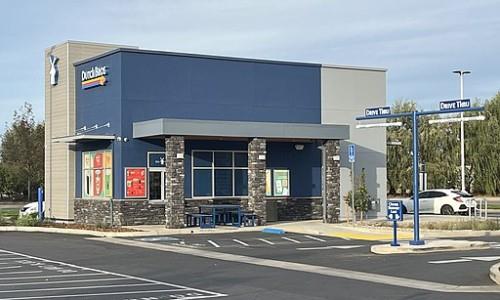
Commercial real estate investors often evaluate financial institution properties because they can combine established business operations with strategically positioned buildings. Bank branches frequently occupy recognizable locations near residential neighborhoods, employment centers, shopping districts, and major roads. Fifth Third Bank real estate offers an opportunity to examine how banking properties may fit within a long term net lease investment strategy. Investors should look beyond tenant recognition and consider the property's location, lease obligations, building condition, rental income, and future occupancy potential before making an investment decision.
The Appeal of Banking Properties in Commercial Real Estate
Bank branches serve customers through physical locations that may include transaction areas, offices, consultation spaces, drive through facilities, and secure operational areas. These features create specific property requirements that influence building design and site selection. For NNN investors, a leased banking property may offer an established occupancy arrangement supported by contractual rental obligations. However, the property's investment appeal depends on the quality of its lease and the tenant's financial position. Investors should also determine whether the building remains suitable for modern banking operations and whether its location supports continued commercial activity.
Location and Accessibility Considerations
Location plays a major role in determining the usefulness of a banking property. Branches often benefit from convenient road access, clear signage, visible frontage, and proximity to residential or business communities. Parking availability and traffic circulation can also influence customer convenience. Investors reviewing Fifth Third Bank real estate should examine neighborhood demographics, employment activity, surrounding retail development, and transportation infrastructure. A visible location may support continued tenant operations, but strong visibility alone does not guarantee long term performance. The surrounding market should demonstrate practical demand and provide suitable access for customers and employees.
Understanding Triple Net Lease Arrangements
Triple net leases are commonly used in single tenant commercial property investments. Under this structure, tenants may assume responsibility for property taxes, insurance, maintenance, and other operating expenses in addition to paying base rent. The exact responsibilities depend on the lease agreement, making detailed document review essential. Investors should examine provisions covering routine repairs, structural components, roof maintenance, insurance coverage, and major building systems. A carefully structured NNN lease can reduce certain management responsibilities, but property owners may still retain obligations. Understanding these terms helps investors assess the actual income and management profile of an asset.
Reviewing Lease Terms and Rental Income
Lease terms provide important information about the stability and duration of a property's rental income. Investors should review the original lease period, remaining term, renewal options, scheduled rental increases, and early termination provisions. Rent escalations may support income growth during the agreement, while renewal rights can influence future occupancy. However, renewal options should not automatically be treated as guaranteed extensions. When assessing Fifth Third Bank real estate, investors should understand which legal entity is responsible for rent and whether any parent company guarantee applies. Clear documentation helps establish the strength of the contractual income arrangement.
Evaluating Tenant Credit and Financial Strength
Tenant quality is a fundamental consideration in NNN property investment because the rental income depends on the tenant's ability to meet lease obligations. Investors should review available financial disclosures, credit information, business performance, and the legal identity of the tenant. A recognized financial institution may have a substantial operating presence, but investors must verify whether the lease is supported by a corporate guarantee or another form of financial backing. They should also consider branch network strategies, operational changes, and the possibility of future location consolidation. These factors can influence occupancy and rental continuity.
Property Design and Building Condition
Banking properties should be assessed according to their physical condition and suitability for continued use. Important features may include building layout, structural quality, parking arrangements, accessibility, security systems, signage, utilities, and drive through facilities. Some improvements may be specialized for banking operations, which can affect the property's adaptability to other commercial uses. Investors should review building inspection reports, maintenance records, environmental assessments, and applicable permits. A property with a functional layout and well maintained systems may provide greater flexibility, while unusual design features could create challenges if the existing tenant leaves.
Comparing Banking Property Investment Opportunities
Comparative analysis helps investors understand how individual banking properties differ in location, lease structure, tenant obligations, and building characteristics. Investors should compare remaining lease duration, rental income, escalation provisions, property condition, and local market activity. Reviewing the banking property investment profile can provide additional context about financial institution real estate. Further research into commercial branch property opportunities can help illustrate how different banking locations and lease arrangements may influence investment considerations. Comparable information should support, rather than replace, property specific due diligence.
Market Trends and the Future of Physical Bank Branches
Changes in customer preferences and financial technology continue to influence how banking institutions use physical locations. Digital services may reduce the need for certain branch functions, while selected locations remain important for customer consultations, business banking, and other in person services. Investors should consider how these changes may affect future occupancy decisions. Population growth, employment patterns, business activity, and local development can also influence a branch's strategic importance. Understanding these market conditions helps investors assess whether a property is positioned to remain relevant throughout its lease term and beyond.
Identifying Risks Before Investing
Every commercial real estate investment carries risks, and banking properties require specific attention to tenant strategy and property adaptability. A branch may close, relocate, or consolidate as the institution changes its operating model. Other concerns include lease termination rights, building maintenance requirements, environmental conditions, zoning restrictions, and limited alternative uses. Investors should examine title documents, surveys, lease records, inspection reports, and applicable regulations before proceeding. They should also evaluate the local market for potential replacement tenants. A clear understanding of these risks supports more realistic expectations about rental continuity and future ownership responsibilities.
Developing a Long Term NNN Investment Strategy
A disciplined investment strategy should consider both the property's current income characteristics and its future commercial usefulness. Investors can establish evaluation criteria covering tenant strength, lease duration, rental increases, location quality, building condition, and potential alternative uses. Professional advice from commercial real estate specialists, legal professionals, and property inspectors can help identify important issues during due diligence. Investors should also compare each opportunity with their broader portfolio objectives and risk tolerance. Consistent analysis makes it easier to distinguish properties with strong lease fundamentals from those that depend heavily on uncertain future conditions.
Conclusion
Banking properties can contribute to a diversified commercial real estate strategy when supported by suitable locations, reliable lease arrangements, and financially capable tenants. Fifth Third Bank real estate provides an opportunity to examine the characteristics of financial institution properties within the NNN investment market. Investors should carefully assess lease obligations, tenant credit strength, building condition, local demand, and future occupancy risks. A structured due diligence process can help clarify the potential benefits and limitations of each property. NNN Trends by Equity CRE offers resources for understanding commercial property profiles, tenant characteristics, and long term net lease investment considerations.

 English
 French
 Spanish
 Portuguese
 Deutsch
 Turkish
 Dutch
 Italiano
 Russian
 Romaian
 Portuguese (Brazil)
 Greek