


How Stress and Poor Sleep Affect Your Digestive System
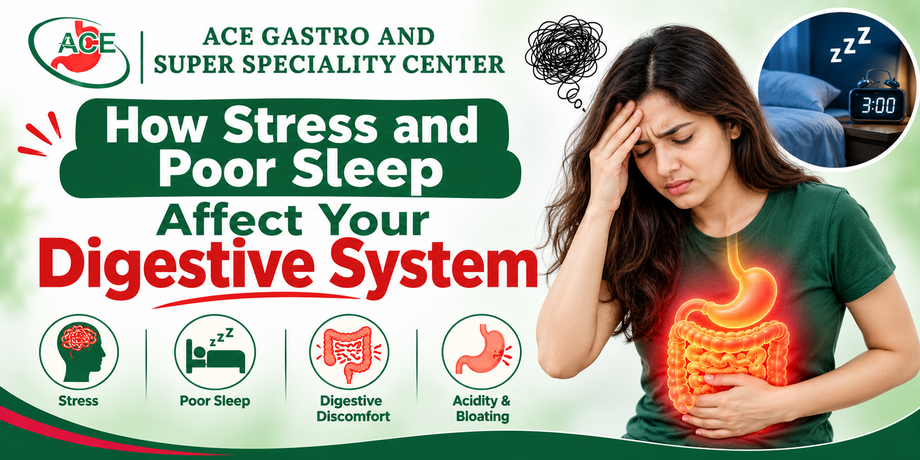
Stress and inadequate sleep can affect more than your mood and energy levels; they can also disturb your digestive health. Many people experience acidity, bloating, constipation, stomach discomfort or changes in bowel habits during stressful periods. Consulting a Gastro Specialist in Jaipur can help identify whether these symptoms are related to lifestyle factors or an underlying digestive condition.
The brain and digestive system are closely connected through the gut-brain axis. This communication network allows emotional stress, sleep patterns and physical health to influence how the digestive system functions. Understanding this connection can help you take better care of your gut.
How Stress Affects Your Digestive System
When you experience stress, your body activates its natural fight-or-flight response. Stress hormones such as cortisol and adrenaline prepare the body to respond to pressure. However, prolonged stress may interfere with normal digestive functions.
Some common digestive effects include:
-
Increased acidity: Stress may influence stomach activity and make existing acid reflux or acidity symptoms feel worse.
-
Bloating and discomfort: Changes in gut movement can contribute to gas, abdominal discomfort and bloating.
-
Constipation: Stress can slow bowel movements in some people, making stools harder to pass.
-
Diarrhoea: In others, stress may increase intestinal activity and cause frequent or loose stools.
-
Changes in appetite: Emotional pressure can lead to overeating or reduced food intake, both of which may affect digestion.
People with conditions such as irritable bowel syndrome (IBS) may notice that their symptoms become more difficult to manage during stressful periods.
Why Poor Sleep Can Lead to Digestive Problems
Sleep gives the body time to recover and regulate important functions, including hormone activity and metabolism. When you regularly sleep for fewer hours or have disturbed sleep, your digestive system may also be affected.
Poor sleep can contribute to digestive discomfort in several ways:
-
Irregular bowel habits: Disrupted sleep patterns may affect the body's natural biological rhythm and bowel movements.
-
Acid reflux: Late-night eating, lying down soon after meals and irregular routines can contribute to reflux symptoms.
-
Increased cravings: Sleep deprivation may influence hunger-related hormones, encouraging people to consume sugary, fatty or processed foods.
-
Greater sensitivity to discomfort: Insufficient rest may make some people more sensitive to abdominal pain and digestive symptoms.
Poor sleep and digestive problems can also create a cycle. Stomach discomfort may disturb sleep, while inadequate sleep can make digestive symptoms harder to manage.
The Connection Between Stress, Sleep and Gut Health
Stress and sleep are closely connected. High stress levels can make it difficult to fall asleep or stay asleep. At the same time, poor sleep may affect the body's ability to regulate stress.
These factors can influence gut movement, appetite and the gut-brain connection. For example, a person experiencing work pressure may skip meals, consume excess caffeine and sleep late. Over time, these habits may contribute to acidity, bloating or irregular bowel movements.
If symptoms continue despite lifestyle changes, consulting the Best Gastroenterologist in Jaipur can help determine the possible cause and guide further evaluation.
Practical Ways to Support Better Digestive Health
A few consistent lifestyle habits can support both sleep quality and digestion:
-
Maintain a regular sleep schedule: Try to sleep and wake up at consistent times every day.
-
Eat balanced meals: Include vegetables, fruits, whole grains and adequate fluids in your daily routine.
-
Avoid heavy late-night meals: Give your body enough time to digest food before going to bed.
-
Manage daily stress: Walking, meditation, breathing exercises and relaxing activities may help reduce stress.
-
Limit excess caffeine: Avoid consuming tea, coffee or energy drinks close to bedtime.
-
Stay physically active: Regular exercise can support bowel movements and overall well-being.
These measures may help improve daily habits, but persistent digestive symptoms should not be ignored.
When Should You Consult a Gastroenterologist?
Occasional digestive discomfort may improve with better sleep and stress management. However, frequent acidity, recurring abdominal pain, persistent bloating, constipation, diarrhoea or unexplained changes in bowel habits need medical attention.
Seek prompt medical evaluation if you notice blood in your stool, unexplained weight loss, repeated vomiting, difficulty swallowing or severe abdominal pain. A Gastroenterologist In Vaishali Nagar or another qualified digestive health specialist can assess your symptoms and recommend appropriate investigations or treatment.
Final Thoughts
Stress and poor sleep can influence digestive health through the gut-brain connection, making everyday symptoms such as acidity, bloating and irregular bowel movements more noticeable. Maintaining a regular sleep routine, eating balanced meals and managing stress can support better gut health. For persistent digestive concerns, consult Dr. Sushil Kumar Jain at ACE Gastro Super Speciality Clinic for an appropriate medical evaluation and guidance.
Frequently Asked Questions
1. Can stress cause stomach pain?
Yes. Stress can affect communication between the brain and gut, alter digestive movement and increase sensitivity to abdominal discomfort. If stomach pain is frequent or severe, seek medical advice.
2. Can lack of sleep cause acidity?
Poor sleep may contribute to habits and body changes that worsen acidity or reflux symptoms. Late-night meals and lying down soon after eating can also trigger discomfort.
3. Does stress affect bowel movements?
Yes. Stress can influence intestinal movement. Some people experience constipation, while others may develop loose stools or more frequent bowel movements.
4. How many hours of sleep are important for digestive health?
Most adults generally need around seven to nine hours of sleep each night. Consistent, good-quality sleep supports overall health and helps maintain regular daily body rhythms.
5. When should I see a gastroenterologist for digestive problems?
Consult a gastroenterologist if symptoms such as acidity, bloating, constipation, diarrhoea or abdominal pain keep returning, persist or interfere with daily activities. Seek prompt care for severe pain, bleeding or unexplained weight loss.
 French
 English
 Arabic
 Spanish
 Portuguese
 Deutsch
 Turkish
 Dutch
 Italiano
 Russian
 Romaian
 Portuguese (Brazil)
 Greek