


Acrylic Mirror for Ceilings, Soffits, and Bar Backers: Design Ideas Beyond the Wall
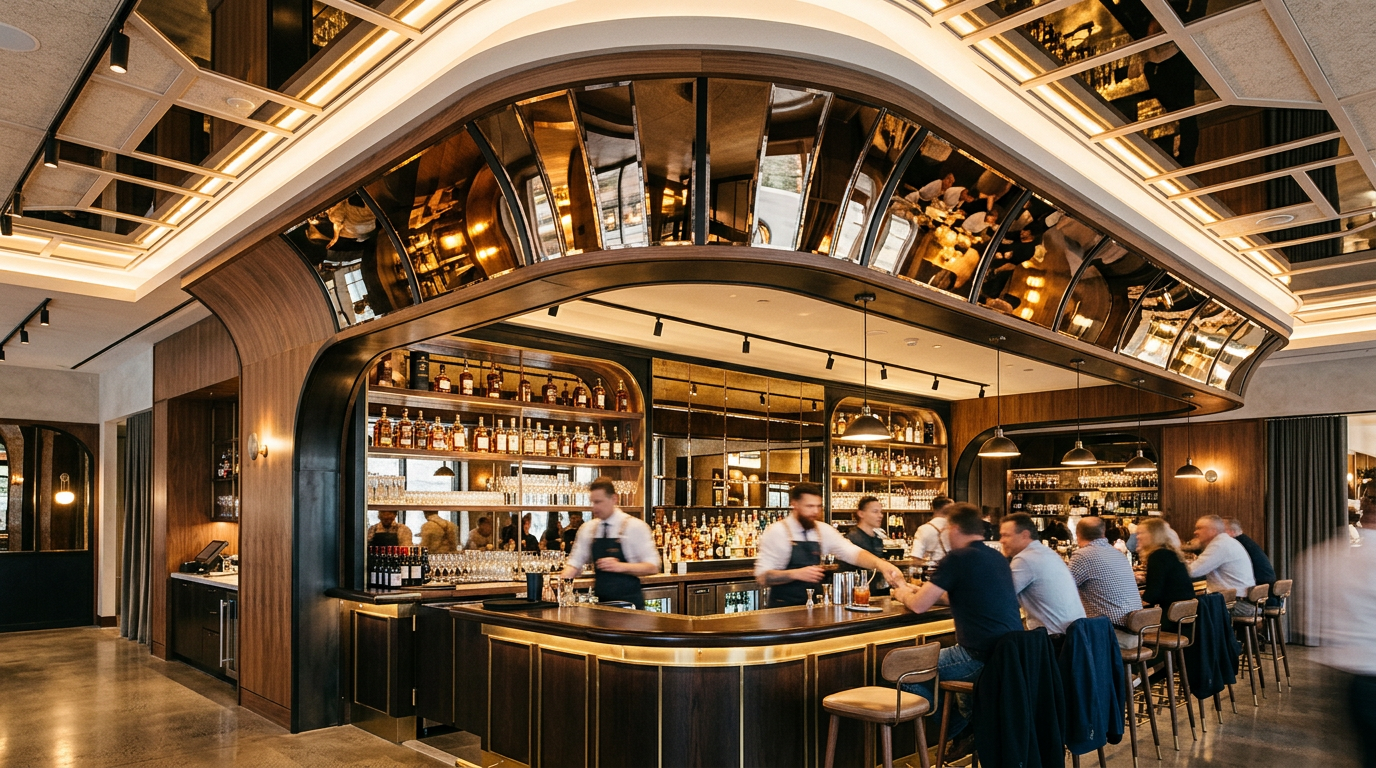
Mirrors usually end up on walls. A vanity mirror in a restroom, a full-length panel in a fitting room, a decorative piece above a console table. That's where most people expect to see them. But some of the most memorable interiors use reflective surfaces in places you wouldn't expect: overhead, behind the bar, wrapped around a soffit, or built into a sculptural installation.
Traditional glass mirrors make those ideas hard to pull off. Glass is heavy, fragile, and difficult to cut and mount in unusual spots. An acrylic mirror is roughly three times lighter, far more shatter-resistant, and easier to handle, which opens up placements that would be risky or impractical with glass.
This article explores creative ways to use acrylic mirror on ceilings, soffits, bar backers, and other surfaces beyond the standard wall. It covers design ideas, practical considerations, and finishes that add character, so you can plan reflective features that look striking and hold up over time.
Why acrylic works where glass struggles
Before looking at specific applications, it helps to understand why acrylic is the better material for so many of them.
Weight is the first advantage. Lighter panels put less load on ceilings, framing, and fixtures. That makes overhead and suspended installations more practical.
Safety follows closely. Acrylic is far more impact-resistant than glass. If a panel is struck, it's much less likely to shatter into dangerous pieces. That matters overhead, behind busy bars, and in any high-traffic area.
Flexibility is another benefit. Acrylic can bend slightly, which helps it follow gentle curves and fit around architectural details.
Moisture and corrosion resistance help in humid spaces like bars, restaurants, and restrooms.
There is a tradeoff. Acrylic reflections aren't quite as crystal-clear as glass, and the surface can scratch if cleaned roughly. For most decorative and architectural uses, though, those differences don't matter much, and the benefits are significant.
Acrylic mirror on ceilings
Mirrored ceilings can make a room feel taller and brighter. They bounce light back down into the space and add a sense of drama, especially in restaurants, lounges, hotel lobbies, and retail stores.
Glass mirrors overhead raise real safety concerns. A cracked or falling panel could injure someone below. Acrylic's lighter weight and shatter resistance make it a much safer choice for ceiling applications.
Design ideas for mirrored ceilings include:
- Full mirrored ceilings in small rooms to make them feel larger
- Mirrored ceiling tiles alternated with solid tiles for a checkerboard effect
- Recessed ceiling panels lined with mirror to reflect pendant lights
- Antique-finish ceiling panels for a softer, vintage glow
- Mirrored coffers that add depth to a grid ceiling
Lighting design matters overhead. Reflections can double the visual impact of chandeliers and pendants, but they can also reflect bright fixtures straight into people's eyes. Plan lighting and mirror placement together.
Acrylic mirror on soffits
Soffits are the lowered sections of ceiling that hide ductwork, wiring, or structural elements. They're often treated as background. Wrapping them in mirror turns a utilitarian feature into a design element.
Mirrored soffits work well above bars, service counters, reception desks, and retail displays. They catch light, add sparkle, and draw the eye upward. In long, narrow spaces, they can make ceilings feel less heavy.
Acrylic's light weight makes soffit installation simpler. Panels can be cut to fit and mounted without the heavy framing glass would require. Its slight flexibility helps with soffits that have gentle curves.
Acrylic mirror as a bar backer
The back bar is one of the most visible surfaces in a restaurant or lounge. Guests look at it while ordering and while sitting at the bar. Mirrors behind bars are a classic choice. They reflect bottles and lighting, make the space feel larger, and let bartenders see the room behind them.
Glass back-bar mirrors come with risks. Bars are busy, crowded, and occasionally rowdy. Bottles, glasses, and elbows can hit the mirror. A shattered glass mirror behind a bar is a serious hazard.
Acrylic mirror offers the same classic look with far less risk. It handles bumps better and doesn't shatter into sharp shards. It also holds up well to the humidity and spills common in bar environments.
For a vintage or speakeasy feel, antique-finish acrylic mirrors are a popular choice. Finishes with clouded, mottled, or speckled patinas create a warm, aged look that suits classic cocktail bars and upscale lounges.
Antique finishes and digital patinas
Standard mirrors offer clean reflections. Antique finishes add character. Acrylic mirrors are available with a range of antique and digitally printed patinas that give each installation a distinct personality.
Some examples include:
- Clouded finishes with soft, irregular patches of tone
- Craquelure patterns that mimic fine cracks in aged glass
- Freckled and speckled finishes with scattered spots
- Gold-toned finishes for warmth
- Smoke and mottled effects for a moody, layered look
- Sumi-e inspired finishes with brush-like patterns
- Sunset tones that add a soft color cast
These finishes work especially well on ceilings and bar backers, where a perfectly clear reflection isn't the goal. They add texture, soften glare, and give spaces an established, lived-in feel.
Reflective wall art and 3D installations
Acrylic mirror can be cut into shapes and layered to create sculptural pieces. Hotels, offices, and retail stores use these installations as focal points in lobbies and feature walls.
Ideas include geometric mirror clusters, layered panels at different depths, cut-out shapes that form a logo or pattern, and mirrored elements combined with printed graphics. Because acrylic is light, larger installations are easier to mount and less demanding on walls and ceilings.
Other surfaces worth considering
Beyond ceilings, soffits, and bars, acrylic mirror works in several other places:
Column wraps can make structural columns disappear into a room or turn them into features.
Elevator interiors benefit from mirror's space-expanding effect and acrylic's impact resistance.
Retail display backs and fixture panels reflect merchandise and lighting.
Restroom and locker room walls use acrylic's moisture resistance and safety.
Children's facilities and schools benefit from shatter-resistant mirror in play and learning areas.
Practical considerations
A few practical details help acrylic mirror installations look good and last.
Thickness depends on the application. Thicker panels stay flatter and resist distortion better over large areas. Thinner panels may suit curved surfaces. The right thickness depends on the environment, and a supplier can help you choose.
Mounting methods vary. Common approaches include adhesives designed for acrylic, mechanical fasteners, and framing systems. Ceiling installations need especially secure mounting.
Flat substrates matter. Acrylic follows the surface beneath it, so uneven walls or ceilings can distort reflections. Proper preparation keeps the mirror looking flat and true.
Cleaning should be gentle. Use a soft cloth and a mild cleaner made for acrylic. Avoid abrasive pads and ammonia-based glass cleaners, which can scratch or cloud the surface.
Pairing mirror with other finishes
Mirrored surfaces work best when they're balanced with other materials. Too much reflection can make a room feel busy or disorienting.
In restaurants and bars, mirror pairs well with dark wood, warm metals, and printed wall coverings. A mirrored soffit above a bar might sit against a textured wall covering with a deep color, so the reflection has something rich to bounce off.
In retail, mirror combined with clean, bright graphics can make products stand out. Reflections multiply displays and make shelves look fuller.
In hotels, antique-finish panels on ceilings or columns pair nicely with soft lighting, upholstery, and patterned carpets for an established, comfortable feel.
Think about what each mirror will reflect. A mirrored ceiling over a beautiful floor pattern doubles that pattern. A mirror facing a blank wall or a service door reflects something far less appealing. Walk the space and check sightlines before finalizing placement.
Working with designers and installers
Unusual placements need early coordination. Share drawings with the installer so they can confirm ceiling structure, fastening points, and access for cutting panels on site. Ask for samples of the chosen finish and view them under the room's actual lighting before ordering. A finish that looks warm in daylight may read differently under cool LED fixtures, and an early check avoids costly reorders.
How long acrylic mirror lasts
With proper care, acrylic mirror can last 10 to 20 years. Indoor installations away from harsh chemicals and abrasion tend to last longest. Choosing the right finish and following cleaning guidelines helps protect the surface.
Cost compared to glass
Acrylic mirror generally costs less than traditional mirrored glass, especially once you factor in installation. Lighter panels are easier to ship, handle, and mount, which reduces labor costs. Fewer breakages during transport and installation also save money.
Bring reflection to unexpected places
Mirrors don't have to stay on walls. Ceilings, soffits, bar backers, columns, and sculptural installations can all use reflection to add light, depth, and personality to a space. The right material makes those ideas practical and safe.
Tree Towns Digital Decor supplies mirrored acrylic panels in a range of antique and custom finishes for restaurants, bars, hotels, retail, and commercial interiors. To explore finishes and plan your next reflective feature, contact Tree Towns Digital Decor.
 Italiano
 English
 Arabic
 French
 Spanish
 Portuguese
 Deutsch
 Turkish
 Dutch
 Russian
 Romaian
 Portuguese (Brazil)
 Greek