


Drywall Hole Repairs: Fixing Damaged Walls for a Clean Finish
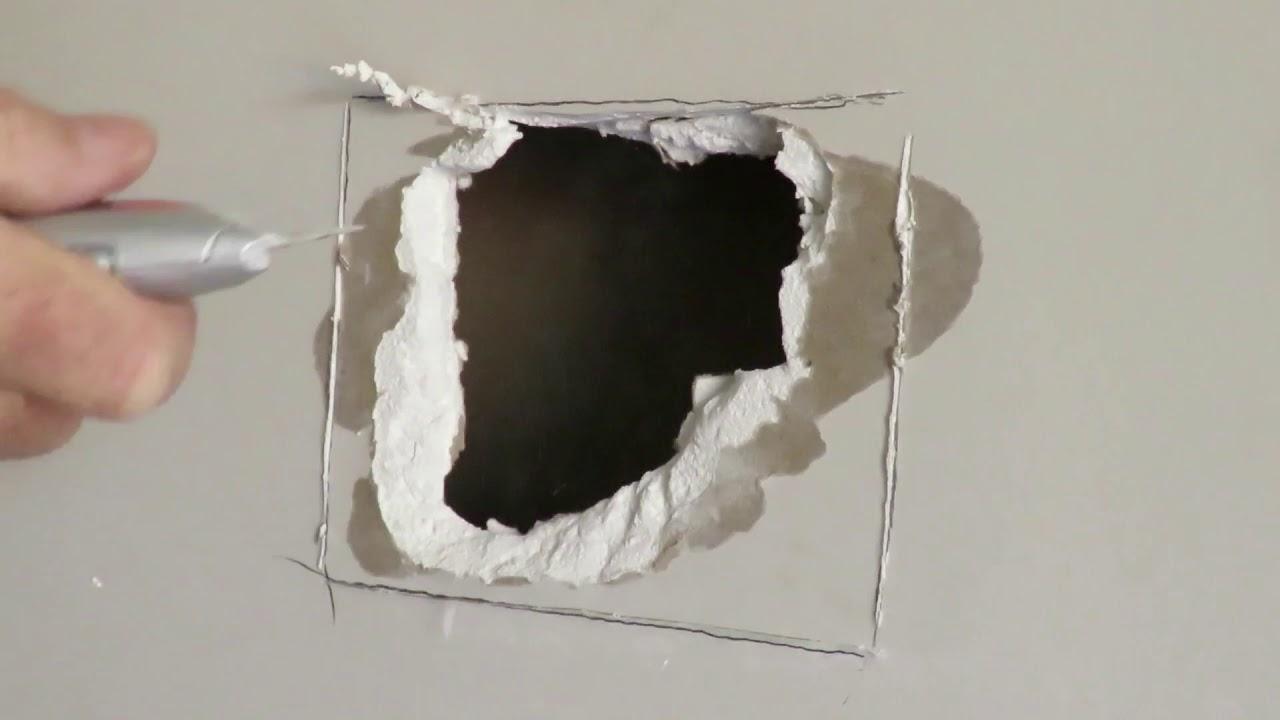
A hole in a wall can make an otherwise beautiful room look unfinished. It may happen when moving furniture, removing wall fixtures, opening a door too forcefully, or dealing with accidental damage during renovation work. Even a small opening can become more noticeable when light falls across the damaged surface. Leaving holes untreated can also make future painting and decorating more difficult. Drywall Hole Repairs help restore damaged wall sections, create smooth surfaces, and bring interior spaces back to a neat and presentable condition.
Understanding Different Types of Drywall Holes
Not every hole in drywall requires the same repair method. Small nail and screw holes are usually simple to fill, while medium-sized openings may need a patch. Larger holes can require cutting away damaged material and installing a new drywall section with proper support. The surrounding surface also needs to be checked for loose paper, cracks, or weakened edges. Before starting Drywall Hole Repairs, understanding the size and condition of the opening helps determine the right materials and technique for a lasting finish.
Repairing Small Nail and Screw Holes
Small holes often appear when pictures, shelves, decorations, and other wall fixtures are removed. Although these marks are usually shallow, they can become visible after furniture is moved or a room receives a fresh coat of paint. Repairing them generally involves cleaning the area, applying suitable joint compound or filler, and smoothing the surface once it dries. Additional compound may be needed if the hole is deeper than expected. Proper Drywall Hole Repairs in Lynchburg make these small marks less noticeable and prepare the wall for painting.
Fixing Medium-Sized Holes in Drywall
Medium-sized holes can occur when door handles hit walls, furniture causes an impact, or fixtures are removed incorrectly. These openings are too large for ordinary filler alone and may need a patching material or a repair kit. The damaged edges should be cleaned, and the patch must be secured according to the product instructions. Joint compound is then applied around the repair to blend it with the surrounding surface. Careful Drywall Hole Repairs help restore the wall's shape without leaving raised edges or visible patch lines.
Restoring Large Holes and Damaged Sections
Large openings require more detailed work because the surrounding drywall may also be cracked or weakened. A repair may involve cutting the damaged section into a clean shape, adding support behind the opening, and fitting a new drywall piece. The seams are then covered with tape and joint compound before being sanded smooth. Accurate measurements are important to ensure the replacement panel fits properly. Professional Drywall Hole Repairs can restore larger damaged sections while helping the repaired area blend naturally with the existing wall.
Choosing the Right Repair Materials
The materials used for a repair depend on the size of the hole and the condition of the drywall. Small openings may only require joint compound, while larger repairs can need drywall patches, replacement panels, backing supports, screws, and joint tape. Sandpaper and suitable finishing tools are also important for creating a smooth surface. Using the wrong materials may lead to poor bonding, cracks, or uneven results. Successful Drywall Hole Repairs depend on selecting products that are suitable for the damaged area and following the correct application process.
Smoothing and Finishing the Repaired Area
Filling a hole is only one part of the repair process. Once the compound has dried, the surface needs to be sanded carefully to remove rough edges and blend the repaired section with the surrounding wall. Depending on the depth of the opening, more than one coat may be necessary. Each layer should dry before additional compound is applied. Proper Drywall Hole Repairs include careful finishing because even a well-filled hole can remain visible if the surface is uneven or poorly blended.
Preparing Repaired Drywall for Painting
Paint can highlight repair marks when the surface has not been prepared correctly. Before decorating, the repaired area should be free from dust, loose material, and rough patches. Applying a suitable primer can help the new paint absorb more evenly and reduce differences between the repaired section and the original wall. The surrounding area may also need painting to achieve a consistent appearance. Quality Drywall Hole Repairs make the final decorating process easier and help restore the wall's original look.
Common Problems That Affect Drywall Repairs
Repairs may fail when loose material is left around the opening, patches are not properly supported, or compound is applied too thickly. Rushing the drying process can also create cracks and uneven surfaces. Another mistake is ignoring moisture damage before covering the affected area. If a hole is surrounded by soft drywall, stains, or signs of a leak, the underlying problem should be investigated first. Careful Drywall Hole Repairs address the condition of the surrounding material rather than focusing only on the visible opening.
When to Hire a Drywall Repair Professional
Small holes can often be repaired with basic tools, but larger openings may require more experience and specialized equipment. Professional help can be useful when several sections are damaged, ceiling drywall needs repair, or the wall has been affected by moisture. An experienced installer can assess the opening, select suitable materials, and finish the surface so it matches the surrounding area. Professional Drywall Hole Repairs can save time and help property owners achieve a cleaner result without repeated patching or unnecessary replacement.
 Romaian
 English
 Arabic
 French
 Spanish
 Portuguese
 Deutsch
 Turkish
 Dutch
 Italiano
 Russian
 Portuguese (Brazil)
 Greek