


Why Battery Cell Matching Matters in Energy Storage Systems
A battery pack may look like one complete unit from the outside, but its internal structure is made up of individual cells working together. Their dimensions determine how much space the pack requires, while their electrical characteristics influence the way they are connected. A Cell Energy Storage Lithium Battery therefore starts with decisions about cell format, grouping and consistency rather than simply choosing a total capacity.
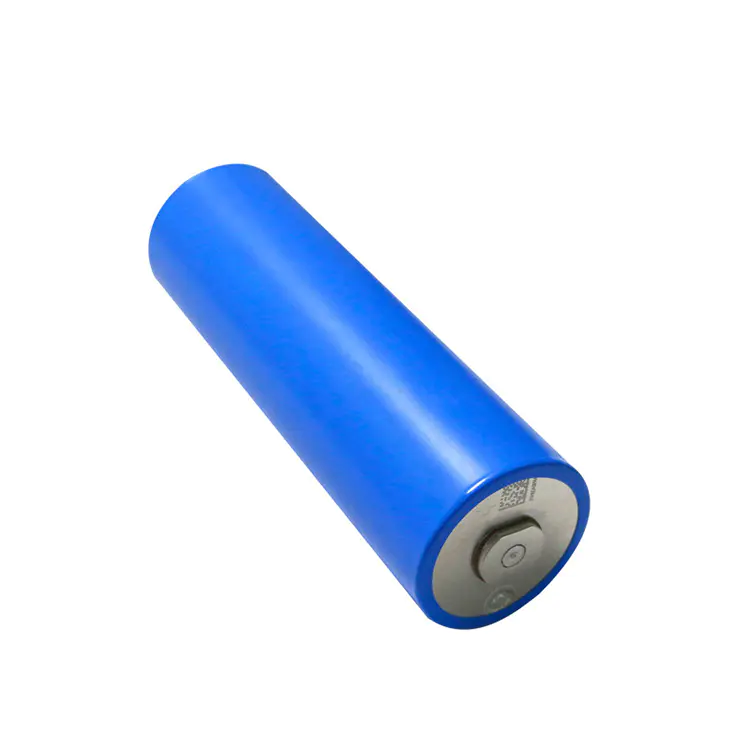
Cylindrical and prismatic cells are two common formats used in lithium battery systems. Cylindrical cells have a round metal casing and standardized dimensions. Their relatively compact size allows multiple units to be arranged in rows or groups. The 21700 format, for example, measures approximately 21 mm in diameter and 70 mm in length. Compared with smaller cylindrical formats, it can provide greater capacity per cell, although the actual value depends on the cell specification.
Prismatic cells use a flat, rectangular casing, often made from aluminum. Their shape allows them to be arranged in compact stacks with less unused space between individual units. A pack using prismatic cells may require fewer cell connections to reach a particular capacity, while a cylindrical design offers more flexibility in arranging smaller units. The choice depends on the available enclosure space, target electrical characteristics and overall pack structure.
After selecting a cell format, the next step is deciding how the cells will be connected. Series connections increase voltage, while parallel connections increase capacity. Battery configurations are commonly described using combinations such as 14S4P, meaning fourteen cells or cell groups connected in series and four connected in parallel.
For example, consider a hypothetical cell with a nominal voltage of 3.6 V and a capacity of 4 Ah. A 14S4P arrangement produces a nominal voltage of 50.4 V and a capacity of 16 Ah. The resulting energy is approximately 806 Wh. Changing the arrangement to 7S8P keeps the same theoretical energy but produces a lower voltage and a higher capacity rating in ampere-hours. This distinction matters because the connected equipment and electrical system must be compatible with the pack's voltage and current requirements.
Cell matching is another important part of pack assembly. Individual cells can differ slightly in capacity, voltage and internal resistance, even when they share the same model specification. If cells with significantly different characteristics are grouped together, they may not charge and discharge in the same way. In a series-connected group, the cell with the lowest usable capacity can limit the overall performance of the string.
Manufacturers therefore evaluate cells before assembly, comparing measurements such as capacity, voltage and internal resistance. Grouping cells with similar characteristics helps create more consistent electrical behavior. The battery management system also monitors operating conditions and helps manage charging, discharging and protection functions, but it does not eliminate the importance of selecting compatible cells at the beginning.
Connections complete the internal structure. Cylindrical cells may use nickel strips or busbars, while prismatic cells commonly use larger terminal connections. Welding quality, contact resistance and mechanical support all influence how current travels through the pack.
A reliable Cell Energy Storage Lithium Battery depends on several decisions working together. Cell format determines the physical arrangement, series and parallel connections establish the electrical configuration, and cell matching helps maintain consistency across the assembled group.
 Italiano
 English
 Arabic
 French
 Spanish
 Portuguese
 Deutsch
 Turkish
 Dutch
 Russian
 Romaian
 Portuguese (Brazil)
 Greek