


What Causes Unusual Noises in a CUPRA and Which Parts Should Be Checked?
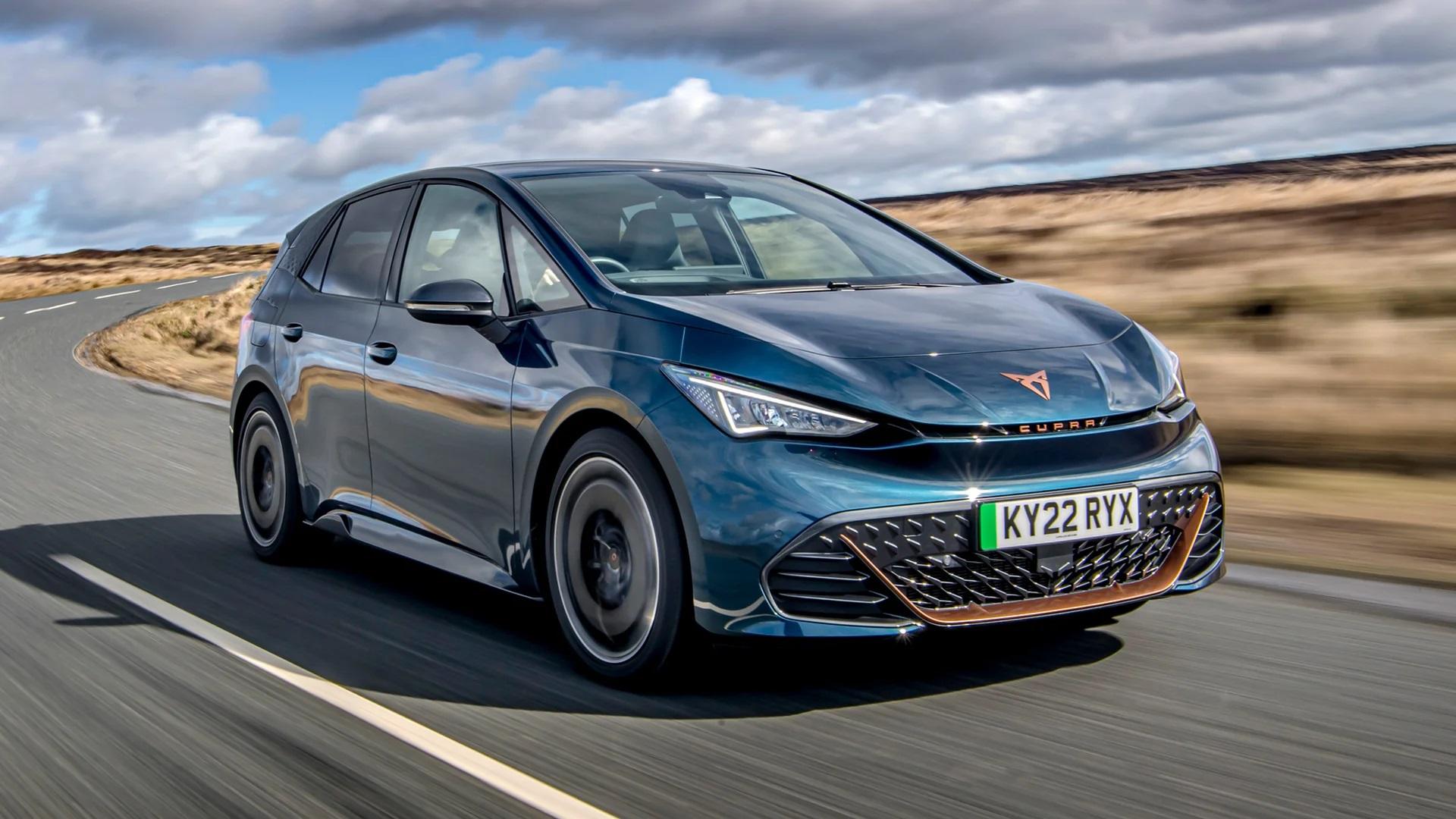
Unusual noises coming from your CUPRA can be an early indication that a vehicle component needs attention. While some sounds may result from normal operation or changing road conditions, persistent rattling, grinding, squealing or knocking noises should not be ignored.
Different vehicle systems produce different sounds when components become worn, loose or damaged. Identifying when the noise occurs and where it comes from can help narrow down the possible cause.
Whether you drive a CUPRA Formentor, Leon, Ateca or Born, understanding common vehicle noises can help you recognise potential problems and arrange the appropriate inspection before further damage occurs.
1. Grinding Noises When Applying the Brakes
Grinding sounds when braking can indicate excessive wear or damage within the braking system. One possible cause is brake pads that have worn down to the point where their metal backing plates contact the brake discs.
Other potential causes include damaged discs, trapped debris or problems with brake callipers.
The main components to check include:
-
Brake pads for excessive wear.
-
Brake discs for scoring or surface damage.
-
Brake callipers for sticking or uneven operation.
-
Brake hardware for loose or damaged fittings.
Grinding should be treated as a serious warning sign. Avoid continuing to drive if braking performance is affected, and arrange a professional inspection.
2. Squealing Sounds from the Engine Area
A high-pitched squealing noise from the engine compartment may indicate a problem with a belt-driven accessory or its associated components.
Depending on the CUPRA model and engine configuration, possible causes include a worn auxiliary belt, a faulty tensioner or a damaged pulley bearing.
Components worth inspecting include:
-
Auxiliary drive belts.
-
Belt tensioners.
-
Idler pulleys.
-
Accessory bearings.
The noise may become more noticeable during engine start-up or when certain electrical or air-conditioning systems are operating.
A qualified technician can inspect the belt system and determine whether adjustment or component replacement is required.
3. Rattling Noises When Driving Over Uneven Roads
If you hear rattling when travelling over speed bumps, potholes or uneven road surfaces, the suspension and underbody components may need inspection.
Loose fittings, worn suspension bushes and damaged stabiliser links can produce rattling or knocking sounds.
Common components to check include:
-
Suspension bushes.
-
Stabiliser bar links.
-
Shock absorbers and struts.
-
Ball joints.
-
Underbody shields and mounting clips.
A loose heat shield or exhaust bracket can also create similar sounds. Identifying the source is important because several different components can produce comparable noises.
4. Knocking Sounds During Acceleration
Knocking or clicking noises when accelerating may indicate an issue with the drivetrain, engine mounts or other mechanical components.
The cause can vary depending on when the sound occurs and the type of vehicle configuration.
Some components that may require inspection include:
-
Engine and transmission mounts.
-
Driveshafts.
-
Constant velocity (CV) joints.
-
Exhaust mounting points.
-
Engine-related components.
For example, a clicking noise that becomes more noticeable when turning may indicate a worn CV joint. However, a proper inspection is needed to distinguish this from other drivetrain or suspension issues.
If the noise is accompanied by vibration or reduced performance, arrange an inspection promptly.
5. Whining Sounds from the Transmission
A whining or humming noise that changes with vehicle speed or gear selection may indicate a transmission or drivetrain concern.
Possible causes include worn bearings, lubrication problems or internal transmission component wear.
The following areas may need checking:
-
Transmission fluid condition and level, where applicable.
-
Transmission bearings.
-
Gear-related components.
-
Driveshaft connections.
-
Related drivetrain mounts.
The type of transmission fitted to your CUPRA will determine the appropriate inspection and maintenance requirements. Avoid assuming that every whining noise is caused by the gearbox, as wheel bearings and tyres can produce similar sounds.
6. Clicking Noises When Turning
Repeated clicking or popping sounds during tight turns can be associated with worn CV joints.
CV joints transfer power from the transmission to the wheels while allowing the suspension and steering systems to move. Their protective rubber boots help retain grease and prevent dirt or moisture from entering.
If a CV boot becomes damaged, the joint may lose lubrication and become contaminated.
During an inspection, check:
-
Inner and outer CV joints.
-
CV boots for cracks or splits.
-
Grease leakage around the joints.
-
Driveshaft connections.
Addressing a damaged boot early may help prevent further deterioration of the joint.
7. Humming or Roaring Sounds at Higher Speeds
A humming or roaring noise that becomes louder as your CUPRA gains speed may be associated with wheel bearings, tyres or drivetrain components.
A worn wheel bearing can produce a continuous humming sound that changes with vehicle speed. Uneven tyre wear, incorrect tyre pressures and damaged wheel surfaces can also contribute to road noise.
Important areas to inspect include:
-
Front and rear wheel bearings.
-
Tyre tread condition.
-
Wheel alignment.
-
Wheel balancing.
-
Tyre pressure.
If the sound changes when cornering, this may provide additional information for the technician during diagnosis. However, it is not enough on its own to identify a faulty bearing.
8. Exhaust Rattling or Unusual Engine Sounds
A rattling noise from underneath the vehicle may indicate a loose exhaust heat shield, bracket or mounting component.
Other exhaust-related issues can include damaged hangers, loose connections or deterioration within the exhaust system.
Components to inspect include:
-
Exhaust pipes and connections.
-
Exhaust brackets and hangers.
-
Heat shields.
-
Exhaust mounts.
-
Mufflers and resonators.
If the noise is accompanied by unusual exhaust fumes, a strong smell or reduced engine performance, have the vehicle inspected promptly.
For owners looking for replacement components, checking the correct Cupra Ateca exhaust application is important. Exhaust configurations can differ according to the vehicle's engine and production specifications.
9. Electrical Buzzing or Clicking Noises
Not every unusual sound comes from a mechanical component. Some noises may originate from electrical equipment, relays, cooling fans or other vehicle systems.
Depending on the model, possible sources include:
-
Cooling fans.
-
Electrical relays.
-
Air-conditioning components.
-
Door locking mechanisms.
-
Electronic actuators.
Electric CUPRA models may also produce certain operating sounds associated with their electric drivetrain and vehicle systems. Some sounds are normal, while new, persistent or unusually loud noises should be checked against the manufacturer's guidance.
10. Interior Rattling and Squeaking
Unusual sounds inside the cabin can often be traced to loose trim, storage compartments or interior fittings.
Changes in temperature and regular vehicle use can cause some plastic components to move or develop minor rattles.
Check the following areas:
-
Dashboard trim.
-
Door panels.
-
Centre console fittings.
-
Seat mounting points.
-
Glovebox and storage compartments.
-
Boot covers and luggage-area fittings.
If the noise continues after checking loose belongings and removable accessories, a technician can inspect the interior fittings and mounting points.
Why Identifying the Correct Replacement Parts Matters
Once the source of an unusual noise has been identified, selecting the correct replacement component is equally important.
CUPRA models have different mechanical systems, body configurations and equipment specifications. Even within the same model range, components may vary according to the production year, engine type and factory options.
Before purchasing replacement parts, check:
-
Your exact CUPRA model and manufacturing year.
-
Engine and transmission specifications.
-
Original equipment or part numbers.
-
Component dimensions and mounting requirements.
-
Compatibility with the existing vehicle system.
For owners exploring Cupra aftermarket parts, reviewing product descriptions and confirming fitment can help avoid ordering unsuitable components.
You can also browse Cupra Formentor parts for products listed within the relevant model collection. Always verify the individual product's compatibility before purchasing.
When Should You Have Your CUPRA Inspected?
Unusual vehicle noises should be assessed based on their frequency, intensity and associated symptoms.
Arrange a professional inspection if you notice:
-
Persistent grinding or squealing.
-
Repeated knocking during acceleration.
-
Vibrations alongside unusual noises.
-
Changes in steering or braking response.
-
Rattling that becomes progressively louder.
-
Warning lights appearing alongside unusual sounds.
If you experience a serious braking or steering issue, or suspect a component could fail, stop driving when safe and arrange appropriate assistance.
Keep Your CUPRA Running Smoothly
Unusual noises can provide useful warning signs about the condition of your vehicle. From worn brake pads and suspension components to drivetrain concerns and loose exterior fittings, identifying the source early can help prevent additional damage.
Regular servicing, careful inspections and choosing compatible replacement components all contribute to maintaining your CUPRA. If a new or persistent noise develops, having it assessed by a qualified technician is the best way to determine the cause and identify the correct repair.
 French
 English
 Arabic
 Spanish
 Portuguese
 Deutsch
 Turkish
 Dutch
 Italiano
 Russian
 Romaian
 Portuguese (Brazil)
 Greek