


How Clear Aligners for Teeth Help Improve Smile Alignment Comfortably
A well-aligned smile can support better oral hygiene, balanced chewing, and greater confidence in everyday interactions. Many people consider orthodontic treatment when they notice crowded teeth, unwanted gaps, or uneven positioning that affects their smile. Modern dentistry offers different solutions to address these concerns, including removable orthodontic appliances designed for convenience and appearance. Clear aligners for teeth provide a discreet approach to gradually improving dental alignment through a series of custom-made transparent trays. Understanding their working process, benefits, limitations, and maintenance requirements can help patients decide whether this treatment suits their individual orthodontic needs.
Understanding Clear Aligners for Teeth
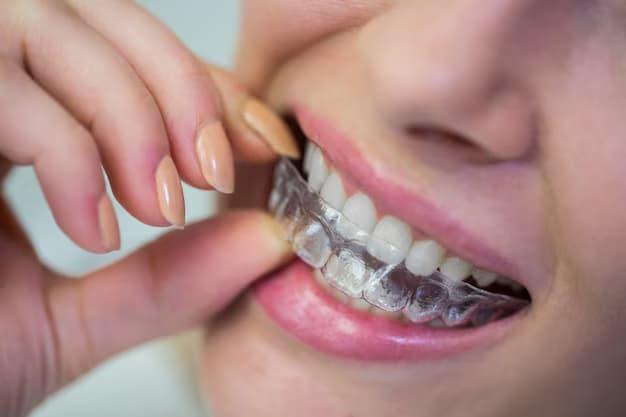
Clear aligners are transparent, removable orthodontic trays designed to move teeth gradually into planned positions. Each aligner is manufactured to fit the patient's dental structure and applies controlled pressure to selected teeth. Patients usually receive a series of trays and change them according to the schedule provided by their orthodontic professional. Unlike traditional braces, aligners do not rely on fixed metal brackets and wires. Their removable design allows patients to take them out while eating, drinking beverages other than water, brushing, and flossing, making everyday oral care more convenient.
How Clear Aligners Improve Smile Alignment
Clear aligners improve alignment through a carefully planned sequence of small tooth movements. The process generally begins with an examination and digital scanning or impressions of the teeth. These records help the orthodontist develop a treatment plan that identifies the desired tooth positions and the movements required to reach them. Each aligner in the series is designed to make a specific adjustment, gradually guiding the teeth toward improved alignment. Regular professional checkups help evaluate progress and determine whether the treatment is following the planned direction.
Dental Problems Clear Aligners May Help Correct
Clear aligners may be suitable for addressing several mild to moderate orthodontic concerns, depending on the patient's dental condition. They can help manage crowded teeth, small spaces, certain rotated teeth, and selected bite irregularities. Crowding occurs when there is not enough room for teeth to sit evenly, while spacing creates visible gaps between individual teeth. Some cases involving overbites, underbites, crossbites, or open bites may also be considered for aligner treatment. More complex conditions may require traditional braces or another orthodontic approach, making professional evaluation essential before treatment begins.
Comfort and Convenience of Removable Aligners
One reason patients consider aligners is their removable design and smooth construction. Without traditional brackets and wires, there may be fewer opportunities for metal components to rub against the cheeks and lips. Patients can remove their trays during meals, allowing them to enjoy a wider variety of foods without worrying about damaging fixed orthodontic appliances. Brushing and flossing can also be performed without working around brackets. However, some pressure or temporary tenderness may occur when starting a new aligner because the teeth are being guided into different positions.
The Importance of Personalized Treatment Planning
Successful orthodontic treatment begins with an assessment of the patient's teeth, gums, bite, and overall oral health. Digital scans, photographs, or dental X-rays may be recommended when necessary to create an accurate picture of the dental structure. The orthodontist uses this information to determine whether aligners can address the patient's concerns and develop an appropriate movement plan. Some treatments may require small tooth-colored attachments or other supporting techniques to help specific teeth move as intended. Personalized planning also helps establish realistic expectations about treatment duration and possible limitations.
What Happens During Clear Aligner Treatment?
The treatment process usually begins with a consultation to discuss alignment concerns and determine whether removable aligners are appropriate. After the examination, digital scans or impressions are taken to help create the custom trays. Patients receive instructions explaining how long to wear each aligner, when to change trays, and how to clean them properly. Most treatment plans require aligners to be worn for the majority of the day, removing them mainly for meals and oral hygiene. Follow-up appointments allow the orthodontist to monitor progress and make adjustments if tooth movement differs from the plan.
Why Consistent Aligner Wear Is Important
Clear aligners depend on patient cooperation because they can be removed throughout the day. Wearing them for the recommended number of hours helps maintain the controlled pressure needed for gradual tooth movement. Extended periods without the trays may interrupt progress and make it harder for the next aligner to fit correctly. Patients should follow the prescribed schedule and avoid changing trays earlier than instructed. Keeping aligners in their protective case whenever they are removed also helps prevent accidental damage or loss, supporting a more organized treatment routine.
Maintaining Oral Hygiene During Aligner Treatment
Good oral hygiene is important because food particles and plaque can become trapped when aligners are placed over unclean teeth. Patients should brush after meals and floss daily before putting their trays back in. The aligners should also be cleaned according to professional instructions to prevent buildup, discoloration, and unpleasant odors. Hot water should generally be avoided because it may distort the plastic material. Regular dental examinations and professional cleanings remain necessary throughout treatment, helping identify cavities, gum inflammation, or other concerns that could affect orthodontic progress.
Clear Aligners Compared With Traditional Braces
Clear aligners and traditional braces both aim to improve tooth alignment, but they use different methods. Traditional braces rely on fixed brackets and wires that remain attached to the teeth, making them suitable for a broad range of orthodontic conditions, including many complex cases. Clear aligners use removable transparent trays and may offer greater flexibility during meals and cleaning. However, their success depends heavily on consistent wear, and they may not be suitable for every type of tooth movement. An orthodontic professional can compare the available options based on the patient's dental condition and treatment goals.
Understanding Treatment Duration and Cost
The duration and cost of aligner treatment depend on several factors, including the complexity of tooth movement, the number of trays required, and the professional services included in the treatment plan. Mild spacing or crowding may require a different approach from more extensive alignment concerns. Patients should request a clear explanation of the estimated fee, appointment schedule, possible refinements, and retainer costs before beginning treatment. Although consistent wear can support progress, the exact timeline varies between individuals. A professional consultation provides a more realistic estimate based on the patient's dental condition.
Retainers Help Maintain the Results
Completing the final aligner tray does not mean that teeth will automatically remain in their corrected positions. Teeth can gradually shift after orthodontic treatment as the surrounding tissues adjust to the new alignment. Retainers help maintain the results and reduce the possibility of unwanted movement. Depending on the patient's needs, the orthodontist may recommend removable or fixed retainers and provide a specific wearing schedule. Patients should clean removable retainers regularly, store them safely, and attend recommended follow-up appointments. Consistent retainer use is an important part of protecting long-term orthodontic results.
Conclusion
Clear aligners offer a removable and discreet option for improving selected dental alignment concerns. Their transparent appearance, convenient cleaning routine, and flexibility during meals make them appealing to many patients. However, successful treatment requires appropriate case selection, personalized planning, consistent wear, and regular professional supervision. Patients should understand the benefits and limitations before choosing this approach and discuss their expectations during an orthodontic consultation. Clove Dental Beverly Hills can be considered by individuals exploring dental care and orthodontic treatment options, with a professional evaluation helping identify a suitable approach for achieving a healthier, more balanced smile.
 Portuguese
 English
 Arabic
 French
 Spanish
 Deutsch
 Turkish
 Dutch
 Italiano
 Russian
 Romaian
 Portuguese (Brazil)
 Greek