


Indoor Cannabis Cultivation Standards: What Your Facility Must Meet
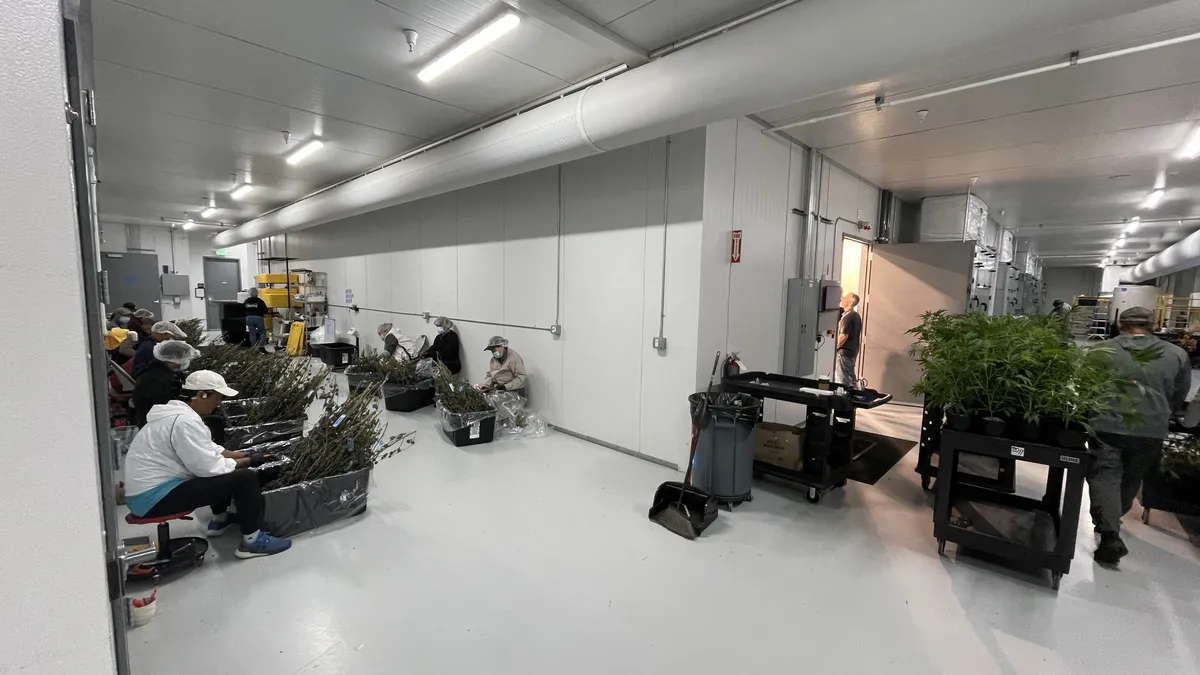
Indoor cultivation operates under a patchwork of expectations. Some come from law, some from building and fire codes, and others from quality frameworks that buyers and export markets increasingly demand. Understanding indoor cannabis cultivation standards helps operators design a facility that satisfies today's requirements and adapts to tomorrow's. This article breaks the landscape into the main categories every grower should recognize.
Regulatory and Licensing Standards
The foundation is the set of rules from your state, province, or country and your local jurisdiction. These typically address licensed activities, canopy limits, security, inventory tracking, waste disposal, and facility inspections. Requirements differ widely between markets, so a design that works in one location may need adjustment in another. Start by collecting every applicable rule and reviewing it with your design team before layout work begins.
Building, Fire, and Safety Codes
Even where cannabis rules are silent, standard codes apply. Electrical systems must handle the sustained loads of lighting and climate equipment safely. Fire protection, egress, and occupancy classifications affect layout and construction. Gas systems for carbon dioxide enrichment, and any chemical storage, require proper detection and ventilation. Code compliance is verified during permitting and inspection, and gaps found late are disruptive to fix.
Environmental Control Standards
While law rarely specifies exact temperature or humidity, quality outcomes demand tight control. Growers define target ranges for each stage of the crop and design systems to hold them. That includes dehumidification, cooling, air distribution, filtration, and monitoring. Consistency from room to room and batch to batch is the real standard, because buyers and patients expect reliable product.
Sanitation and Contamination Control
Pests, mold, and microbial contamination threaten both yield and compliance. Facility design supports control through cleanable finishes, controlled entry points, air filtration, and separation of clean and dirty activities. Gowning procedures and footbaths may be appropriate. Written sanitation procedures, with logs showing they are followed, turn good intentions into evidence.
GMP and GACP Quality Frameworks
Good Manufacturing Practice and Good Agricultural and Collection Practice frameworks are increasingly important for operators serving medical or international markets. They emphasize documented procedures, traceability, trained personnel, calibrated equipment, and controlled environments. Designing a facility with these frameworks in mind from the start is far easier than retrofitting later, and it opens doors to markets that insist on certification.
Documentation, Traceability, and Training
Standards live in records. Batch documentation, equipment maintenance logs, training files, and deviation reports show that processes are controlled and repeatable. Facilities should include space and systems for this recordkeeping, so documentation becomes part of everyday work and not a scramble before an audit.
Building Toward the Highest Bar
The most resilient operators design to the strictest standard they may need to meet, even if current requirements are lighter. It keeps options open as markets mature and regulations tighten. If you are planning a new cultivation facility or evaluating an existing one against these expectations, contact DRM Design to discuss how your space can meet them with confidence.
 Spanish
 English
 Arabic
 French
 Portuguese
 Deutsch
 Turkish
 Dutch
 Italiano
 Russian
 Romaian
 Portuguese (Brazil)
 Greek