


Why a Custom Night Guard Can Help Prevent Tooth Wear During Sleep
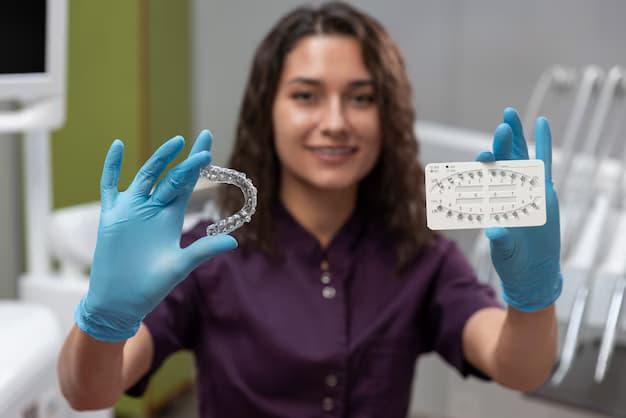
Sleep is essential for maintaining overall health, but certain habits during the night can gradually affect dental health. Teeth grinding, also known as bruxism, is a common condition that often occurs without a person realizing it. Repeated grinding and clenching can place considerable pressure on the teeth, leading to enamel erosion, sensitivity, and other dental concerns. A custom night guard can provide an effective way to protect teeth from excessive pressure and reduce the impact of nighttime grinding while supporting long term oral health.
Understanding Tooth Grinding During Sleep
Nighttime teeth grinding is an involuntary habit in which a person repeatedly clenches, rubs, or presses the upper and lower teeth together while sleeping. Since this activity happens unconsciously, many individuals remain unaware of it until a dental professional identifies visible signs of wear or they experience symptoms such as jaw discomfort. Grinding can happen occasionally or become a recurring habit that affects dental health. Over time, repeated pressure can gradually weaken the protective enamel covering the teeth and increase the possibility of additional dental problems.
Common Causes of Nighttime Teeth Grinding
Several factors can contribute to nighttime teeth grinding, including emotional stress, anxiety, sleep disturbances, and certain lifestyle habits. Some individuals may grind their teeth during periods of increased mental tension, while others may experience it alongside conditions such as sleep apnea. Consumption of caffeine, alcohol, and tobacco may also contribute to grinding in certain individuals. The causes can vary from person to person, making professional evaluation important. Identifying possible contributing factors helps dental professionals recommend suitable strategies to manage grinding and protect the teeth.
How Tooth Wear Develops Over Time
Tooth enamel is the hard outer layer that protects the inner structures of each tooth. Although enamel is highly durable, it cannot regenerate once significant damage occurs. During nighttime grinding, repeated friction between opposing teeth can gradually wear down this protective surface. Continued pressure may create flattened chewing surfaces, small cracks, and increased tooth sensitivity. As enamel becomes thinner, the underlying dentin may become exposed, making teeth more vulnerable to discomfort and damage. Early attention can help reduce further deterioration and preserve natural tooth structure.
How a Custom Night Guard Protects Teeth
A night guard creates a protective barrier between the upper and lower teeth, reducing direct contact during periods of grinding or clenching. A professionally designed appliance is shaped according to an individual's dental structure, allowing it to provide a more suitable fit than many standard alternatives. By distributing pressure across the appliance, it can help reduce the direct impact of grinding on natural teeth. Although a night guard does not necessarily stop the grinding habit itself, it can help limit tooth damage and support better dental protection.
Provides a Protective Barrier Against Grinding
One of the primary benefits of wearing a night guard is the physical separation it creates between opposing teeth. Without this barrier, repeated grinding can cause enamel surfaces to rub against each other throughout the night. A properly fitted appliance helps prevent direct tooth to tooth contact, reducing friction and protecting vulnerable surfaces. This protection can be particularly valuable for individuals who experience frequent grinding or have already developed visible signs of enamel wear. Consistent use, combined with regular dental monitoring, can help maintain the condition of natural teeth.
Helps Distribute Pressure More Evenly
Nighttime clenching can place substantial force on specific teeth, particularly the back teeth that handle much of the chewing pressure. Uneven force distribution may contribute to cracks, worn surfaces, and discomfort around existing dental restorations. A custom appliance is designed to create a more balanced contact between the dental arches, helping distribute pressure across a broader area. This may reduce excessive stress on individual teeth and supporting structures. The appliance also provides a cushioning layer that helps protect dental surfaces from repeated mechanical contact during sleep.
Benefits of Choosing a Custom Made Night Guard
Custom made night guards are created using impressions or digital scans of an individual's teeth, allowing the appliance to match the natural shape of the dental arches. This personalized approach can provide improved stability, comfort, and retention compared with generic products. A suitable fit is particularly important because an uncomfortable appliance may discourage regular use. Dental professionals can also consider the patient's grinding pattern, bite alignment, and existing dental concerns when recommending an appropriate design. These factors help determine which appliance may provide suitable protection and long term usability.
Offers a More Comfortable Fit
Comfort plays an important role in determining whether an individual can consistently wear a night guard throughout the night. Poorly fitting appliances may feel bulky, move during sleep, or create unnecessary pressure around certain teeth and gums. A custom made appliance is designed around the patient's individual dental anatomy, helping it sit securely and comfortably. Its personalized shape can make speaking before bedtime and adjusting to nighttime wear easier. Greater comfort may encourage consistent use, allowing individuals to benefit from ongoing protection against the effects of nighttime grinding.
Supports Better Dental Protection
A properly fitted night guard can help protect several aspects of dental health by limiting the effects of repeated grinding. It may reduce the risk of additional enamel wear, help protect existing fillings and crowns, and minimize direct pressure on vulnerable tooth surfaces. Individuals who already have dental restorations may particularly benefit from discussing protective options with a dental professional. However, the appliance cannot repair existing cracks, restore lost enamel, or treat every underlying cause of grinding. Regular examinations remain important for identifying changes and adjusting treatment recommendations when necessary.
Signs That Someone May Need a Night Guard
Many people discover nighttime grinding through symptoms rather than noticing the habit itself. Common warning signs include waking up with jaw stiffness, facial soreness, headaches, or tenderness around the teeth. Other indicators may include flattened chewing surfaces, chipped enamel, increased sensitivity, and unexplained damage to dental restorations. A sleeping partner may also notice grinding sounds during the night. These symptoms do not always indicate bruxism, but they can justify a dental examination. Early identification helps determine whether a protective appliance or another treatment approach may be appropriate.
The Importance of Proper Night Guard Care
Maintaining a night guard is essential for keeping the appliance clean, hygienic, and suitable for regular use. After removing it each morning, the wearer should rinse it with cool or lukewarm water and clean it according to the dentist's instructions. Hot water should generally be avoided because excessive heat may affect the appliance's shape. It should also be allowed to dry completely before being stored in a clean, ventilated case. Regular cleaning helps prevent the accumulation of bacteria, saliva deposits, and unpleasant odors that may develop with repeated use.
When Should a Night Guard Be Replaced?
The lifespan of a night guard depends on its material, construction, maintenance, and the severity of an individual's grinding habit. Frequent or forceful grinding may cause the appliance to develop scratches, cracks, thinning areas, or visible changes in its shape. A guard that no longer fits securely may also provide inadequate protection. Regular dental appointments allow professionals to examine the appliance and identify signs of deterioration. Replacement may be recommended when the material becomes damaged, the fit changes, or the patient's dental structure requires a different design.
Additional Ways to Reduce Nighttime Teeth Grinding
A night guard can provide physical protection, but addressing contributing lifestyle and sleep factors may also help manage nighttime grinding. Relaxation activities such as gentle stretching, meditation, and breathing exercises may help individuals manage daily stress. Maintaining a consistent sleep schedule and creating a comfortable sleeping environment can support better sleep habits. Reducing excessive caffeine and alcohol consumption, particularly later in the day, may also be beneficial. Individuals experiencing persistent grinding should discuss their symptoms with a dental professional to identify appropriate management options.
Why Professional Dental Evaluation Matters
A dental examination helps determine whether nighttime grinding has caused enamel damage, tooth fractures, jaw discomfort, or other oral health concerns. Dental professionals can evaluate the condition of the teeth, examine the bite, and discuss symptoms that may indicate bruxism. They can also determine whether a custom appliance is suitable and recommend adjustments based on individual needs. In some cases, additional assessment may be necessary when grinding occurs alongside sleep related conditions. Professional guidance helps ensure that the recommended approach addresses both tooth protection and the patient's overall dental health.
Conclusion
Nighttime teeth grinding can gradually damage enamel, increase sensitivity, and place unnecessary pressure on teeth and supporting structures. A properly designed night guard offers a practical way to reduce direct tooth contact, distribute grinding pressure, and protect natural teeth during sleep. Choosing a personalized appliance, maintaining good cleaning habits, and attending regular dental examinations can support lasting oral health. Individuals experiencing signs of bruxism can consult Clove Dental Beverly Hills to discuss their symptoms, understand suitable protective options, and receive professional guidance for maintaining healthier teeth.

 Arabic
 French
 Spanish
 Portuguese
 Deutsch
 Turkish
 Dutch
 Italiano
 Russian
 Romaian
 Portuguese (Brazil)
 Greek