


How Root Planing Treatment Helps Manage Gum Disease and Restore Gum Health
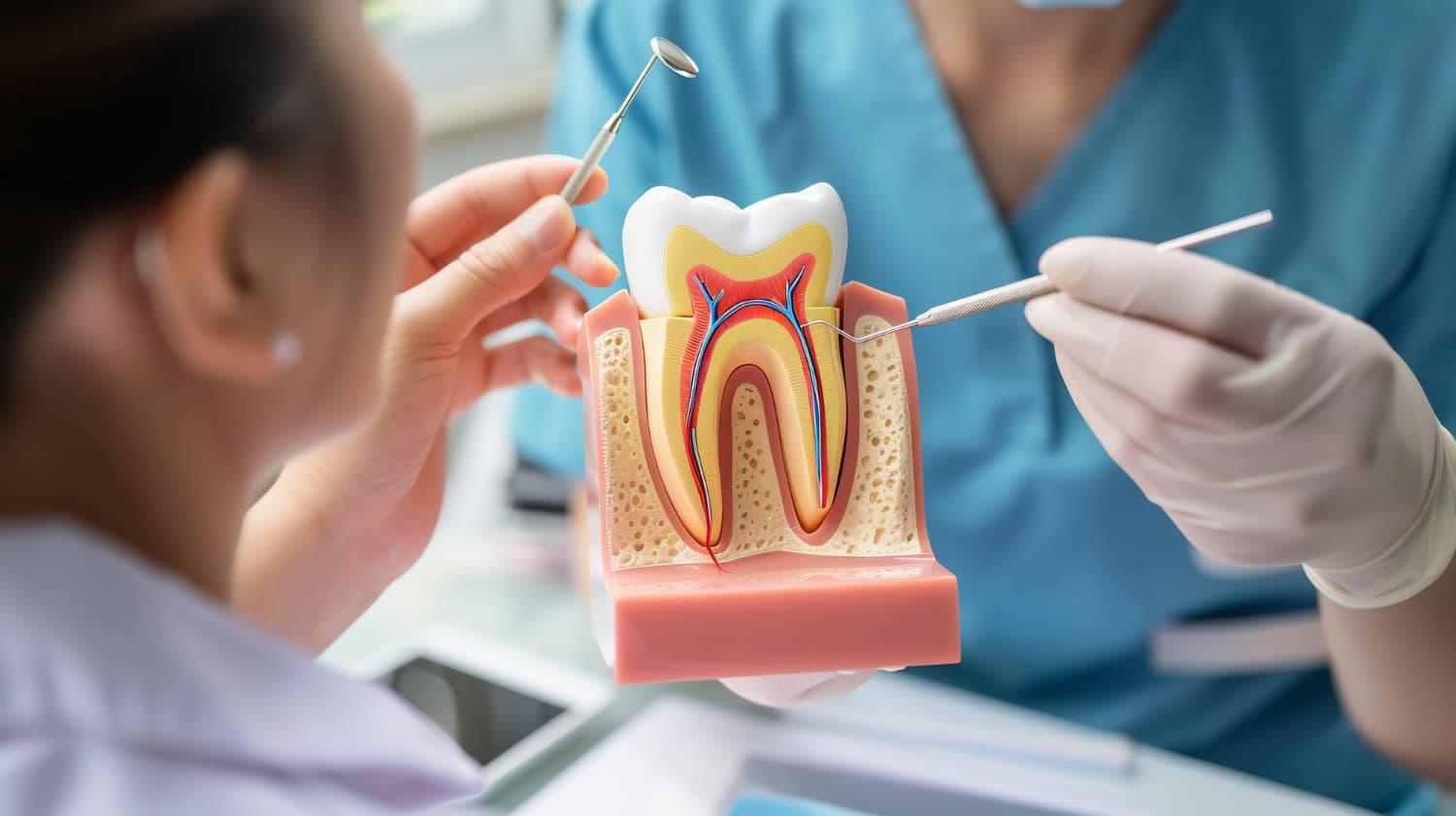
Healthy gums play an essential role in protecting teeth and supporting overall oral health. However, plaque and tartar accumulation along the gumline can gradually lead to inflammation, infection, and damage to the tissues surrounding the teeth. When gum disease progresses beyond its early stages, regular brushing and professional cleaning may no longer be sufficient to manage the condition. Root planing treatment is a specialized dental procedure that helps remove harmful deposits from below the gumline and creates cleaner root surfaces, supporting gum healing and better periodontal health.
Understanding Gum Disease and Its Effects
Gum disease, also known as periodontal disease, is an inflammatory condition that affects the tissues supporting the teeth. It commonly develops when plaque accumulates along the gumline and hardens into tartar, allowing harmful bacteria to remain around the teeth. Early gum disease, called gingivitis, may cause redness, swelling, and bleeding during brushing. Without appropriate care, the condition can progress into periodontitis, which may damage the supporting bone and connective tissues. Early recognition and professional treatment help reduce the risk of long term dental complications.
Common Causes of Gum Disease
Plaque buildup is one of the primary causes of gum disease because it contains bacteria that can irritate gum tissues. Inadequate oral hygiene, smoking, certain medical conditions, hormonal changes, and genetic factors may also influence periodontal health. Some individuals may be more susceptible to gum inflammation even when they follow regular brushing routines. As plaque remains around the teeth, it can harden into tartar that cannot be removed through ordinary brushing. Professional dental cleaning helps eliminate these deposits and reduces the bacterial accumulation associated with gum disease.
What Is Root Planing Treatment?
Root planing is a nonsurgical periodontal procedure designed to clean the root surfaces of teeth beneath the gumline. It is commonly performed alongside scaling, which removes plaque and hardened tartar from tooth surfaces. During root planing, dental professionals carefully smooth the affected root areas to remove bacterial deposits and contaminated material. This helps create a cleaner environment around the teeth and supports the natural healing of gum tissues. The procedure is generally recommended for individuals with periodontitis who require deeper cleaning than a routine dental prophylaxis can provide.
Understanding the Difference Between Scaling and Root Planing
Scaling and root planing are closely related procedures that address different aspects of periodontal cleaning. Scaling focuses on removing plaque and tartar from the visible tooth surfaces and beneath the gumline. Root planing concentrates on cleaning and smoothing the root surfaces where bacteria and deposits may remain attached. Together, these procedures help reduce bacterial accumulation and support healthier gum attachment. The extent of treatment depends on the severity of periodontal disease, the number of affected teeth, and the depth of the periodontal pockets.
How Root Planing Helps Manage Gum Disease
Root planing helps manage gum disease by reducing the bacterial deposits that contribute to inflammation and periodontal tissue damage. When harmful substances are removed from below the gumline, the surrounding tissues may gradually become less inflamed and begin healing. Cleaning the root surfaces also helps reduce areas where plaque can accumulate. Although the procedure cannot reverse all damage caused by advanced periodontitis, it can help control infection and support better periodontal stability. Regular professional monitoring and consistent home care remain important after treatment.
Removes Harmful Bacterial Deposits
Bacteria trapped beneath the gumline can contribute to persistent inflammation and damage to the supporting structures of teeth. Ordinary brushing and flossing may not reach these deeper areas effectively, particularly when periodontal pockets have developed. Root planing allows dental professionals to remove plaque, tartar, and bacterial deposits from affected root surfaces. Reducing these deposits helps limit the irritation responsible for ongoing gum inflammation. This creates a healthier environment for tissue recovery and supports efforts to prevent further periodontal deterioration.
Helps Reduce Gum Inflammation
Inflamed gums may appear red, swollen, and tender, and they may bleed during brushing or flossing. These symptoms often develop because bacteria and their byproducts irritate the surrounding tissues. By removing accumulated deposits beneath the gumline, root planing helps reduce the source of irritation. As healing progresses, gum tissues may become firmer, less swollen, and less likely to bleed. The response varies depending on the severity of the disease and individual health factors, making follow up examinations important for evaluating treatment effectiveness.
How Root Planing Supports Gum Healing
Healthy gums fit closely around the teeth and help protect the underlying roots and supporting structures. Periodontal disease can cause the gum tissues to separate from the teeth, creating pockets where bacteria and debris collect. Root planing helps clean these affected areas and creates conditions that support tissue healing. As inflammation decreases, the gums may become healthier and the depth of some periodontal pockets may improve. However, the amount of recovery depends on the extent of existing damage and the individual's response to treatment.
Helps Reduce Periodontal Pocket Depth
Periodontal pockets develop when inflamed gum tissues separate from the surfaces of teeth. Deeper pockets provide additional space for bacteria to accumulate, making daily cleaning more difficult. Root planing removes deposits from these areas and helps reduce the bacterial burden. Following treatment, inflammation may decrease and the gum tissues can become healthier, potentially reducing pocket depth. Dental professionals measure these pockets during examinations to monitor changes and determine whether additional periodontal treatment is necessary.
Supports Better Attachment Around Teeth
The tissues surrounding teeth provide essential support and help maintain their stability. Periodontal disease can damage the attachment between the gums, connective tissues, and tooth roots. Root planing helps remove deposits that contribute to inflammation, creating a healthier environment for periodontal healing. Although it cannot automatically restore lost bone or completely reverse advanced attachment damage, it can help manage active disease and support the remaining structures. Consistent oral hygiene and professional maintenance are important for preserving the results achieved through treatment.
Signs That May Indicate the Need for Root Planing
Certain symptoms may suggest that gum disease has progressed beyond its early stages and requires specialized periodontal care. Common warning signs include persistent gum bleeding, swelling, redness, bad breath, gum recession, and tenderness around the teeth. Some individuals may also notice spaces developing between their teeth or changes in tooth stability. However, gum disease can progress without causing significant discomfort. Regular dental examinations are therefore important for identifying periodontal problems early and determining whether deeper cleaning or additional treatment is necessary.
Persistent Bleeding and Swollen Gums
Gums that frequently bleed during brushing or flossing may indicate inflammation caused by plaque accumulation. Persistent swelling, redness, and tenderness can also suggest that periodontal tissues are affected. Although occasional bleeding may occur for different reasons, repeated symptoms should not be ignored. A dental professional can examine the gumline, measure periodontal pockets, and identify areas where bacterial deposits have accumulated. Early evaluation helps determine the severity of the condition and whether scaling and root planing may be beneficial.
Gum Recession and Loose Teeth
As periodontal disease progresses, the supporting tissues and bone around teeth may gradually deteriorate. This can cause the gums to recede, making teeth appear longer than before. Advanced damage may also affect tooth stability, creating a feeling that certain teeth are becoming loose. These symptoms require professional evaluation because they may indicate significant periodontal changes. Root planing can help control bacterial deposits and inflammation, but additional treatment may be necessary when substantial bone or attachment loss has occurred.
What to Expect During the Root Planing Procedure
The procedure generally begins with a periodontal examination to determine which areas require deeper cleaning. Dental professionals may divide the mouth into sections and treat specific areas during separate appointments. Local anesthesia is often used to improve comfort, particularly when cleaning extends below the gumline. Specialized dental instruments or ultrasonic devices are used to remove plaque and tartar from affected surfaces. The root areas are then carefully cleaned and smoothed. Treatment duration depends on the number of affected teeth, pocket depth, and overall periodontal condition.
Comfort and Anesthesia During Treatment
Some individuals may experience sensitivity or discomfort during deeper periodontal cleaning, particularly when gum tissues are already inflamed. Local anesthesia can help numb the treatment area and make the procedure more comfortable. Dental professionals may also adjust their approach according to the patient's sensitivity and treatment requirements. After the anesthesia wears off, mild tenderness or temporary sensitivity may occur. Following professional aftercare instructions and discussing any significant discomfort with the dental team can help patients manage the recovery period appropriately.
Recovery and Aftercare Following Root Planing
Proper aftercare helps support gum healing and maintain the benefits of periodontal treatment. Patients may experience mild gum tenderness, temporary tooth sensitivity, or slight bleeding during the initial recovery period. These symptoms generally improve as the tissues recover. Gentle brushing, careful flossing, and following recommended oral hygiene instructions help prevent plaque from accumulating again. Dental professionals may also recommend specific rinses or other products depending on individual needs. Attending follow up appointments allows the healing process and periodontal condition to be evaluated.
Managing Tooth Sensitivity After Treatment
Temporary sensitivity to cold, hot, or sweet foods may occur after root planing because accumulated deposits have been removed from exposed root surfaces. Individuals with existing gum recession may notice these sensations more clearly. Using a dentist recommended desensitizing toothpaste and avoiding extreme food temperatures may help manage temporary discomfort. Sensitivity often improves as the tissues adjust after treatment. However, persistent or severe discomfort should be discussed with a dental professional to determine whether another dental issue requires attention.
Maintaining Healthy Gums After Root Planing
Root planing is an important step in managing periodontal disease, but maintaining healthy gums requires consistent care after the procedure. Brushing twice daily with a soft bristled toothbrush and cleaning between teeth helps remove plaque before it hardens into tartar. Individuals should also avoid tobacco products and maintain regular dental appointments. Depending on periodontal health, professional maintenance cleanings may be recommended at shorter intervals than routine checkups. These preventive measures help control bacterial buildup and reduce the possibility of periodontal disease becoming active again.
Why Regular Periodontal Examinations Matter
Regular periodontal examinations help dental professionals monitor gum health and identify changes that may require further attention. During these visits, the dentist may measure pocket depths, assess gum inflammation, evaluate tooth stability, and examine areas that previously received treatment. These findings help determine whether the periodontal condition is improving or requires additional intervention. Patients with a history of periodontitis may need ongoing maintenance to control bacterial accumulation. Consistent monitoring supports long term gum health and helps preserve the natural teeth and their supporting structures.
Conclusion
Gum disease can gradually damage the tissues supporting teeth when bacterial deposits remain beneath the gumline. Root planing provides an effective nonsurgical approach to removing these deposits, reducing inflammation, and supporting healthier periodontal tissues. When combined with proper oral hygiene and regular professional monitoring, the procedure can help manage periodontitis and protect remaining tooth support. Individuals experiencing persistent gum bleeding, swelling, or recession can consult Clove Dental Beverly Hills to discuss their periodontal concerns, understand suitable treatment options, and receive professional guidance for maintaining healthier gums.
 Romaian
 English
 Arabic
 French
 Spanish
 Portuguese
 Deutsch
 Turkish
 Dutch
 Italiano
 Russian
 Portuguese (Brazil)
 Greek