


Fenbendazole for Rabbits: Uses, Dosage, Benefits & Side Effects Guide
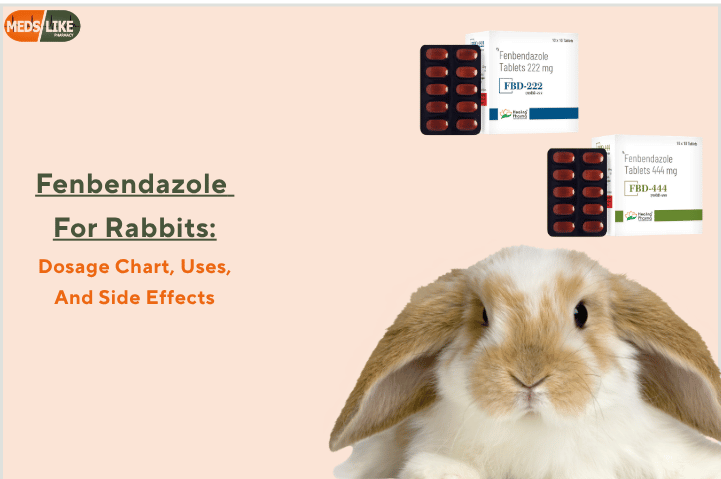
Fenbendazole is an antiparasitic medication commonly used in rabbits to help prevent and manage certain parasitic infections. It belongs to the benzimidazole family and works by interfering with essential processes inside susceptible parasites. Veterinarians may prescribe it for infections caused by intestinal worms and Encephalitozoon cuniculi (E. cuniculi), a microscopic organism associated with neurological and kidney problems in rabbits.
Pet owners researching rabbit medications can visit medslike.com to explore medication-related information and learn about available treatment options. However, choosing the correct fenbendazole product and dosage is important because rabbits have specific medical requirements. Always consult a rabbit-experienced veterinarian before starting treatment, even if your rabbit appears healthy.
What Is Fenbendazole Used for in Rabbits?
Fenbendazole is a broad-spectrum antiparasitic medication that helps control certain internal parasites. It is commonly used in veterinary medicine because of its activity against several types of worms and susceptible microscopic parasites.
Some conditions for which veterinarians may prescribe fenbendazole include:
-
E. cuniculi infection: A microscopic parasitic infection that can affect the brain, kidneys, and eyes.
-
Roundworm infections: Certain intestinal worms can affect digestion and overall health.
-
Pinworm infections: These parasites may cause irritation and digestive discomfort.
-
Other susceptible nematode infections: Fenbendazole may help eliminate certain gastrointestinal worms.
It is important to understand that fenbendazole does not treat every parasitic infection. For example, rabbit coccidiosis generally requires a different treatment approach.
How Does Fenbendazole Work in Rabbits?
Fenbendazole works by interfering with microtubule formation inside susceptible parasites. Microtubules are essential structures involved in cellular functions and nutrient absorption.
When the medication disrupts these processes, parasites lose their ability to absorb nutrients and maintain normal cellular activity. This eventually affects their survival and allows the infection to be controlled.
For E. cuniculi, fenbendazole interferes with parasite activity and replication. However, treatment may not reverse damage that has already occurred in the rabbit's organs or nervous system.
Fenbendazole for Rabbits Dosage by Weight
The appropriate fenbendazole dosage depends on the parasite being treated, the rabbit's body weight, and its overall health.
A commonly referenced veterinary regimen for E. cuniculi is 20 mg/kg orally once daily for 28 days. This should only be administered under veterinary direction.
The following chart illustrates the amount corresponding to this regimen:
| Rabbit Weight | Illustrative Amount per Dose |
|---|---|
| 0.5 kg | 10 mg |
| 1 kg | 20 mg |
| 1.5 kg | 30 mg |
| 2 kg | 40 mg |
| 2.5 kg | 50 mg |
| 3 kg | 60 mg |
| 3.5 kg | 70 mg |
| 4 kg | 80 mg |
| 4.5 kg | 90 mg |
| 5 kg | 100 mg |
Important dosage information: These figures represent milligrams of fenbendazole, not millilitres of liquid medication. Product concentrations vary, so the required volume must be calculated using the specific product's concentration. Other infections may require different treatment schedules. Never use this chart as a substitute for a veterinarian's prescription.
Benefits of Fenbendazole for Rabbits
When appropriately prescribed, fenbendazole can offer several benefits for rabbit parasite management.
1. Helps control susceptible parasites
It can help eliminate certain intestinal worms and manage E. cuniculi infections.
2. Supports parasite management
By interfering with parasite survival and replication, fenbendazole helps control specific parasitic infections.
3. Convenient oral administration
Many veterinary formulations are available as oral suspensions, pastes, or granules, making administration easier.
4. Established veterinary use
Fenbendazole has been used in rabbit medicine for years, with published research supporting its role in managing E. cuniculi.
Possible Side Effects of Fenbendazole in Rabbits
Fenbendazole is generally tolerated when prescribed appropriately, but adverse reactions can occur.
Possible side effects include:
-
Reduced appetite
-
Digestive discomfort
-
Diarrhoea
-
Vomiting-like symptoms or changes in feeding behaviour
-
Lethargy
-
Changes in normal activity
One particularly important concern is bone marrow suppression, which can lead to serious blood-cell abnormalities. This risk is associated with benzimidazole treatment, particularly inappropriate or prolonged dosing.
Veterinarians may recommend complete blood count (CBC) monitoring during treatment, especially when longer courses are required.
Contact your veterinarian if your rabbit stops eating, produces fewer droppings, becomes unusually weak, or develops other concerning symptoms. Rabbits that stop eating require prompt veterinary attention.
How to Give Fenbendazole to Rabbits Safely
Proper administration helps improve treatment accuracy and reduces the risk of medication errors.
Follow these precautions:
-
Check body weight: Weigh your rabbit accurately before treatment.
-
Confirm the formulation: Check the medication concentration and prescribed amount.
-
Use an oral syringe: Measure liquid medication carefully when prescribed.
-
Follow the treatment schedule: Administer medication at the recommended frequency.
-
Monitor behaviour: Observe appetite, droppings, activity, and general health.
-
Attend follow-up appointments: Your veterinarian may recommend blood tests or additional diagnostic examinations.
Do not increase the dose or extend treatment without professional advice.
Precautions Before Using Fenbendazole
Before administering fenbendazole, discuss your rabbit's health history with a veterinarian.
Special attention is necessary for:
-
Pregnant or breeding rabbits
-
Young rabbits
-
Rabbits with existing liver or kidney problems
-
Rabbits receiving other medications
-
Animals requiring prolonged treatment
Good hygiene is also important when managing E. cuniculi. Clean litter trays regularly, remove contaminated urine and bedding, and disinfect suitable surfaces according to veterinary recommendations.
Frequently Asked Questions
1. What is fenbendazole used for in rabbits?
Fenbendazole is used to manage certain parasitic infections, including E. cuniculi and susceptible intestinal worm infections. A veterinarian should confirm the diagnosis and treatment plan.
2. How much fenbendazole should I give my rabbit?
A commonly referenced regimen for E. cuniculi is 20 mg/kg orally once daily for 28 days. However, the correct treatment depends on the infection and individual rabbit.
3. Can fenbendazole treat E. cuniculi in rabbits?
Yes. Fenbendazole is commonly used to manage E. cuniculi infections. It may help control parasite activity, but it cannot guarantee reversal of existing neurological or organ damage.
4. Is fenbendazole safe for baby rabbits?
It may be prescribed in certain circumstances, but young rabbits require individual veterinary assessment. Age, body weight, and health status must be considered.
5. Can fenbendazole cause side effects in rabbits?
Yes. Possible reactions include reduced appetite and digestive problems. More serious concerns include bone marrow suppression, particularly with inappropriate or prolonged treatment.
Conclusion
Fenbendazole is an important veterinary antiparasitic medication used to manage certain parasitic infections in rabbits. Its role in controlling E. cuniculi and susceptible intestinal worms makes it a valuable treatment option when prescribed appropriately. Understanding fenbendazole for rabbits dosage, administration, potential side effects, and safety precautions can help pet owners make informed decisions. Always consult a rabbit-experienced veterinarian before treatment, follow the prescribed schedule, and monitor your rabbit's health throughout the course.
 Italiano
 English
 Arabic
 French
 Spanish
 Portuguese
 Deutsch
 Turkish
 Dutch
 Russian
 Romaian
 Portuguese (Brazil)
 Greek