


How Real Estate Tokenization Is Creating New Opportunities in Property Investment
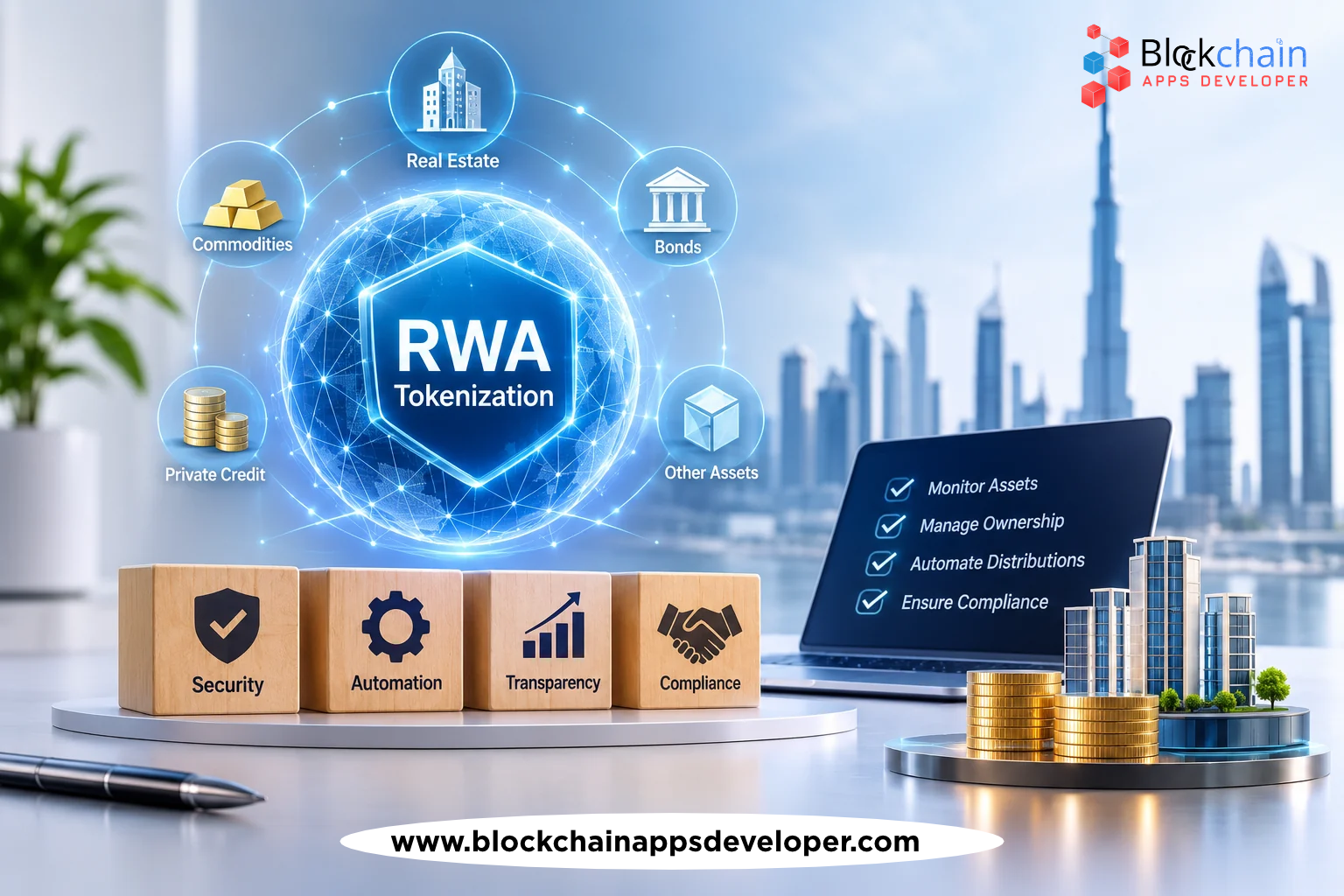
The real estate industry is gradually exploring new ways to manage property investments, ownership records, and financial transactions. Traditional property investment often involves significant capital, lengthy documentation, and several intermediaries. These requirements can make property transactions complex for investors and property businesses.
Blockchain technology is introducing an alternative approach through real estate tokenization. By representing eligible property-related investment interests as digital tokens, businesses can explore new investment structures, improve transaction records, and simplify selected asset management activities.
Understanding Real Estate Tokenization
Real estate tokenization is the process of representing property ownership interests or investment rights as digital tokens on a blockchain network.
For example, a commercial property may be held through a legally established company. Digital tokens can represent defined interests in that company or its investment returns. Eligible investors may then acquire these tokens according to the offering terms and applicable regulations.
The tokens do not automatically provide direct ownership of the physical property. Their legal meaning depends on the underlying agreements and the structure used to hold the asset.
How Blockchain Supports Property Investment
Blockchain provides a shared digital record of transactions. This can help property businesses organize investment information and maintain a traceable history of approved activities.
Some important applications include:
Transparent transaction records: Blockchain can maintain time-stamped records of token transfers and other approved transactions, helping authorized participants review activity.
Fractional investment structures: Eligible property interests can be divided into smaller digital units, allowing investment opportunities to be structured for different investor groups.
Automated processes: Smart contracts can execute predefined instructions for token issuance, approved transfers, and selected payment activities.
Digital asset management: Property businesses can use digital platforms to organize investor records, financial information, and asset-related updates.
These capabilities can improve selected workflows, although legal verification and traditional property registration requirements remain important.
The Role of Smart Contracts in Property Tokenization
Smart contracts are blockchain-based programs that execute predefined instructions when specified conditions are met.
In a property investment platform, they can support token issuance, transfer restrictions, investor eligibility rules, and payment distribution. For example, a smart contract may allow a token transfer only after the required investor verification and approval steps have been completed.
However, smart contracts need careful planning and security testing. Their rules must also match the legal agreements governing the investment.
What Businesses Need to Build an RWA Platform
A real-world asset tokenization platform requires more than a digital token. It needs a combination of blockchain infrastructure, asset information, investor management, and compliance-related functions.
A typical platform may include:
-
Asset management: Organizes property details, ownership-related documents, and supporting information.
-
Token issuance: Creates digital tokens representing defined investment interests.
-
Investor onboarding: Supports identity verification and eligibility checks.
-
Smart contract integration: Automates approved transactions and platform rules.
-
Investor dashboard: Provides access to permitted investment information and activity records.
-
Transaction management: Tracks token transfers and other platform operations.
-
Compliance controls: Applies relevant restrictions based on the asset structure and jurisdiction.
Businesses planning such solutions can explore RWA tokenization platform development to understand the technical components involved in creating a platform for digital asset issuance and management.
Challenges Businesses Should Consider
Although tokenization offers new possibilities, several practical considerations influence its implementation.
Legal structure: Businesses must define what each token represents and how investor rights are established.
Regulatory compliance: Tokenized property interests may be subject to securities, financial, property, and investment regulations, depending on the jurisdiction.
Data accuracy: Property valuations, ownership information, and financial records need reliable verification.
Platform security: Smart contracts, wallets, user accounts, and connected systems require appropriate security measures.
Market liquidity: Creating digital tokens does not guarantee that investors can sell them whenever they choose. Secondary market access depends on demand, platform arrangements, and applicable rules.
Addressing these considerations early can help businesses plan more practical and reliable tokenization solutions.
The Future of Blockchain in Real Estate
Real estate tokenization may continue to develop as businesses explore digital investment infrastructure and institutional participation. Improvements in blockchain interoperability, investor management, compliance tools, and asset reporting could influence how these platforms operate.
The long-term value of tokenization will depend on more than the technology itself. Clear ownership arrangements, investor protection, reliable asset information, and suitable regulations will remain essential.
For property businesses, the opportunity lies in combining established real estate practices with digital infrastructure that supports transparent and organized investment management.
 Portuguese
 English
 Arabic
 French
 Spanish
 Deutsch
 Turkish
 Dutch
 Italiano
 Russian
 Romaian
 Portuguese (Brazil)
 Greek