


Find Hidden Moisture Problems Before They Grow
Understanding Hidden Moisture Problems in Residential Properties
Water damage is not always easy to recognize. While dripping pipes, wet floors, and visible ceiling stains are obvious warning signs, many moisture problems develop behind walls, beneath flooring, or above ceilings without immediately noticeable symptoms. Over time, hidden leaks can contribute to damaged building materials, unpleasant odors, mold growth, and expensive repairs. For homeowners and prospective buyers in Southwest Florida, understanding these risks is especially important because humidity, heavy rainfall, and plumbing issues can affect residential properties throughout the year. Modern inspection methods can provide additional information about areas that deserve attention. Identifying possible moisture concerns early allows property owners to investigate problems before they become more extensive.
Why Early Leak Detection Matters
Even a relatively small leak can create significant problems when it continues unnoticed. Water may gradually weaken drywall, damage insulation, affect wooden framing, and deteriorate flooring materials. Moisture trapped inside enclosed spaces can also create conditions that encourage microbial growth. These problems may remain hidden until discoloration, bubbling paint, warped surfaces, or musty odors appear. Early detection is valuable because it allows homeowners to investigate suspicious areas and arrange appropriate repairs. Regular property evaluations can also help identify signs of previous water damage that may require additional attention.
How Thermal Imaging Technology Works
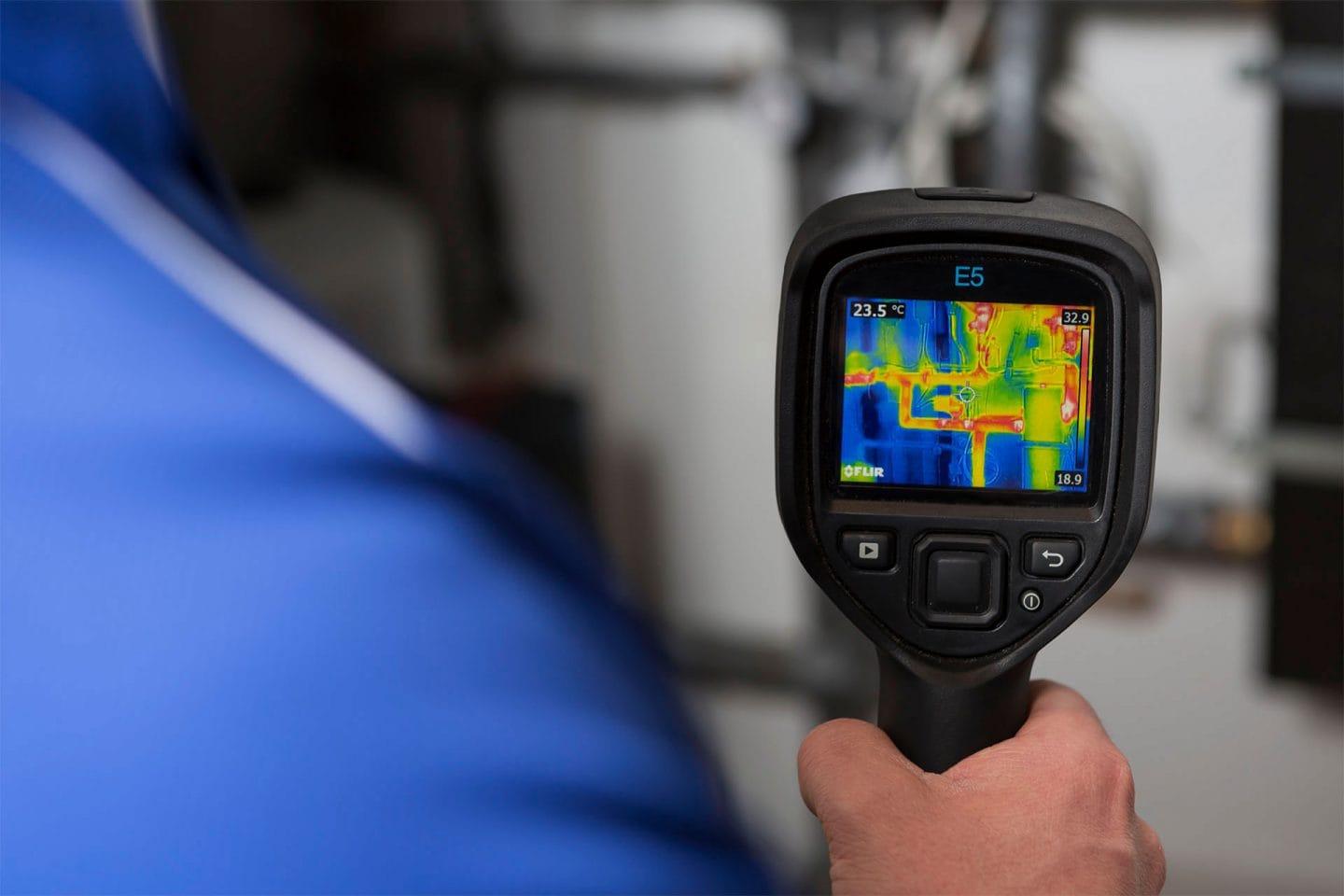
Thermal imaging cameras detect differences in surface temperatures and display them as visual patterns. During a property evaluation, an inspector may use this technology to examine walls, ceilings, floors, and other accessible surfaces for unusual temperature variations. Moisture can sometimes influence surface temperatures through evaporation or changes in heat transfer, creating patterns that deserve further investigation. However, thermal cameras do not directly see through walls or measure moisture content. Temperature differences can also result from insulation gaps, air movement, electrical components, or other conditions. Understanding these limitations is essential when interpreting thermal images correctly.
Identifying Potential Leaks Behind Walls
One of the most challenging aspects of residential leak detection is locating problems hidden behind finished surfaces. Plumbing lines often run through walls and floors, making it difficult to recognize a developing issue through ordinary visual observation. Thermal imaging may help identify unusual temperature patterns near bathrooms, kitchens, laundry areas, and other locations containing plumbing fixtures. These patterns can guide further investigation and help narrow down areas of concern. If suspicious conditions are discovered, additional moisture measurements or specialized plumbing tests may be recommended to determine whether an active leak is present.
The Benefits of Professional Imaging Assessments
A professional Thermal Imaging Leak Detection Punta Gorda FL assessment can provide useful information when homeowners suspect hidden moisture or want a closer evaluation of certain building areas. Thermal imaging is particularly helpful as a supplementary inspection method because it allows inspectors to examine temperature variations across larger surfaces without immediately opening walls or removing flooring. It may help identify areas requiring closer attention around plumbing fixtures, ceilings, windows, and exterior walls. The results should always be interpreted alongside visible observations and other appropriate testing methods. This combination provides a more reliable understanding of potential moisture-related concerns.
Recognizing Water Intrusion Around Windows and Roofs
Leaks do not always originate from plumbing systems. Damaged roofing materials, deteriorated flashing, improperly sealed windows, and exterior drainage problems can also allow water to enter a home. In Punta Gorda, heavy rainfall and strong storms make these areas particularly important to evaluate. Moisture may travel along framing members or accumulate in concealed spaces before becoming visible indoors. Thermal imaging can sometimes reveal temperature patterns associated with these conditions, helping identify locations that may require further investigation. Checking exterior surfaces and accessible interior areas together can provide a more complete understanding of possible water intrusion.
Why Additional Moisture Testing Is Important
Thermal imaging is a valuable tool, but it should not be treated as proof of a leak on its own. An unusual temperature pattern indicates an area that may deserve additional evaluation, not necessarily confirmed moisture damage. Inspectors may use moisture meters or recommend specialized testing to verify suspicious findings. Plumbing professionals may also need to perform pressure testing or other diagnostic procedures when an active pipe leak is suspected. Combining appropriate methods helps reduce uncertainty and supports more accurate conclusions. Homeowners should understand the difference between identifying a potential problem and confirming its exact source.
Choosing a Professional Inspection Service
Working with an experienced Home Inspection Punta Gorda FL professional can help property owners understand the condition of important residential components. A thorough inspection may include accessible plumbing fixtures, visible roofing conditions, interior surfaces, windows, ceilings, and other areas where moisture problems can develop. When thermal imaging is appropriate, it can provide additional information that supports the overall evaluation. Clear reporting is equally important. Homeowners should receive understandable explanations of observed conditions, potential concerns, and recommendations for further assessment when necessary. This information helps them prioritize repairs and make informed maintenance decisions.
Protect Your Property Through Preventive Maintenance
Preventing extensive water damage requires regular attention to the home's plumbing, roofing, drainage, and exterior surfaces. Homeowners should monitor water bills for unexpected increases, inspect visible plumbing connections, maintain roof drainage systems, and address damaged seals around windows and doors. Musty smells, unexplained stains, and changes in flooring or wall surfaces should never be ignored. Scheduling an inspection when concerns arise can help identify conditions that might otherwise remain unnoticed. Keeping maintenance records also makes it easier to track recurring problems and evaluate whether previous repairs have been effective.
Make Informed Decisions About Your Property
Hidden moisture problems can affect a home's comfort, condition, and long-term value. Thermal imaging offers an additional way to investigate unusual temperature patterns and identify areas that may need further evaluation. When combined with traditional inspection methods and appropriate moisture testing, it can help provide a clearer picture of potential water-related concerns. Whether maintaining an existing residence or evaluating a property before purchase, understanding possible hidden leaks is an important part of responsible homeownership. Taking action early can help prevent avoidable damage and support a safer, better-maintained living environment.
 Dutch
 English
 Arabic
 French
 Spanish
 Portuguese
 Deutsch
 Turkish
 Italiano
 Russian
 Romaian
 Portuguese (Brazil)
 Greek