


Learn to Drive an Automatic Car With Confidence and Control
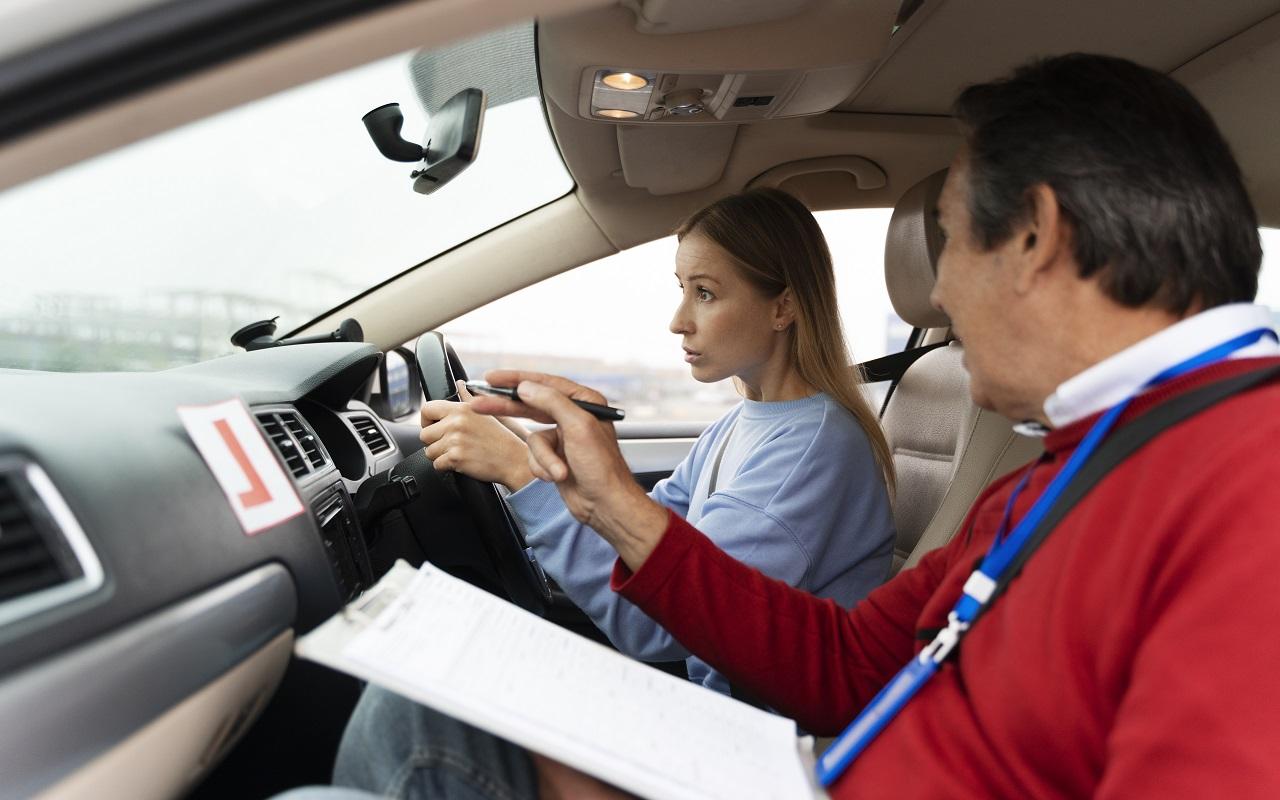
Learning to drive can feel challenging when you are unfamiliar with vehicle controls, traffic rules, and road conditions. For beginners, an automatic car can make the early stages easier because there is no manual clutch pedal or need to change gears while driving. However, drivers still need to understand steering, braking, acceleration, observation, and safe decision-making. Automatic car driving lessons help learners become familiar with these skills through guided practice and clear instructions. With enough time behind the wheel, beginners can develop better vehicle control, understand traffic situations, and gain the confidence needed to drive independently.
Understanding How Automatic Cars Work
An automatic vehicle changes gears without requiring the driver to operate a clutch or manually select each gear while moving. This allows learners to focus more on steering, speed control, and observing the road. Before starting, beginners should understand the main gear positions, including Park, Reverse, Neutral, and Drive. They should also learn how the accelerator and brake pedals work and why both feet should not be used carelessly. Automatic car driving lessons introduce these controls before learners begin driving on public roads. Understanding the vehicle's basic operation helps prevent confusion and makes early practice more manageable.
Learning the Correct Driving Position
A comfortable and safe driving position helps drivers maintain control and react properly. Beginners should adjust the seat so they can reach the pedals without stretching or sitting too close to the steering wheel. Mirrors should provide a clear view of surrounding traffic, while the steering wheel should be positioned for comfortable handling. Seat belts must always be fastened before the vehicle moves. During automatic car driving lessons in Fairfax, learners are shown how to prepare the vehicle before starting the engine. These simple checks create good habits and help drivers feel more settled before entering traffic.
Practicing Starting and Stopping Smoothly
Starting and stopping are among the first practical skills new drivers need to master. In an automatic car, the driver usually keeps the brake pedal pressed while selecting Drive before moving forward. The vehicle may begin to creep slowly once the brake is released, so learners must understand how to control this movement. Smooth acceleration and gradual braking help maintain comfort and reduce sudden movements. Automatic car driving lessons provide opportunities to practice these actions in a quiet and suitable area. Repeating the process helps beginners understand how the vehicle responds and improves coordination between the pedals.
Developing Steering and Lane Control
Steering requires more than turning the wheel in the direction a driver wants to travel. Learners need to maintain their position within the lane, follow bends smoothly, and make controlled adjustments when the road changes direction. Sudden steering movements can affect vehicle stability and create risks for nearby road users. Beginners should practice turning at different speeds and understand how much steering input is needed for each movement. Automatic car driving lessons help students develop these skills through supervised exercises. Consistent practice makes steering feel more natural and helps learners maintain better control on different types of roads.
Understanding Traffic Signs and Road Rules
Driving an automatic vehicle does not remove the responsibility to follow traffic laws. Drivers must understand road signs, speed limits, traffic signals, lane markings, pedestrian crossings, and right-of-way rules. They also need to know when to stop, give way, or wait before entering an intersection. Learning these rules helps prevent dangerous decisions and makes driving more predictable for everyone. Automatic car driving lessons should combine practical road experience with explanations of important traffic regulations. When learners understand why a rule exists, they are more likely to apply it correctly during everyday journeys.
Learning Parking and Reversing Techniques
Parking and reversing require careful observation and accurate control, even when the vehicle has an automatic transmission. Beginners should learn how to select Reverse safely, check mirrors, observe blind spots, and move slowly while adjusting the steering wheel. They should also practice entering and leaving parking spaces without rushing. Starting in an open area gives learners enough room to understand the vehicle's movement. Automatic car driving lessons can include parallel parking, reversing into a space, and parking on different sides of the road where appropriate. Repeated practice helps improve distance judgment and reduces uncertainty during low-speed maneuvers.
Building Confidence in Busy Traffic
Driving through busy streets can be difficult because several things may happen at once. Learners need to watch nearby vehicles, respond to traffic signals, notice pedestrians, and maintain a safe distance from the vehicle ahead. They should also understand how to change lanes and approach intersections without rushing. Beginning on quieter roads allows students to develop basic skills before facing more demanding conditions. Automatic car driving lessons provide supervised experience that helps beginners progress gradually. With clear guidance and repeated practice, learners can improve their awareness and become more comfortable making decisions in changing traffic.
Avoiding Common Mistakes in Automatic Cars
Automatic vehicles are often easier to operate, but beginners can still develop unsafe habits. Some may confuse gear positions, select Reverse before the vehicle has fully stopped, or rely too heavily on the accelerator. Others may forget to check mirrors, maintain enough following distance, or observe pedestrians before moving. Drivers should avoid resting a foot on the brake unnecessarily and should never use the gear selector as a substitute for proper braking. Automatic car driving lessons help identify these mistakes early and explain how to correct them. Developing careful habits from the beginning can make driving safer and more comfortable.
Preparing for the Driving Test
Learners who want to obtain a license should understand the testing requirements in their area. These may include minimum age rules, required documents, written assessments, and a practical driving examination. The practical test may involve starting and stopping, turning, parking, reversing, following road signs, and demonstrating safe observation. Automatic car driving lessons can help learners practice these activities and identify skills that need additional attention. Students should also confirm whether their licensing authority issues a license restricted to automatic vehicles. Understanding local requirements before the test can prevent confusion and help learners prepare properly.
Learning to drive an automatic vehicle can be a practical way to develop independence and improve everyday mobility. However, removing the need for manual gear changes does not remove the need for attention, patience, and responsible driving habits. Automatic car driving lessons help beginners understand vehicle controls, improve steering, practice parking, and learn how to respond safely to traffic. Regular supervised practice allows students to build confidence while correcting mistakes before they become habits. With a steady approach and a strong focus on road safety, new drivers can become better prepared for their driving test and future journeys.
 Spanish
 English
 Arabic
 French
 Portuguese
 Deutsch
 Turkish
 Dutch
 Italiano
 Russian
 Romaian
 Portuguese (Brazil)
 Greek