


Can Mineral Deposits Affect Deep Well Pump Performance?
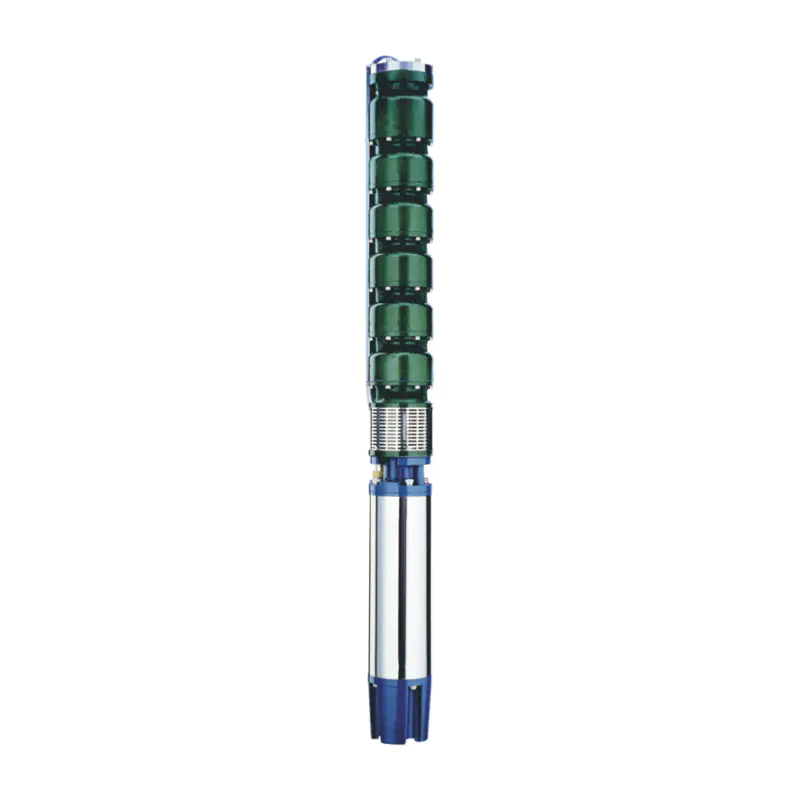
Water drawn from underground sources is not always chemically consistent. Even wells located relatively close to each other can have different mineral concentrations because groundwater passes through different geological formations before reaching the well. These differences may influence the materials used in pumping equipment and the conditions under which it operates. A Multistage Deep Well Submersible Electric Pump therefore needs to be considered in relation to the actual water source rather than simply the required pumping capacity.
One common issue is mineral accumulation. Groundwater may contain dissolved calcium, magnesium and other minerals that can form deposits when water conditions change. These deposits may gradually collect on internal surfaces, including impellers and water passages. As accumulation increases, the available space for water movement can become restricted.
The effect is not necessarily immediate. A pump may continue operating while deposits develop gradually inside the hydraulic components. Over time, however, changes in the internal passages can influence flow conditions and overall pumping performance. This is one reason groundwater composition deserves attention during equipment selection and maintenance planning.
Salinity introduces a different material consideration. Wells located near coastal areas may contain higher concentrations of dissolved salts. Chloride-containing water can be particularly challenging for certain stainless steel grades because it may contribute to localized corrosion under suitable conditions.
Stainless steel is commonly used in deep well pumping equipment, but the term covers several material grades with different corrosion characteristics. Selecting a suitable grade requires consideration of the actual water chemistry, including salt concentration and other dissolved substances. Simply identifying a pump as stainless steel does not establish its suitability for every groundwater source.
For a Multistage Deep Well Submersible Electric Pump, the material selection process should consider the components exposed to the water. Pump bodies, impellers and other wetted parts may require different material properties depending on their function and the surrounding conditions.
Suspended particles create another challenge. Fine sand, silt and other abrasive materials can enter the pumping system along with groundwater. As water moves through the internal passages, these particles may repeatedly contact the impellers and guide vanes. This can gradually affect surface conditions and component dimensions.
The number of hydraulic stages makes internal wear an important consideration. In a multistage arrangement, water passes through several impeller and guide-vane sections. Each stage contributes to the overall pressure increase, so the condition of these components matters to the performance of the complete pump.
Water analysis helps distinguish between these different problems. Measurements of pH, dissolved mineral content, electrical conductivity and suspended solids provide useful information about the source. Depending on the well conditions, filtration or other water treatment arrangements may also be considered to reduce the amount of abrasive material entering the equipment.
OUMAN's 4SP/6SP stainless steel deep well pump series is intended for applications involving water conditions such as salinity, slight acidity and scaling. Its material configuration addresses a different set of requirements from pumps primarily used for large-volume irrigation. The suitability of any particular configuration still depends on the actual water composition and operating conditions.
An Multistage Deep Well Submersible Electric Pump should not be evaluated through corrosion resistance alone. Mineral deposits, abrasive particles and chemical conditions can affect different parts of the pumping system in different ways. Understanding these factors helps create a more complete picture of the demands placed on deep well equipment.
Groundwater quality is therefore part of the equipment's operating environment, not simply a characteristic of the water being delivered. When mineral content, salinity and suspended particles are properly understood, pump construction and maintenance arrangements can be considered with greater accuracy.
 Deutsch
 English
 Arabic
 French
 Spanish
 Portuguese
 Turkish
 Dutch
 Italiano
 Russian
 Romaian
 Portuguese (Brazil)
 Greek