


7 Factors to Consider When Planning a Commercial Painting Project
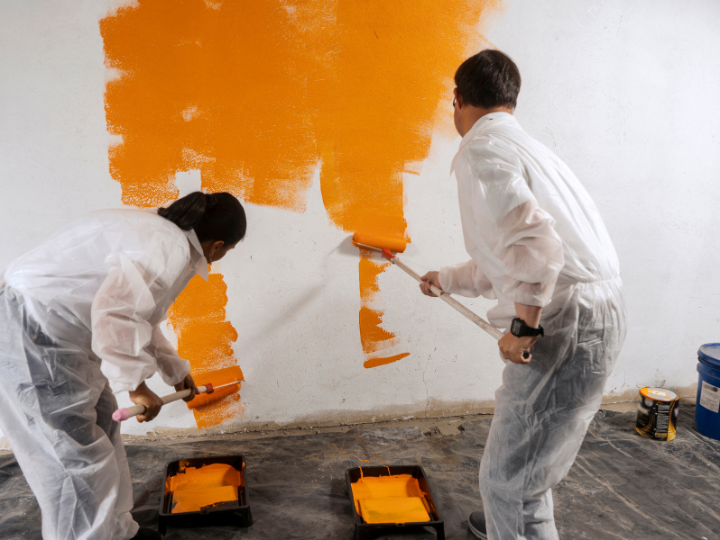
Planning a commercial painting project requires careful consideration to achieve a professional finish, maintain workplace functionality and ensure the property looks presentable. From selecting suitable paint to organising the work schedule, every detail matters. Professional commercial painting requires a clear plan that considers the building's condition, intended use and maintenance requirements. Understanding the important factors beforehand can help property owners and business managers make informed decisions.
1. Assess the Building's Current Condition
Before starting any painting work, inspect the property's existing surfaces. Walls, ceilings, doors and other areas may have cracks, peeling paint, stains or moisture damage that needs attention.
Identify Necessary Repairs
Addressing surface problems before applying fresh paint helps achieve a smoother and more consistent finish. A thorough inspection also helps determine the preparation work required for different areas of the building.
2. Choose Suitable Paint Products
Different commercial environments have different painting requirements. Offices, retail spaces, warehouses and hospitality premises experience varying levels of daily activity.
Consider Durability and Finish
Select paint products based on the surface material, expected wear and cleaning requirements. Washable finishes may be suitable for busy interior spaces, while exterior products should be selected to withstand changing weather conditions.
3. Establish a Realistic Project Schedule
Painting work can affect everyday business operations, particularly in buildings that remain occupied throughout the week. Planning the schedule carefully helps minimise interruptions.
Coordinate Work Around Business Hours
Consider arranging painting activities outside regular operating hours or during quieter business periods. Allow sufficient time for surface preparation, painting, drying and final inspections to prevent unnecessary delays.
4. Set a Clear Project Budget
A well-planned budget helps businesses manage expenses and avoid unexpected financial pressure during the project.
Account for All Requirements
Consider labour, paint products, equipment, surface preparation, repairs and additional finishing work. It is also sensible to allow some flexibility for unexpected issues discovered during the initial inspection.
5. Prioritise Safety and Accessibility
Commercial painting projects often involve ladders, scaffolding, equipment and areas used by employees or visitors. Safety should remain a priority throughout the process.
Maintain a Safe Work Environment
Establish clear work zones, display appropriate warning signs and restrict access to areas where painting is underway. Proper ventilation and suitable protective equipment are also important considerations, particularly for indoor projects.
6. Select Experienced Painting Professionals
The quality of the finished project depends significantly on the skills and experience of the painting team.
Review Previous Work
Look for professionals with experience handling commercial properties and different surface types. Discuss project expectations, timelines, preparation methods and the proposed scope of work before making a decision.
7. Plan for Ongoing Maintenance
Completing the painting project is only one part of maintaining a professional-looking commercial property. Regular inspections and timely touch-ups can help preserve the appearance of painted surfaces.
Develop a Maintenance Routine
Check high-traffic areas for scratches, stains, peeling paint and general wear. Keeping records of paint colours and product details can also make future maintenance and repainting work easier to organise.
Frequently Asked Questions
1. How Long Does a Commercial Painting Project Take?
The duration depends on the building's size, surface condition, preparation requirements and number of painting areas involved.
2. Why Is Surface Preparation Important?
Surface preparation removes imperfections, improves paint adhesion and helps create a consistent finish across different surfaces.
3. Can Commercial Painting Be Completed Outside Business Hours?
Yes. Scheduling work during evenings, weekends or quieter operating periods can help reduce disruption to employees and customers.
4. How Do Businesses Choose the Right Paint Finish?
The choice depends on the surface, level of activity, cleaning frequency and desired appearance. Professional advice can help identify suitable products.
5. How Often Should Commercial Buildings Be Repainted?
There is no fixed timeframe. Repainting frequency depends on surface condition, environmental exposure, building usage and the quality of previous painting work.

 English
 French
 Spanish
 Portuguese
 Deutsch
 Turkish
 Dutch
 Italiano
 Russian
 Romaian
 Portuguese (Brazil)
 Greek