


Laser Cleaning Machine: Modern Solutions for Industrial Surface Cleaning
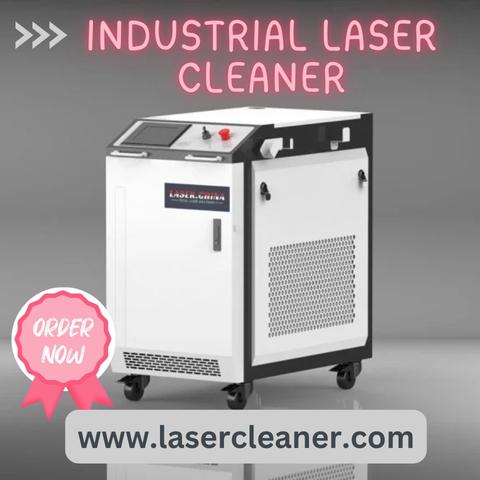
Industrial cleaning plays an important role in maintaining product quality, improving manufacturing efficiency, and preparing surfaces for further processing. Traditional cleaning methods often involve chemicals, abrasive materials, or manual labor. Today, laser technology offers a modern approach that helps businesses handle different surface-cleaning requirements with greater precision and control.
A laser cleaning machine uses a concentrated laser beam to remove unwanted materials such as rust, paint, oil, oxide layers, and other surface contaminants. This technology is becoming increasingly popular across manufacturing, automotive, aerospace, metalworking, and maintenance industries.
How Does Laser Cleaning Technology Work?
Laser cleaning works by directing controlled laser energy onto a contaminated surface. The unwanted material absorbs the laser energy and separates from the underlying surface through a process known as laser ablation.
The cleaning process can be adjusted according to the material, contamination type, and required cleaning depth. Operators can control parameters such as laser power, scanning speed, pulse frequency, and beam movement to achieve the desired results.
This makes laser technology suitable for different industrial applications, including metal surface preparation, rust removal, paint stripping, and oxide cleaning.
Applications Across Different Industries
Laser cleaning technology has a wide range of industrial applications. Its flexibility makes it useful for businesses working with different materials and manufacturing processes.
1. Metal Rust Removal
Metal components exposed to moisture and environmental conditions can develop rust over time. Laser cleaning helps remove corrosion from steel structures, metal sheets, machinery components, and industrial equipment before maintenance or further processing.
2. Paint and Coating Removal
Removing old paint and protective coatings is often necessary during equipment restoration and manufacturing. Laser technology can target unwanted coating layers while allowing operators to control the cleaning process.
3. Automotive Manufacturing
Automotive manufacturers use laser cleaning for preparing welding areas, removing surface contaminants, and cleaning metal components. Proper surface preparation helps create suitable conditions for subsequent manufacturing operations.
4. Mold and Equipment Maintenance
Industrial molds and production equipment can accumulate oil, carbon deposits, and other residues. Laser cleaning provides a controlled method for removing these contaminants and maintaining production tools.
5. Aerospace and Precision Engineering
Precision components require careful surface treatment. Laser cleaning can be used for removing contaminants from selected areas where controlled cleaning is important.
Choosing the Right Industrial Laser Cleaner
Selecting suitable equipment requires understanding the cleaning application and production requirements. Different machines are designed for different working environments and contamination levels.
Laser power is one of the main considerations. Lower-power systems may be suitable for light cleaning tasks, while higher-power equipment can support demanding industrial applications. Businesses should also consider whether a pulsed or continuous-wave laser system is more appropriate for their materials and cleaning requirements.
Other important considerations include scanning width, cooling system, operating controls, machine portability, and maintenance support. A reliable manufacturer should provide technical specifications, application guidance, operator training, and after-sales assistance.
Safe Operation and Maintenance
Proper operation is essential when working with industrial laser equipment. High-powered laser beams can cause serious eye and skin injuries, so operators must follow the manufacturer's safety instructions.
A suitable laser-controlled working area, appropriate wavelength-rated protective eyewear, safety interlocks, warning signs, and trained personnel are essential. Fume extraction and ventilation should also be provided because removing coatings, paints, or contaminants can release hazardous particles and fumes.
Regular inspection of optical components, cables, cooling systems, and protective equipment helps maintain consistent machine performance.
The Future of Laser Surface Cleaning
As manufacturing industries continue to adopt advanced technologies, laser-based surface treatment is becoming an important part of modern production environments. Businesses are increasingly interested in automated cleaning systems, robotic integration, and customized solutions for complex industrial applications.
Manufacturers are also developing equipment with improved control systems and flexible configurations to meet different production requirements. These developments are creating new opportunities for companies seeking modern approaches to surface preparation and equipment maintenance.
Final Thoughts
Laser technology is changing how industries approach surface preparation, rust removal, paint stripping, and equipment maintenance. A suitable laser cleaning machine can support a wide range of industrial operations when selected according to the material, contamination type, and production requirements. By investing in appropriate equipment, proper operator training, and regular maintenance, businesses can incorporate modern laser cleaning processes into their manufacturing and maintenance operations.
Noms d’utilisateur réservés
 French
 English
 Arabic
 Spanish
 Portuguese
 Deutsch
 Turkish
 Dutch
 Italiano
 Russian
 Romaian
 Portuguese (Brazil)
 Greek