


Suit Heat Transfer Machine in Modern Garment Processing
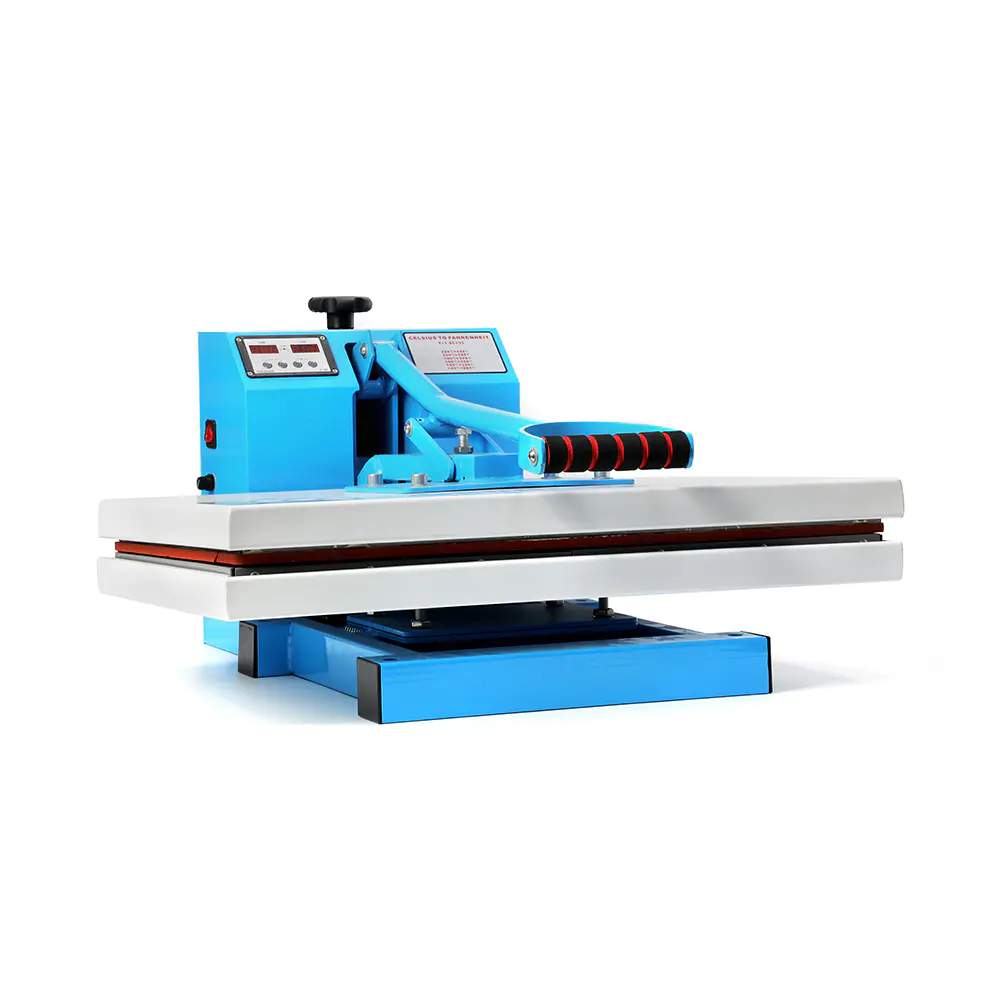
A Suit Heat Transfer Machine is used for fabric operations that rely on controlled heat and pressure. In suit production, these operations may take place before the main garment pieces are assembled. Collars, lapels and other sections sometimes require additional materials to help maintain their intended shape. Heat pressing provides a practical way to join compatible layers before they move to the next production stage.
Interfacing is one example. It is commonly applied to selected areas of a suit to give the fabric additional structure. The bonding process depends on the properties of both the outer fabric and the interfacing material. Their heat tolerance, thickness and surface characteristics all influence the settings required. Operators need to follow the material specifications rather than assume that one temperature and pressure combination will suit every fabric.
Pressure is especially important when working with different fabric constructions. A lightweight lining, a woven outer fabric and a layered collar section do not respond identically to pressing. Too much pressure may leave unwanted marks or affect the surface, while insufficient contact may result in uneven bonding. Adjustable pressure allows operators to adapt the process to the material combination and the size of the fabric section.
Temperature and pressing duration must also work together. Heat transfer materials and bonding adhesives generally require specific conditions to achieve the intended result. If the pressing cycle ends too early, the bond or transfer may be incomplete. If the material remains under heat for too long, some fabrics or decorative elements may be affected. A digital time controller helps operators set a repeatable duration, while an alarm can indicate when the preset cycle has finished.
Beyond bonding interfacing, heat pressing can be used for selected decorative applications. Labels, lettering and logos may need to be transferred onto fabric as part of a garment's finishing details. Accurate positioning matters because even a correctly applied transfer can look uneven if it is placed incorrectly. Operators need to check the alignment of the garment section and transfer material before starting the pressing cycle.
The working surface is another consideration. A suitable pressing mat helps provide a consistent contact area between the heating plate and the material. Some heat transfer equipment uses silicone mats designed for elevated temperatures. The mat's temperature tolerance should be considered alongside the requirements of the fabric and transfer material, rather than treated as an indication that every process can run at the same setting.
The number of working stations can influence how the equipment fits into a production line. A single-station machine handles one pressing position at a time and may suit operations with limited space or a straightforward workflow. A double-station arrangement offers two working positions, allowing one section to be prepared while another is undergoing pressing. Whether this improves production flow depends on the operator's working method and the time required for each cycle.
Before choosing a Suit Heat Transfer Machine, garment manufacturers should consider the dimensions of the fabric pieces, the type of bonding or transfer work, the required pressure adjustment and the available workspace. Control functions and station layout should also match the actual production sequence.
Heat pressing is only one stage in suit manufacturing, but the quality of this stage can influence how prepared fabric components move into sewing and assembly. When material compatibility, positioning and operating conditions are considered together, the process becomes easier to manage across different garment sections.

 English
 Arabic
 French
 Spanish
 Portuguese
 Deutsch
 Dutch
 Italiano
 Russian
 Romaian
 Portuguese (Brazil)
 Greek