


Supporting Better Health Outcomes With Convenient Remote Patient Monitoring at Home
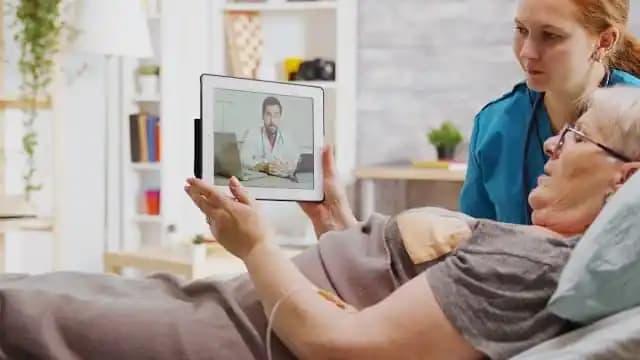
Healthcare increasingly focuses on helping individuals manage their health beyond traditional clinical settings. Regular monitoring can reveal important changes before symptoms become difficult to manage, allowing healthcare professionals to respond with appropriate guidance. Remote patient monitoring at home supports this approach by using connected medical devices and digital communication tools to collect health information while patients remain in familiar surroundings. This method can make ongoing care more convenient, improve communication, and help individuals participate actively in managing their medical conditions.
How Remote Patient Monitoring Works
Remote patient monitoring uses medical devices to collect health measurements and securely share relevant information with healthcare professionals. Depending on individual needs, these devices may measure blood pressure, blood glucose, heart rate, oxygen saturation, or body weight. Readings are transmitted through connected technology, allowing care teams to review changes over time. Patients generally follow a personalized monitoring schedule and receive instructions about using their equipment. This structured process helps healthcare professionals understand health patterns without requiring every measurement to take place during an in person appointment.
Benefits of Monitoring Health From Home
Monitoring health from home can reduce the inconvenience associated with frequent clinic visits, particularly for individuals managing long term conditions or mobility limitations. Regular measurements provide useful information about how the body responds to treatment, medication, and lifestyle changes. Healthcare professionals can use these observations to identify trends and recommend appropriate follow up when necessary. Home monitoring may also encourage patients to become more involved in daily health decisions. Consistent participation can strengthen communication between patients and providers while supporting more organized and informed healthcare management.
Supporting Patients With Chronic Health Conditions
People living with chronic conditions often require ongoing observation to maintain stable health and recognize potential complications. Conditions such as hypertension, diabetes, heart disease, and respiratory disorders may involve regular measurements and periodic treatment adjustments. Remote monitoring helps collect information between scheduled appointments, giving healthcare professionals a broader understanding of a patient's condition. This approach can complement chronic care management by supporting consistent observation, coordinated follow up, and personalized care planning. It does not replace medical evaluations, but it can strengthen the information available during ongoing treatment.
Improving Communication Between Patients and Healthcare Teams
Effective communication is essential when patients manage medical conditions outside a healthcare facility. Remote monitoring creates additional opportunities for healthcare professionals to review measurements and discuss changes with patients. When readings fall outside an established range, care teams may contact individuals for clarification or recommend further assessment. Patients can also share concerns about symptoms, medication routines, or difficulties using monitoring equipment. Clear communication helps prevent misunderstandings and supports informed decisions. Regular contact can make patients feel more connected to their healthcare team throughout the treatment process.
Encouraging Early Recognition of Health Changes
Some health conditions develop gradually, making small changes difficult to recognize without consistent observation. Regular monitoring can help identify unusual patterns in blood pressure, glucose levels, oxygen saturation, or weight. These measurements may provide useful signals that a condition requires closer attention. Healthcare professionals can review the information alongside symptoms, medical history, and other clinical findings. Early recognition does not guarantee that complications will be prevented, but it may help patients receive timely medical advice. Sudden or severe symptoms still require immediate medical attention rather than waiting for a monitoring response.
Making Post Hospital Recovery More Organized
The period following hospital discharge can involve medication changes, follow up appointments, activity restrictions, and continued observation. Patients recovering at home may benefit from structured monitoring that helps healthcare professionals understand their progress. Measurements such as blood pressure, heart rate, and oxygen levels can provide additional information when clinically appropriate. Remote monitoring can complement transitional care services by supporting communication during the move from hospital treatment to home based recovery. A clear discharge plan remains essential, including instructions about warning signs and when to seek urgent assistance.
Supporting Personalized Treatment and Care Planning
Every patient has different health needs, treatment goals, and daily routines. Remote monitoring provides repeated measurements that can help healthcare professionals evaluate whether an existing care plan remains appropriate. For example, consistent blood pressure readings may support discussions about medication effectiveness, while glucose measurements can help guide diabetes management. These findings should always be interpreted in the context of clinical assessments and individual circumstances. Personalized care planning can also involve at home primary care, allowing eligible patients to receive broader medical support while remaining in a comfortable home environment.
Technology and Devices Used for Home Monitoring
Different monitoring devices serve different clinical purposes, and the appropriate equipment depends on the patient's condition and healthcare provider recommendations. Digital blood pressure monitors, pulse oximeters, glucose meters, connected weighing scales, and wearable sensors are commonly used examples. Some systems automatically transmit readings, while others require patients or caregivers to enter measurements manually. Devices should be selected for accuracy, ease of use, and compatibility with the monitoring program. Patients need clear instructions about correct positioning, measurement timing, device maintenance, and reporting technical problems to avoid unreliable readings.
Protecting Patient Privacy and Data Security
Remote monitoring involves personal health information, making privacy and data protection important considerations. Healthcare providers and technology platforms should use appropriate safeguards to protect information during collection, storage, and transmission. Patients should understand what information is being collected, who can access it, and how it will be used in their care. Secure accounts, strong passwords, and responsible device use can provide additional protection. Before joining a monitoring program, individuals can ask about consent procedures, data sharing practices, technical support, and the steps available if they have privacy concerns.
Helping Older Adults and Caregivers Participate
Older adults and individuals with limited mobility may find regular healthcare visits challenging. Home monitoring can make certain health measurements easier to complete while reducing the need for unnecessary travel. Caregivers may also help patients operate devices, maintain measurement schedules, and communicate relevant concerns to healthcare professionals. However, monitoring should respect the patient's independence and preferences. Simple instructions, accessible equipment, and appropriate technical assistance can improve participation. When additional support is needed, senior care services may help coordinate broader healthcare needs and maintain continuity.
Combining Monitoring With Other Home Healthcare Services
Remote monitoring can be more effective when it forms part of a coordinated healthcare plan rather than functioning as an isolated technology. Patients may require medical assessments, medication reviews, rehabilitation, wound observation, or other forms of professional support. For individuals recovering from injuries or managing complex health needs, at home wound care may complement monitoring by providing appropriate assessment and treatment. Similarly, at home therapy can support rehabilitation goals when recommended by a qualified professional. The combination should reflect each patient's clinical needs.
Understanding the Limitations of Remote Monitoring
Although remote monitoring offers several advantages, it cannot identify every medical problem or replace direct examination when one is necessary. Devices may produce inaccurate readings because of incorrect use, poor connectivity, or equipment problems. Some conditions also require laboratory testing, imaging, physical examinations, or immediate treatment. Patients should follow their provider's instructions and avoid changing medication based only on device readings. A reliable monitoring program includes clear response procedures, regular clinical review, technical support, and guidance about symptoms that require emergency attention.
Conclusion
Remote patient monitoring can support more convenient healthcare by helping individuals track important health measurements and share information with their medical teams. Consistent monitoring may improve communication, support chronic condition management, and provide useful insights during recovery. Its success depends on suitable technology, patient participation, data security, and professional interpretation of results. When integrated with appropriate medical services, this approach can strengthen continuity of care and encourage informed health decisions. Life Medical supports accessible home based healthcare approaches that help patients receive coordinated attention while managing their health in familiar surroundings.
 Dutch
 English
 Arabic
 French
 Spanish
 Portuguese
 Deutsch
 Turkish
 Italiano
 Russian
 Romaian
 Portuguese (Brazil)
 Greek