


Testosterone Enanthate and Retatrutide: Uses, Mechanisms and Safety Profiles
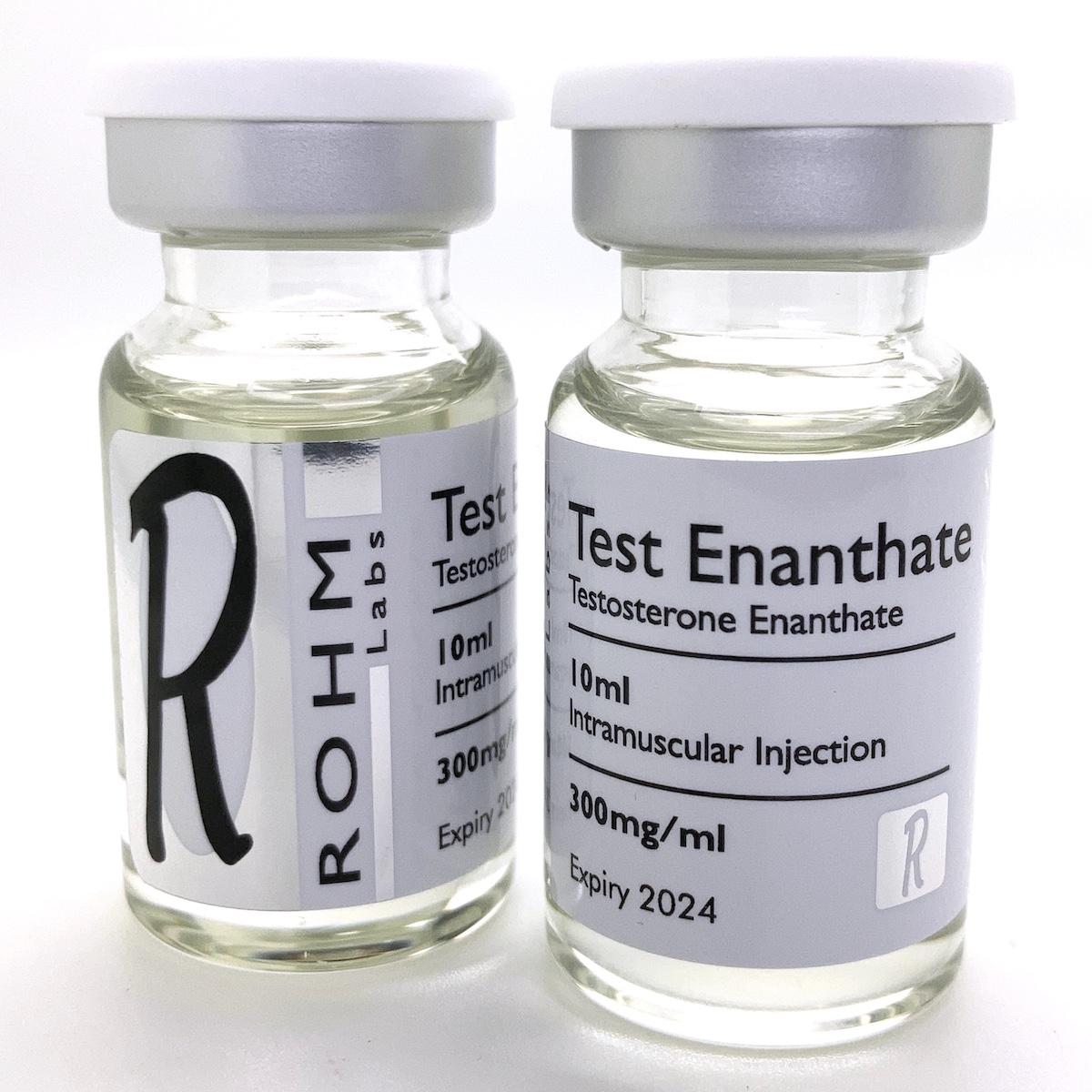
Testosterone Enanthate and Retatrutide are two compounds associated with different aspects of metabolic and hormonal health. Testosterone Enanthate is an androgen used in testosterone replacement therapy for men with clinically confirmed testosterone deficiency, whereas Retatrutide is an investigational medication being studied for its potential role in weight management and metabolic health. Although both compounds have attracted attention in medical and fitness-related discussions, they work through different biological pathways and have distinct safety considerations.
Understanding their mechanisms, potential applications, clinical evidence and associated risks is important before considering either compound. Products such as Testosterone Enanthate 300mg and Retatrutide 20MG should not be treated as interchangeable treatments or general-purpose wellness products. Their suitability depends on medical assessment, regulatory status and individual health requirements.
Understanding Testosterone Enanthate and Its Medical Applications
Testosterone Enanthate is a long-acting injectable form of testosterone, a naturally occurring androgen responsible for several important physiological functions. These include the development of male reproductive characteristics, maintenance of muscle mass, bone health, red blood cell production and sexual function.
In clinical practice, testosterone replacement therapy may be prescribed to adult men with hypogonadism, a condition in which the body produces insufficient testosterone. This deficiency can result from problems affecting the testes or the hypothalamic-pituitary system.
Common symptoms associated with low testosterone include:
-
Reduced sexual desire and changes in sexual function.
-
Persistent tiredness and reduced energy levels.
-
Decreased muscle mass and physical strength.
-
Reduced bone mineral density.
-
Changes in mood and concentration.
-
Reduced facial and body hair growth in some individuals.
Testosterone replacement aims to restore testosterone concentrations towards an appropriate physiological range when a genuine deficiency has been established. Testosterone Enanthate 300mg refers to a stated product strength, not a universal treatment dose. The appropriate formulation and treatment schedule must be determined by a qualified healthcare professional.
How Testosterone Enanthate Works in the Body
Testosterone Enanthate contains testosterone attached to an enanthate ester. Following intramuscular administration of an appropriate formulation, the ester is gradually released and converted into active testosterone.
Testosterone interacts with androgen receptors found in various tissues. These receptors influence gene expression and protein synthesis, supporting several physiological processes.
Its primary mechanisms include:
Androgen receptor activation: Testosterone binds to androgen receptors, influencing the development and maintenance of male reproductive tissues and secondary sexual characteristics.
Muscle protein metabolism: Testosterone supports protein synthesis and contributes to the maintenance of lean muscle mass. Its effects depend on hormone concentrations, nutrition, physical activity and individual physiology.
Bone maintenance: Testosterone contributes to bone formation and mineral density, helping maintain skeletal strength.
Red blood cell production: Testosterone influences erythropoiesis, the process through which the body produces red blood cells. Excessive stimulation can increase haematocrit levels.
These mechanisms explain why testosterone replacement may benefit appropriately diagnosed patients. However, using testosterone without a confirmed medical indication can interfere with natural hormone production and create additional health risks.
What Is Retatrutide 20MG and Why Is It Being Studied?
Retatrutide is an investigational medication developed for potential applications in weight management and metabolic health. It is a triple hormone receptor agonist designed to activate three receptors involved in metabolic regulation: glucose-dependent insulinotropic polypeptide (GIP), glucagon-like peptide-1 (GLP-1) and glucagon.
Unlike conventional testosterone replacement therapy, Retatrutide does not replace a naturally occurring sex hormone. Instead, it influences biological pathways involved in appetite regulation, glucose metabolism and energy balance.
Clinical research has investigated its potential to support:
-
Reduction in body weight.
-
Improved regulation of blood glucose.
-
Changes in appetite and food intake.
-
Improvements in certain metabolic health indicators.
-
Changes in energy expenditure and fat metabolism.
Retatrutide 20MG is a product-strength description and should not be interpreted as an established clinical dose. As of November 2026, Retatrutide remains investigational and has not received FDA approval. It is not an established prescription treatment available for routine human use. Unregulated products marketed under this name carry additional quality, purity and contamination concerns.
How Retatrutide Influences Metabolic Processes
Retatrutide has a distinctive mechanism because it activates three hormone receptors rather than targeting a single metabolic pathway.
GIP receptor activation: Glucose-dependent insulinotropic polypeptide participates in glucose regulation and insulin secretion. Its receptor activation contributes to the compound's broader metabolic effects.
GLP-1 receptor activation: GLP-1 influences glucose-dependent insulin secretion, appetite regulation and gastric emptying. These actions can contribute to reduced food intake and improved glucose management.
Glucagon receptor activation: Glucagon plays an important role in energy regulation and glucose metabolism. Its receptor activation may influence energy expenditure and liver metabolism.
The combined activity of these receptors is the central scientific feature being investigated in Retatrutide clinical trials. Researchers are examining whether this approach can produce meaningful metabolic benefits while maintaining an acceptable safety profile.
Safety Profiles and Potential Side Effects
Both compounds have different safety considerations because they affect separate biological systems. Their risks depend on individual health conditions, exposure, formulation and clinical supervision.
Potential Risks Associated with Testosterone Enanthate
Testosterone Enanthate can cause adverse effects, particularly when used without appropriate medical monitoring or outside prescribed treatment parameters.
Potential concerns include:
-
Increased haematocrit and excessive red blood cell production.
-
Elevated blood pressure.
-
Acne and oily skin.
-
Fluid retention and swelling.
-
Changes in cholesterol levels.
-
Suppression of natural testosterone production.
-
Reduced sperm production and impaired fertility.
-
Worsening symptoms associated with an enlarged prostate.
-
Potential venous thromboembolic complications.
Medical monitoring may include testosterone measurements, full blood count, haematocrit, blood pressure and prostate-related assessments when appropriate. Men with certain prostate conditions and other contraindications may not be suitable candidates for treatment.
Potential Risks Associated with Retatrutide
Retatrutide is still being investigated, so its long-term safety profile has not been fully established.
Clinical research has reported gastrointestinal adverse effects, including:
-
Nausea.
-
Diarrhoea.
-
Vomiting.
-
Constipation.
-
Reduced appetite.
-
Abdominal discomfort.
The frequency and severity of these effects can vary between individuals and clinical trial settings. Further research is required to establish its long-term safety, appropriate clinical use and potential complications.
It is important not to assume that an investigational medication is safe simply because early clinical findings appear promising.
Can Testosterone Enanthate and Retatrutide Be Used Together?
Testosterone Enanthate and Retatrutide target different physiological pathways, which has generated interest in their potential combined effects on body composition and metabolic health.
Testosterone replacement addresses clinically confirmed androgen deficiency, while Retatrutide is being investigated for metabolic and weight-management applications. Their mechanisms are fundamentally different.
However, there is insufficient established clinical evidence to recommend combining these compounds as a routine treatment strategy. The safety, effectiveness and potential interactions of such a combination require further investigation.
Anyone considering hormone treatment alongside an investigational metabolic compound should consult a qualified medical professional. Self-directed combinations can introduce unpredictable risks, particularly when product quality, concentration and medical history have not been verified.
Important Considerations Before Using These Compounds
Responsible decision-making requires attention to product quality, medical history and the regulatory status of each compound.
Before considering testosterone therapy, patients should have appropriate clinical assessments and laboratory investigations to establish whether testosterone deficiency is present.
Retatrutide requires a different level of caution because it remains an investigational medicine. Products advertised online as Retatrutide 20MG should not automatically be assumed to contain authentic, pharmaceutical-quality material or to be suitable for human administration.
Important considerations include:
-
Verify the regulatory status of any medicinal product.
-
Avoid products with unclear manufacturing or ingredient information.
-
Do not self-prescribe injectable hormone treatments.
-
Discuss existing medical conditions and medications with a healthcare professional.
-
Follow appropriate clinical monitoring recommendations.
-
Do not use investigational compounds outside authorised clinical research arrangements.
Conclusion
Testosterone Enanthate and Retatrutide have different mechanisms, potential applications and safety profiles. Testosterone Enanthate has an established medical role in testosterone replacement for appropriately diagnosed adult men with hypogonadism. Retatrutide, meanwhile, is an investigational triple receptor agonist being studied for its potential effects on body weight and metabolic health.
Although Testosterone Enanthate 300mg and Retatrutide 20MG are product-strength descriptions that may appear in online listings, strength alone does not establish clinical suitability, effectiveness or safety. Understanding their pharmacological differences and regulatory status is essential. Medical assessment, verified product quality and appropriate clinical oversight remain fundamental considerations when evaluating either compound.
 Greek
 English
 Arabic
 French
 Spanish
 Portuguese
 Deutsch
 Turkish
 Dutch
 Italiano
 Russian
 Romaian
 Portuguese (Brazil)