


Evil Eyes Off Meaning in Urdu: Translation, Significance, and Usage
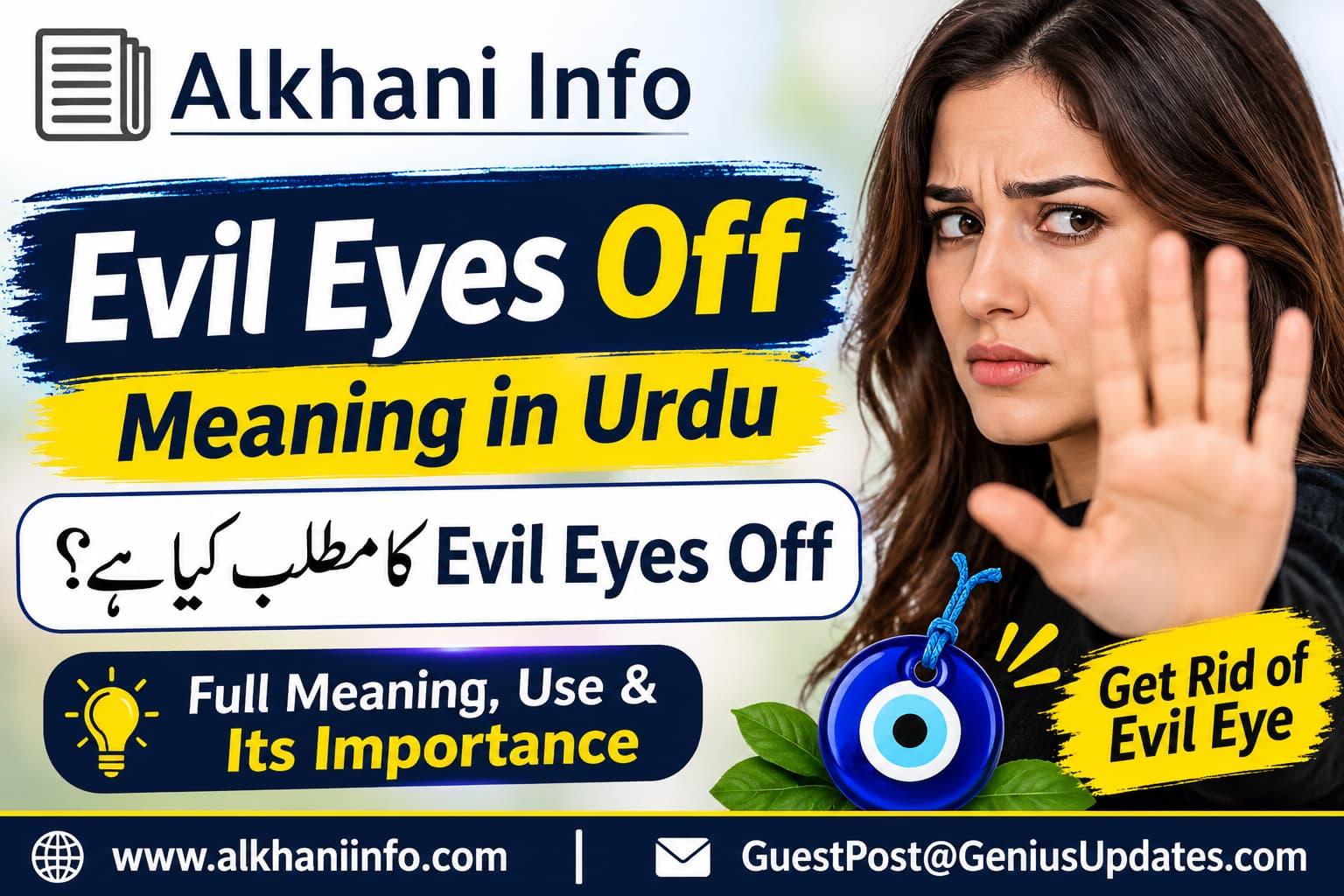
The phrase “evil eyes off” is commonly associated with protection from jealousy, negative attention, and misfortune. Understanding Evil Eyes Off Meaning in Urdu helps readers learn how this expression is used in everyday conversations, social media captions, and cultural traditions. In Urdu, the evil eye is commonly translated as “نظر بد” (Nazar Bad), “بری نظر” (Buri Nazar), or “چشم بد” (Chashm-e-Bad). The expression “evil eyes off” generally conveys the wish to stay protected from an envious or harmful gaze.
What Does Evil Eyes Off Mean in Urdu?
The expression refers to keeping negative attention or the supposed harmful effects of jealousy away from someone. People often use it when appreciating someone's beauty, celebrating success, or sharing happy moments.
Although “evil eyes off” is not a standard English expression, it is frequently used informally to communicate a message similar to “keep the evil eye away” or “protect me from the evil eye.”
Urdu Translation and Pronunciation
Here are some common Urdu expressions associated with the evil eye:
-
نظر بد (Nazar Bad): Evil eye or harmful gaze.
-
بری نظر (Buri Nazar): Bad or envious look.
-
چشم بد (Chashm-e-Bad): Evil eye.
-
نظر نہ لگے (Nazar Na Lage): May no evil eye affect you.
-
چشم بد دور (Chashm-e-Bad Door): May the evil eye stay away.
These expressions are commonly used in South Asian conversations to express good wishes and protection.
Cultural Significance of the Evil Eye
Beliefs in South Asian Communities
In Pakistani and Indian communities, the evil eye is a traditional belief associated with jealousy and excessive admiration. Some people believe that an envious glance can bring difficulties or misfortune to another person.
Understanding Evil Eyes Off Meaning in Urdu also helps explain why people use protective expressions when complimenting children, celebrating achievements, or posting photographs online.
For example, someone might write “MashaAllah, Nazar Na Lage” beneath a photograph of a child or a successful person. This phrase expresses admiration while wishing the person continued happiness and protection.
Use in Social Media and Daily Life
The phrase is also popular in social media captions, Instagram bios, jewellery designs, and decorative accessories. An evil eye symbol is sometimes worn or displayed as a traditional protective emblem.
However, these practices reflect cultural and personal beliefs rather than scientifically established protection against harm.
Conclusion
In conclusion, Evil Eyes Off Meaning in Urdu relates to keeping the evil eye or negative attention away, commonly expressed through phrases such as “نظر بد سے بچاؤ” and “نظر نہ لگے.” Although the English expression is informal, its underlying message is widely understood across South Asian cultures. It represents a traditional wish for happiness, well-being, and protection from jealousy.
 French
 English
 Arabic
 Spanish
 Portuguese
 Deutsch
 Turkish
 Dutch
 Italiano
 Russian
 Romaian
 Portuguese (Brazil)
 Greek