


Emergency Roof Repair in Seattle, WA: Steps to Take When a Roof Is Suddenly Damaged
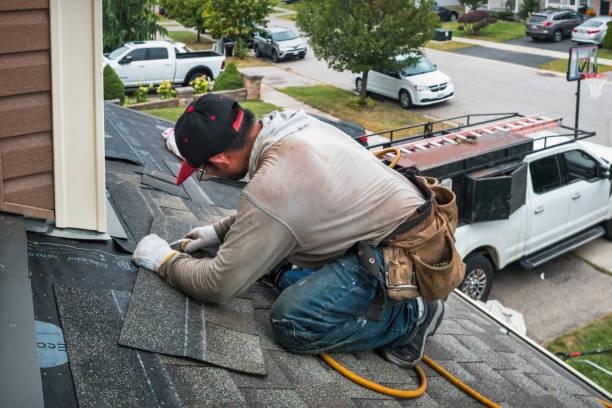
When wind, heavy rain or a falling branch tears into a roof, emergency crews from companies such as Seattle Roof Systems all give the same first advice: safety comes before cleanup. Homeowners should leave any room where the ceiling sags, stay off the roof, and move belongings away from dripping water only when it is safe to do so. Emergency roof repair in Seattle, WA then focuses on two goals, stopping more water from getting in and finding out how far the damage really goes, so a small opening does not turn into a ruined ceiling, wet insulation and soft decking.
Key Takeaways
-
Leave the area if a ceiling sags, part of the roof collapses or water is near electrical fixtures.
-
Catch water indoors, but never climb onto a wet or damaged roof.
-
Photograph the damage from the ground and keep notes for the roofer and the insurer.
-
Ask whether each piece of work is a temporary cover or a permanent repair.
In the First Few Minutes: Protect People
A damaged roof can cause more harm than a leak. Loose shingles, broken branches, exposed nails, falling ceiling pieces and weakened framing can all injure someone below. Children and pets should be kept out of the affected rooms, and nobody should stand under a bulging ceiling.
Water near light fixtures, outlets, appliances or the electrical panel is a separate danger. Homeowners should avoid touching wet equipment, and they should only switch off power at the panel if they can reach it without standing in water. A fire, a major collapse or live electrical danger is a call for emergency services first and a roofer second.
Once everyone is safe, attention can turn to the house. A bulging ceiling should not be punctured by hand, since trapped water can release suddenly and bring down drywall with it.
Within the First Hour: Limit Interior Damage
Buckets, towels and plastic sheeting can protect floors and furniture while water is coming in. Rugs, electronics and paperwork should be moved to a dry room. If water is pooling on a hard floor, a wet vacuum or mop keeps it from spreading under baseboards.
This is also the moment to start a record. Photos should show the roof from the ground, the damaged rooms, ceiling stains, fallen debris and any visible water. A short note with the time of the event and the weather, such as strong wind or a tree limb falling, helps explain the cause later.
Household patches rarely help. Duct tape, caulk or a loose sheet of plastic on a steep, wet roof will not hold, and placing them means climbing where a fall is likely. A professional can decide whether a temporary tarp is safe to install and how it should be fastened.
When the Roofer Arrives: What the Inspection Should Cover
The first professional visit should focus on safety, the leak source and the size of the affected area. A thorough crew checks shingles, underlayment, flashing around vents and chimneys, gutters, roof edges and any tree damage. The attic and the ceiling below need a look too, because water rarely drips straight down from the opening.
Companies that provide emergency roofing in Seattle, WA usually separate the visit into two parts: what can be stabilized right now, and what needs more work once the weather allows. A few missing shingles may only need a short repair. Damaged flashing can let water return around a chimney or vent even after the hole is covered. Wet or weakened decking means a surface cover alone will not solve the problem.
Weather decides the order of work. During steady rain, a crew will often install temporary protection instead of opening large sections of roof. Once the surface dries, the roof can be inspected closely and a permanent plan prepared.
Homeowners can ask the crew for:
-
The source of the leak, not just the spot where water appeared indoors
-
Photos or notes showing damaged flashing, shingles, decking or framing
-
A clear split between emergency protection and permanent repair
-
An estimate of how long the temporary cover is expected to last
Temporary Cover or Permanent Repair?
A tarp or temporary patch is meant to keep water out for days or weeks, not years. The right permanent repair depends on the cause, the size of the area, the roof's age and condition, and the chance of more rain before work can start.
A small repair makes sense when the materials around the opening are still sound. A larger section replacement is more sensible when water has reached the underlayment, deck, insulation or framing. Roof shape matters as well. Valleys, skylights, chimneys, vents and wall joints have more seams where water can enter, so a repair that ignores nearby flashing or blocked drainage can leave the home exposed even after the original hole is closed.
Price matters, but the lowest first number may not address the real source. Homeowners should ask what materials will be used, whether wet materials will be removed rather than covered, and how the repaired area will be checked after the next heavy rain.
Insurance and Documentation
Storm damage is often covered by homeowner policies, but coverage depends on the policy wording, the cause of damage, maintenance history and other facts. A roofer can describe what is visible. The insurer decides what is covered and how payment works.
Photos taken before cleanup, receipts for tarps and emergency labor, and the roofer's notes all support a claim. Damaged materials should be kept until the insurer says what it needs, unless storing them creates a safety risk. Homeowners do not need to let water keep pouring in while waiting for an adjuster. Most policies expect reasonable steps to prevent further damage, so a temporary cover can go on first, with permanent work discussed once a claim is open.
Mistakes That Make Roof Damage Worse
Waiting because the leak stopped when the rain stopped is a common mistake. Water can stay inside insulation and wood for days, leading to stains, odors and rot later. Hiring someone who offers only a quick patch, with no explanation of the cause, is another.
Signing a broad contract before the scope is clear also causes trouble. The written plan should say which areas will be repaired, which materials will be replaced and how hidden damage will be handled. If the scope grows after the roof is opened, the reason and added cost should be explained before work continues. Homeowners who want to understand why fast action matters can read about how early roof damage repair keeps small openings from becoming bigger structural problems.
After the Emergency
Once the roof is stable, the next step is a careful follow-up inspection in dry weather. Homeowners should share their photos, note when the damage happened and ask for a written scope that separates finished temporary work from planned permanent repairs. Keeping the paperwork together makes insurance conversations shorter and helps the next roofer understand the roof's history.
Frequently Asked Questions
Should a Homeowner Climb Onto a Damaged Roof?
No. A wet, steep or broken roof can shift underfoot, and loose materials can slide. Photos from the ground or a window are enough, and roof access should be left to a trained crew with fall protection.
What If Water Is Coming In During a Storm?
Move people and belongings away from the leak, catch water indoors and stay clear of wet electrical fixtures. A roofer may be able to install temporary protection even when a full repair is not yet safe.
Does a Tarp Count as a Roof Repair?
No. A tarp limits extra water entry for a short time. It does not fix damaged shingles, flashing, underlayment or decking, and it should be replaced by a permanent repair as soon as conditions allow.
Should the Insurer Be Called Before Repairs?
The homeowner should report the loss promptly when a claim is likely, but an active leak should not be left untreated. Emergency steps should be documented and receipts kept.
How Can Damage Beyond a Simple Leak Be Spotted?
Warning signs include a sagging ceiling, soft spots in the roof deck, damp insulation, repeated stains and water appearing far from the opening. Only a close inspection shows how far the damage has spread.
Can a Roof Be Repaired in Any Weather?
Some small emergency tasks can be done between showers, but rain, strong wind, lightning and wet surfaces make roof work unsafe and stop materials from sealing well. The crew should explain the safest timing.
How Fast Can a Roofer Respond to an Emergency?
Response time depends on the storm, the number of calls and safe access to the roof. After a widespread windstorm, crews often prioritize homes with water actively entering. Describing the damage clearly when calling, such as an open hole or a sagging ceiling, helps the crew judge urgency.
Is a Temporary Tarp Covered by Insurance?
Many policies cover reasonable steps taken to prevent further damage after a covered loss, and an emergency tarp is often one of them. Keeping the invoice, the before and after photos and the date of the work makes reimbursement easier.
What Should Be Done With Water-Damaged Insulation?
Soaked attic insulation usually needs to be removed and replaced once the roof is sealed. Wet insulation stays damp for a long time, loses its insulating value and can lead to mold or rot in the wood around it.
 Italiano
 English
 Arabic
 French
 Spanish
 Portuguese
 Deutsch
 Turkish
 Dutch
 Russian
 Romaian
 Portuguese (Brazil)
 Greek