


MDF Door Factory Quality Depends on Moisture Management
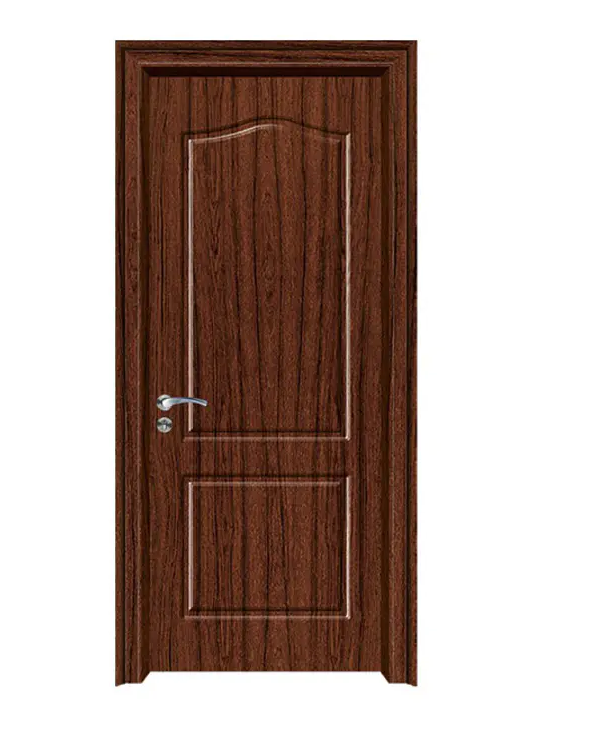
The quality of an MDF door is not determined by its appearance when it leaves the production line. A smooth surface and clean profile are important, but the door also needs to remain stable during storage, transportation and installation. This is why an MDF Door Factory needs to consider moisture as part of the entire manufacturing process rather than treating it as a finishing issue.
MDF is made from wood fibers combined with resin under heat and pressure. Its uniform structure makes it suitable for painted finishes, routed patterns and a range of interior door styles. However, the material can absorb moisture, particularly through exposed edges and machined areas. When water enters the board, the fibers may swell, causing raised surfaces, softened edges or changes in panel dimensions. These effects can be difficult to correct once the door has been painted or assembled.
Storage is one of the first places where moisture conditions matter. MDF boards should be kept flat, supported evenly and raised above the floor. Direct contact with damp surfaces or prolonged exposure to humid air can cause uneven moisture absorption. If boards are already affected before cutting begins, later machining and finishing cannot necessarily restore their original stability. Keeping the storage area dry and allowing materials to adjust to workshop conditions can help create a more consistent starting point.
Machining introduces another consideration. Cutting, drilling and routing expose fresh fiber surfaces that may absorb moisture more readily than the original board face. These areas need suitable sealing before the final finish is applied. The top, bottom and side edges deserve attention even when they will be hidden after installation. A door may look complete from the front while unfinished edges remain vulnerable to moisture entering during use or cleaning.
Finishing conditions also influence the final result. Paint and lacquer need appropriate temperature, humidity and drying time to form an even coating. If the environment changes significantly between coating stages, the finish may develop uneven gloss, poor adhesion or surface defects. Consistent conditions help coatings cure more predictably and reduce differences between individual doors in the same batch.
Transportation adds a separate challenge. Doors may pass through several climate zones before reaching their destination, and temperature changes inside a shipping container can create condensation. Packaging should therefore protect corners and edges while keeping the doors properly supported. Moisture barriers or desiccants may also be considered according to the route, container conditions and expected transit time. Packaging cannot compensate for boards that were already damp before loading, so both production and shipping preparation matter.
For buyers assessing an MDF Door Factory, useful questions go beyond the appearance of a finished sample. They can ask how boards are stored, whether all exposed edges are sealed, how finishing conditions are maintained and what measures are used to protect doors during shipment. These details offer a clearer picture of process control than surface appearance alone.
An MDF door passes through several environments before becoming part of a building. Keeping moisture exposure under control at each stage helps preserve its shape, finish and edge condition. Consistent material handling is therefore not just a factory concern; it is part of delivering a door that remains suitable for its intended interior application.

 English
 Arabic
 French
 Spanish
 Portuguese
 Deutsch
 Dutch
 Italiano
 Russian
 Romaian
 Portuguese (Brazil)
 Greek