


How Custom Orthodontic Appliances Help Dentists Meet Unique Patient Requirements
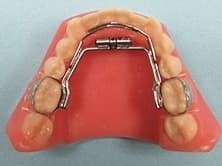
Every dental patient has different oral characteristics, treatment goals, and functional requirements. Differences in tooth alignment, jaw development, bite relationships, and dental history can influence the type of appliance needed. A standard device may not address every clinical situation effectively, making individualized planning an important part of orthodontic care. Custom orthodontic appliances allow dentists to select designs based on patient anatomy and specific treatment objectives. This approach supports more targeted care while considering comfort, function, and the patient's ability to follow treatment instructions.
Addressing Different Dental Conditions
Orthodontic treatment involves more than correcting crowded or misaligned teeth. Some patients require support for developing dental structures, while others need appliances to maintain alignment or protect their teeth. The appropriate design depends on a professional examination, diagnostic records, and the intended treatment outcome. Individualized appliances help address these differences by allowing relevant design features to reflect each patient's circumstances. This flexibility gives dentists options for managing a broader range of orthodontic needs throughout different stages of care.
Supporting Tooth Alignment
Patients with crowded, rotated, or spaced teeth may require appliances designed to support specific stages of alignment treatment. Depending on the diagnosis, a dentist may consider fixed orthodontic appliances, removable devices, or clear appliances. Each option has different functional characteristics and patient responsibilities. Accurate impressions or digital scans help provide the information needed to plan an appropriate design. Regular clinical reviews remain essential because tooth movement must be monitored and treatment decisions adjusted when the patient's progress or oral condition requires attention.
Meeting the Needs of Growing Patients
Children and adolescents experience ongoing changes as primary teeth are replaced and permanent teeth emerge. Their treatment requirements may differ from those of adults because dental development and jaw growth influence appliance selection. Some children may need space maintainers after premature tooth loss, while others may benefit from devices intended to address specific habits or developing bite concerns. Individualized planning helps dentists consider the patient's age, eruption patterns, and oral condition before recommending an appliance that supports the intended clinical objective.
Preserving Space During Dental Development
When a primary tooth is lost earlier than expected, nearby teeth may move toward the empty space. This can reduce the room available for the permanent tooth that will eventually replace it. A space maintainer may be recommended when clinical findings indicate that preserving the opening is necessary. Its design depends on the location of the missing tooth, the condition of neighboring teeth, and the child's stage of development. Regular monitoring helps the dentist determine whether the appliance remains appropriate as permanent teeth begin to erupt.
Improving Appliance Fit and Patient Comfort
A properly designed appliance should reflect the patient's dental anatomy and intended treatment requirements. Poor adaptation, rough edges, or excessive bulk may cause irritation and make regular use difficult. Individualized fabrication allows technicians to follow the contours and design details provided in the clinical records. Suitable materials and careful finishing also contribute to comfort and function. Before an appliance is delivered, the dentist should assess its seating, stability, and overall condition, making any necessary clinical adjustments to support appropriate use.
Considering Lifestyle and Personal Preferences
Patients may have different preferences regarding appliance appearance, removability, and everyday convenience. Some may favor a discreet removable option when clinically suitable, while others may need a fixed design that does not depend on remembering to insert it. Speech, eating habits, school activities, work routines, and personal comfort can influence these discussions. Dentists should explain the benefits and limitations of available options and consider patient preferences alongside clinical requirements. This shared decision-making process can encourage cooperation and help patients understand their responsibilities.
Supporting Retention After Active Treatment
Completing active orthodontic treatment does not mean that teeth will remain in their corrected positions without further care. Teeth can gradually shift as surrounding tissues adapt, making retention an important part of long-term treatment planning. Retainers help maintain alignment and may be designed as removable or fixed retainers, depending on clinical needs. Individualized fabrication allows the retainer to reflect the patient's current dental arrangement. Dentists should provide clear wearing instructions and schedule follow-up assessments to check fit, condition, and continued suitability.
Addressing Functional and Protective Requirements
Some orthodontic appliances are intended to address functional concerns rather than directly move teeth. Habit correction appliances may be recommended when certain behaviors affect dental development or bite relationships. Night guards may be prescribed to help protect teeth from the effects of grinding or clenching. These devices have different purposes, materials, and design considerations. A personalized approach allows dentists to choose appropriate features based on examination findings and patient needs. Clear instructions are important because the correct use and care of each appliance can vary.
The Importance of Accurate Records and Laboratory Collaboration
Successful fabrication begins with reliable patient information. Impressions, intraoral scans, bite records, and detailed prescriptions help technicians understand the dental anatomy and design requirements for each case. Incomplete or distorted records may lead to poor adaptation and unnecessary remakes. Dentists should work with laboratories that review submissions, follow prescriptions carefully, and request clarification when details are missing. Good communication supports an organized process from case submission to delivery, helping the finished appliance reflect the clinician's instructions.
Maintaining Quality Throughout Fabrication
Material selection, production accuracy, and final inspection all contribute to appliance quality. A dependable laboratory should use suitable dental materials and follow consistent procedures for fabrication and finishing. Completed appliances should be reviewed for surface defects, design accuracy, and conformity with the submitted records. If a concern arises, the laboratory should communicate with the practice and provide a clear process for resolving it. These quality measures help dental teams identify potential issues before delivery and support a more consistent patient experience.
Conclusion
Custom appliance design helps dentists respond to differences in dental anatomy, treatment objectives, developmental stages, and patient preferences. Accurate records, suitable materials, careful fabrication, and regular clinical monitoring all contribute to effective appliance care. By working with a dependable laboratory, dental practices can coordinate individualized solutions while maintaining professional oversight of treatment decisions. Ohlendorf Appliance Laboratory supports dental professionals with carefully fabricated orthodontic appliances designed to meet varied clinical requirements and contribute to consistent, patient-centered care.
 Romaian
 English
 Arabic
 French
 Spanish
 Portuguese
 Deutsch
 Turkish
 Dutch
 Italiano
 Russian
 Portuguese (Brazil)
 Greek